With jaws capable of snapping bone like twigs, who actually needs big arms?
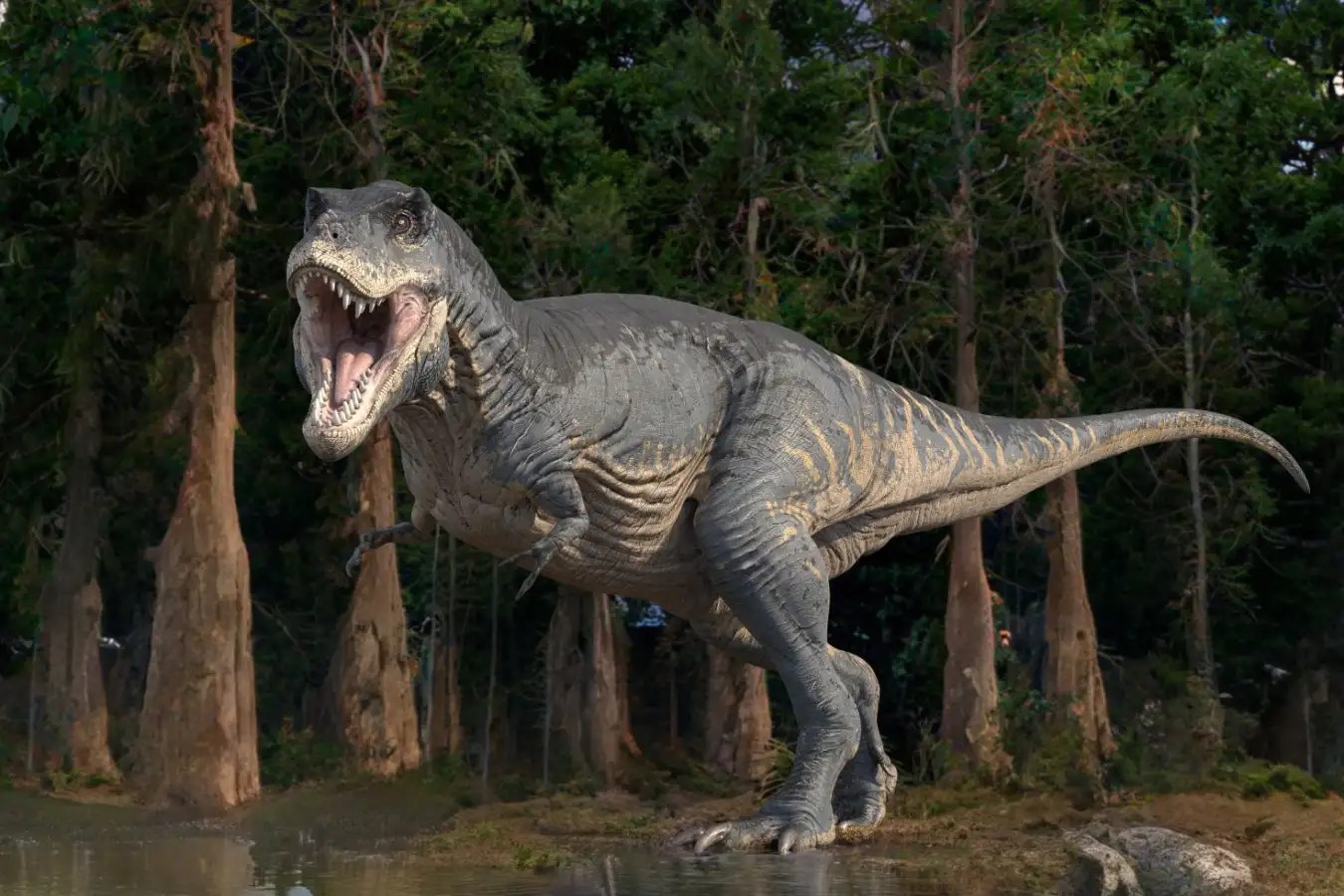
A new study suggests dinosaurs like Tyrannosaurus rex shrunk their forelimbs not because of a genetic glitch, but because their heads became the primary killing machine. When you can bite down with enough force to crush steel, grappling hands are redundant. Five separate lineages of theropods made this exact evolutionary calculation, independently, across different continents and millions of years apart.
We’ve long known the trend. Large predators got bigger. Their skulls grew massive. Their arms got tiny.
Charlie Scherer at University College London notes the puzzle. We knew the pattern. We didn’t know why it repeated so consistently across scattered families. Nor did we understand how the skull bones shifted structurally as the limbs diminished.
André Rowe at the University of Bristol calls it a major evolutionary question for theropods.
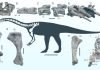
Scherer and his team looked at the numbers. They analyzed 85 species, measuring everything from forelimb length to body mass. Then they calculated a specific ratio. How small was the arm relative to the head?
“If it’s a predatory therobod and has a very robust skull… it will most likely have relatively small limbs.”
The math didn’t lie. Skull durability directly correlated with arm size reduction. It didn’t matter where the dinosaur sat on the family tree. A sturdy head meant short arms.
This head-arms trade-off happened five times.
Tyrannosaurids did it. Short-snouted Abelisaurids did it. Knife-toothed Carcharodontosaurids followed suit. Ceratosaurids joined the club. So did megalosaurids. Fion Waisum Ma from the Beipiao Pterosaur notes this study was the first to highlight the trend in ceratosaurids and megasaurids. Quantifying traits reveals hidden signals.
So why the shrinkage?
Prey got bigger. Harder to control. The dinosaurs evolved massive, sturdy skulls to subdue them. The head did the work. Arms were no longer necessary for grappling.
“Nature doesn’t like having it all at once,” Scherer says. Maintaining both a heavy, powerful jaw apparatus and strong forelimbs is expensive. Biologically speaking, energy is finite.
Other giants made the opposite choice. Spinosaurs. Megaraptors. They kept long arms. They paid the price with slender, less powerful skulls. A trade-off between teeth and claws.
Does this mean those tiny arms were useless?
André Rowe doubts it. Just because an organ is small doesn’t mean it’s inactive. The mechanics likely remain interesting even in a reduced form. The study highlights how wildly diverse dinosaur evolution actually was.
Innovative. Successful. Unpredictable.
Get Out of Town
Tired of the office? There is a fossil frontier waiting.
Eastern Australia was once a shallow sea. Now it is a hotspot for ancient remains. You can travel there. Spend thirteen days in the outback. Trace the footsteps of prehistory.
It is not for everyone. It is rugged. It is real.
Want in? Sign up below.
- 13 days of adventure
- Deep outback access
- Hands-on fossil discovery