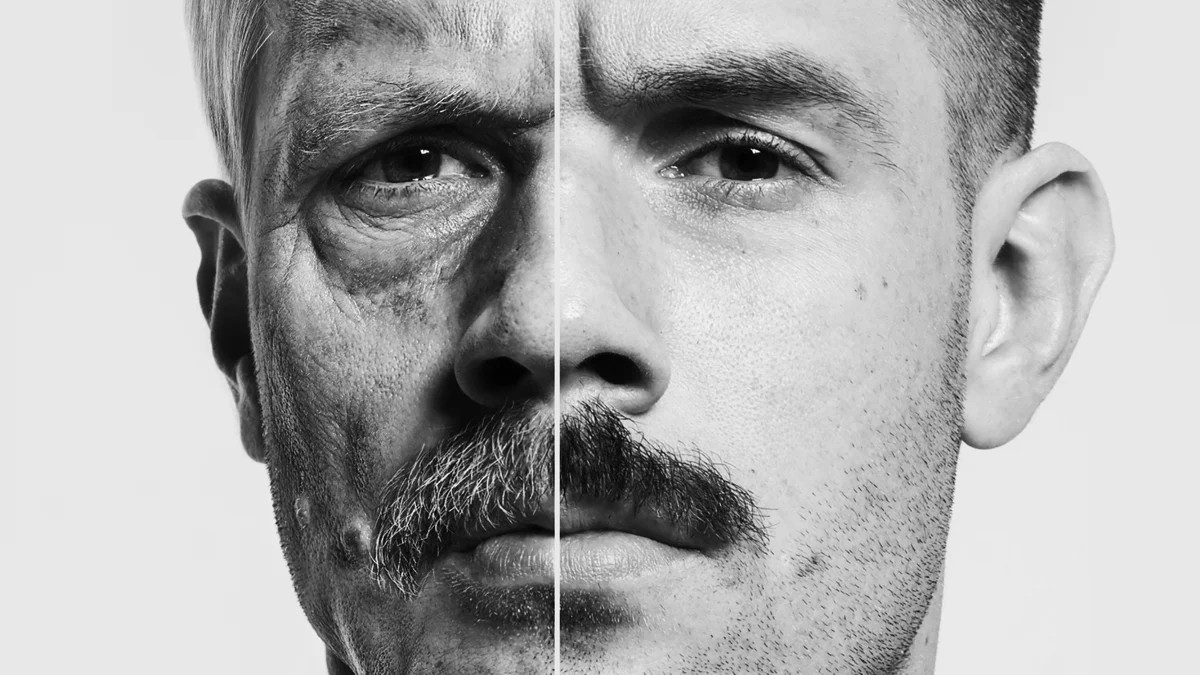
Chronological age is just a number.
Biological age?
That is the rot.
New data from Johns Hopkins suggests your daily grind might actually hit the brakes on it. Steady rhythms. Regular sleep. Consistent movement.
It appears these simple habits could slow down the wear and tear on your cells.
Not that anyone is surprised, exactly.
We already know older folks tend to sleep earlier.
We know routines fray as we get older.
Now we suspect that fraying isn’t just a side effect. It might be part of the cause.
The Data
Adam Spira, a psychopathologist at Johns Hopkins, put it plainly.
“Our findings suggest rest-activity rhythms may serve as markers of the pace of physiological aging.”
The team tracked 207 seniors.
One week of data.
They monitored movement, light exposure, sleep quality.
Then they cross-referenced those patterns against epigenetic clocks. These clocks measure biological age by looking at chemical marks on your DNA—essentially counting the cracks in the foundation.
The results?
Predictable lives showed slower aging.
Chaotic schedules. Fragmented rest. Constant switching between motion and stillness.
Those patterns correlated with faster biological decay.
Women showed this link more strongly. So did white participants.
Age and health issues were controlled for, of course. But the signal remained clear enough.
A Snapshot in Time
Here is the catch.
It’s a cross-section. Not a journey.
The researchers didn’t follow these people for years to see if sticking to the routine kept them alive or if surviving just allowed them to stick to routines. It is a correlation, not necessarily causation.
Yet it is compelling.
Geneticist Brion Maher noted they likely underestimated the problem.
Their subjects were survivors.
They were healthy enough to sign up for the study.
They excluded the people who aged so rapidly they couldn’t show up.
The real world is messier than the lab sample.
Doesn’t that sound familiar? 🕰️
Sync or Sink
This isn’t isolated news.
Other studies have tied disrupted rhythms to brain shrinkage. Inflammation.
Your body runs on a 24-hour code. Circadian rhythms tell your cells when to repair and when to build.
Ignore them.
Like night-shift workers often must.
Risk spikes.
Follow them?
It seems safer.
The body prefers order.
It prefers to know what comes next.
So what next?
We need longitudinal data. Long-term tracking.
Does a messy schedule cause aging? Or does aging make schedules messy?
Dr. Liu puts the onus on future studies.
“We definitely need to determine whether weakening rest-activity rhythms comes before the acceleration of aging, or vice-versa.”
Until then we wait.
And sleep.