We put so much stock in new Alzheimer’s treatments. We wanted them to work. Mostly they didn’t.
Or at least not in the way we thought they would.
A recent autopsy gives us a clue why. It turns out the medicine might just not get where it needs to go.
The “Goldilocks” Brain
A case study in JAMA looked at a patient who received aducanumab for 4.5 years. That’s 30 doses. A long time.
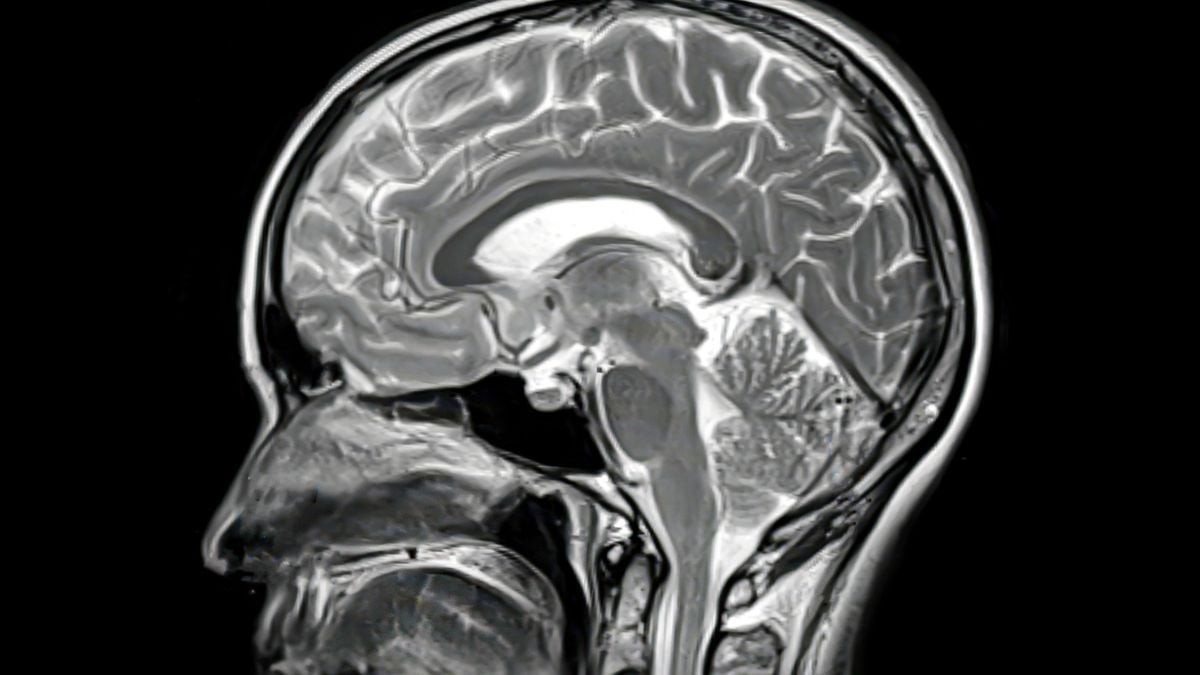
When he died, his next of kin donated his brain. Scientists got to compare it to scans from when he was alive. And they found something weird.
The drug cleared amyloid plaques from some parts of his brain. Not all. Just… some.
It was a Goldilocks situation.
Edward Lee from the University of Pennsylvania called it unique. Usually reports show total clearance or none. This? Split decision.
“This allowed us to directly compare what happened,” Lee says. “Neighboring regions. Different outcomes.”
Here’s the kicker: in the parts of the brain where amyloid was gone, tau tangles were also lower. And the brain tissue shrank less.
So the drug wasn’t failing completely. It was failing locally.
“The findings provide some of the clearest… evidence… that anti-amyloid therapies may… slow the brain changes.” — David Wolk, neurologist
It looks like removing amyloid might stop tau from piling up. Which stops the damage. At least in those specific spots.
Why the Drug Didn’t Go Deep Enough
But why didn’t it clean the whole house?
The autopsy showed that while superficial layers were cleaner, deep cortical layers were still littered with plaques.
It seems aducanumab just couldn’t penetrate far enough.
This drug had a rough ride. The FDA accelerated its approval in 2021 based on shaky early data. A controversial move. By 2024? Biogen killed production. They reprioritized. The results in humans were too messy, too unclear.
But this autopsy suggests the chemistry worked, just not everywhere.
Christopher Brown, lead author on the study, thinks amyloid is still worth targeting. It shows up years before symptoms. Maybe early hits prevent late disasters.
“Removing amyloid early may help,” he argues.
But others aren’t buying it.
The Amyloid Rut
Some scientists think we’ve hit a wall.
What if amyloid isn’t the villain? What if it’s a symptom? Like a fever fighting an infection, not the disease itself?
There’s growing chatter that tau tangles might even be protective. That clearing them out could actually make things worse.
If the plaque is a side effect, pulling it out fixes nothing. It might even break what little is working.
Stanford’s Mike Greicius said it in 2024:
“We’re seeing patients… getting plaque pulled out but without any real memory… or cognitive benefit.”
He called it a rut. A bad habit in medicine.
And a big review this April backed him up. Seventeen trials. 20,00 people.
No meaningful effect on mild cognitive impairment or mild dementia.
None.
So what now?
Are we barking up the dead end?
We don’t know. But we know a little more than yesterday. We know drugs like aducanumab have reach issues. We know the brain is a labyrinth.
And we know the answers aren’t in the mouse models. They’re in these rare, quiet autopsies. In the donated tissue of the dead.
It’s messy science. Slow. Hard to sell.
But someone’s looking.