Back in 1776 there were only six.
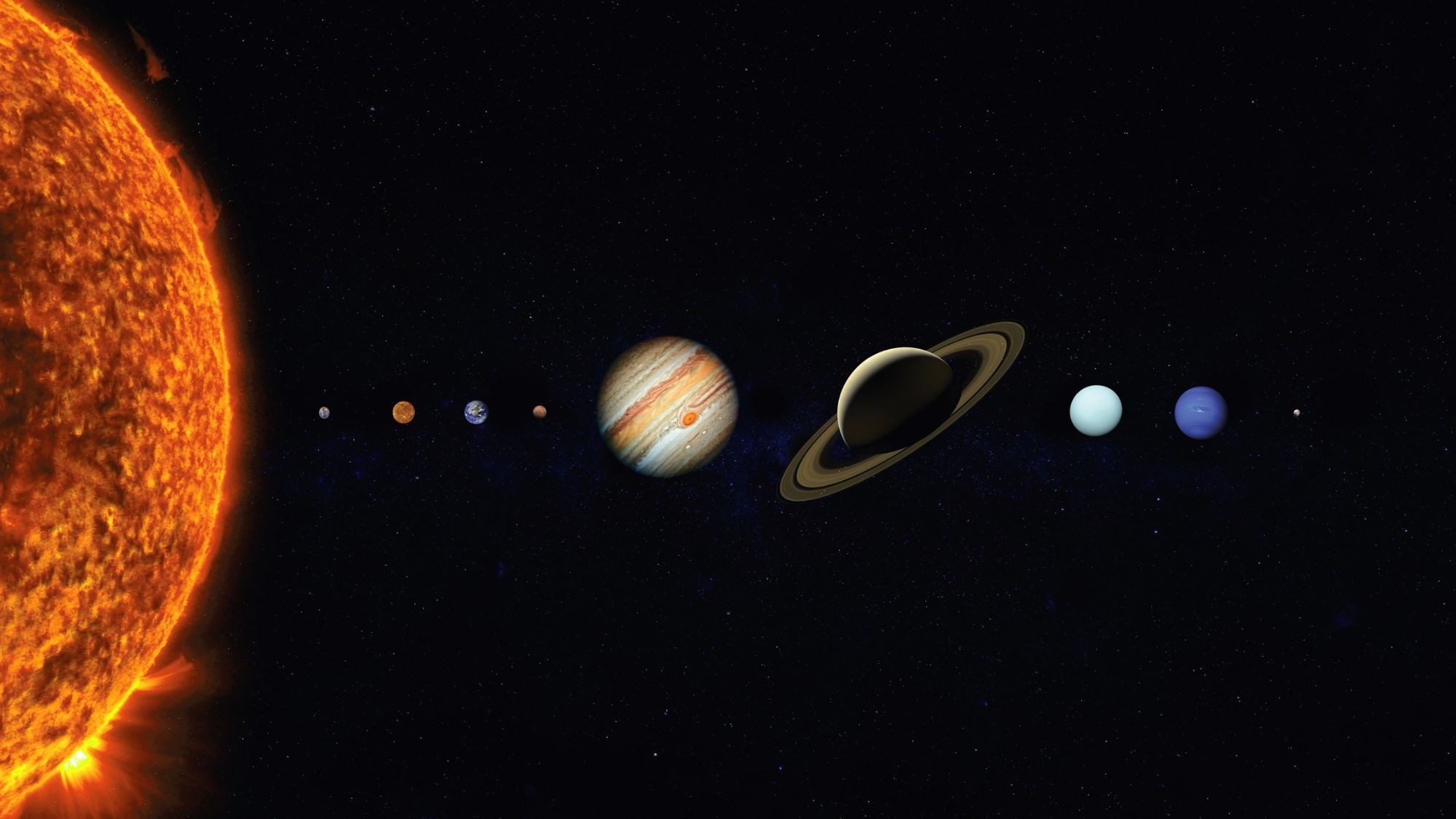
Today there are eight. Or nine if you’re feeling nostalgic. Or eleven, if you really go digging. The number shifts depending on what astronomers know and how they decide to label a rock in space. It is a messy tally. A fitting mirror for human understanding of the cosmos since the US declared its independence.
“The change in the number of recognized planetswell represents how science is done,” says Kevin Schindler, a historian at Lowell Observatory. He’s right. Discover something. Study it. Reclassify it when the data demands it.
When Thomas Jefferson signed those papers the sky held Mercury Venus Earth Mars Jupiter Saturn. Simple enough. Then in 1781 William Herschel found Uranus. Sudden seven. Five years later the count ticked up to seven for real.
Then came Ceres in 1801.
It orbited between Mars and Jupiter. Scientists thought ah another planet. They found three more like it soon after. Suddenly the tally hit 11. But as the finds piled up it became obvious these weren’t planets. They were asteroids. The crowd thinned. Back down to seven.
Neptune arrived in 1846 pushing the number to eight. Pluto joined the club in 1930 via Clyde Tombaugh at Lowell Observatory. Nine it stayed for most of the 20th century. A solid stable number. We printed it on posters. We taught it to kids.
Then the probes came.
Starting in the 1950s spacecraft got close enough to show that worlds aren’t just balls of rock and gas. They’re dynamic. Wild. More importantly in the early 1990 we started finding tons of icy stuff out past Neptune. Trans-Neptunian_objects_
Pluto was the first one found but it wasn’t unique.
Kyler Kuehn director of science and ops at Lowell put it plainly in an email. If millions of similar objects clutter the outer system why is Pluto special? He shouldn’t be.
So Pluto got dragged into the Kuiper_Belt_ context. No longer a lonely outlier just one member of a crowded family. That changes everything.
“It doesn’t fit into the relatively tidy structure… believed in 1776.” Schindler says it again. The solar system isn’t tidy. It’s chaotic. It’s messy. And finding new zones of bodies would have shocked the founders who relied on reason and observation but probably imagined a calmer sky.
In 2006 the International Astronomical Union drew a line. To be a planet you must orbit the Sun be roundish and clear your neighborhood. Pluto orbits. It is round. It does not clear its neighborhood. So down it went. Rebranded a dwarf planet.
Eight planets now.
But people don’t let go.
Schindler notes the fight splits on two lines. The dynamical crowd wants bodies to dominate their orbit. The geophysical crowd wants physical traits to matter. Pluto’s got mountains and glaciers. New Horizons proved it in 2015. That photo sparked renewed debate.
Jared Isaacman NASA’s boss thinks Pluto should be back in the big leagues.
“Arguing about the technical definition… doesn’t change anything about the dwarf planet itself,” Kuehn points out. Yet classification dictates what questions we ask. Definitions change. They will change again.
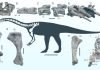
Think about Brontosaurus. It was Apatosaurus for a while then Brontosaurus again as data improved. Labels are temporary. Science moves forward by adjusting the lens not by clinging to old names.
So does it end at eight?
Probably not.
“We have barely scratched the surface.”
Two and a half centuries ago six was the max. Today we argue about nine or eight or more. The edges of our solar system are still dark. Waiting.