It’s in space now.
The first commercially built, nuclear-powered satellite rode a Falcon 9 to orbit this morning. July 7.
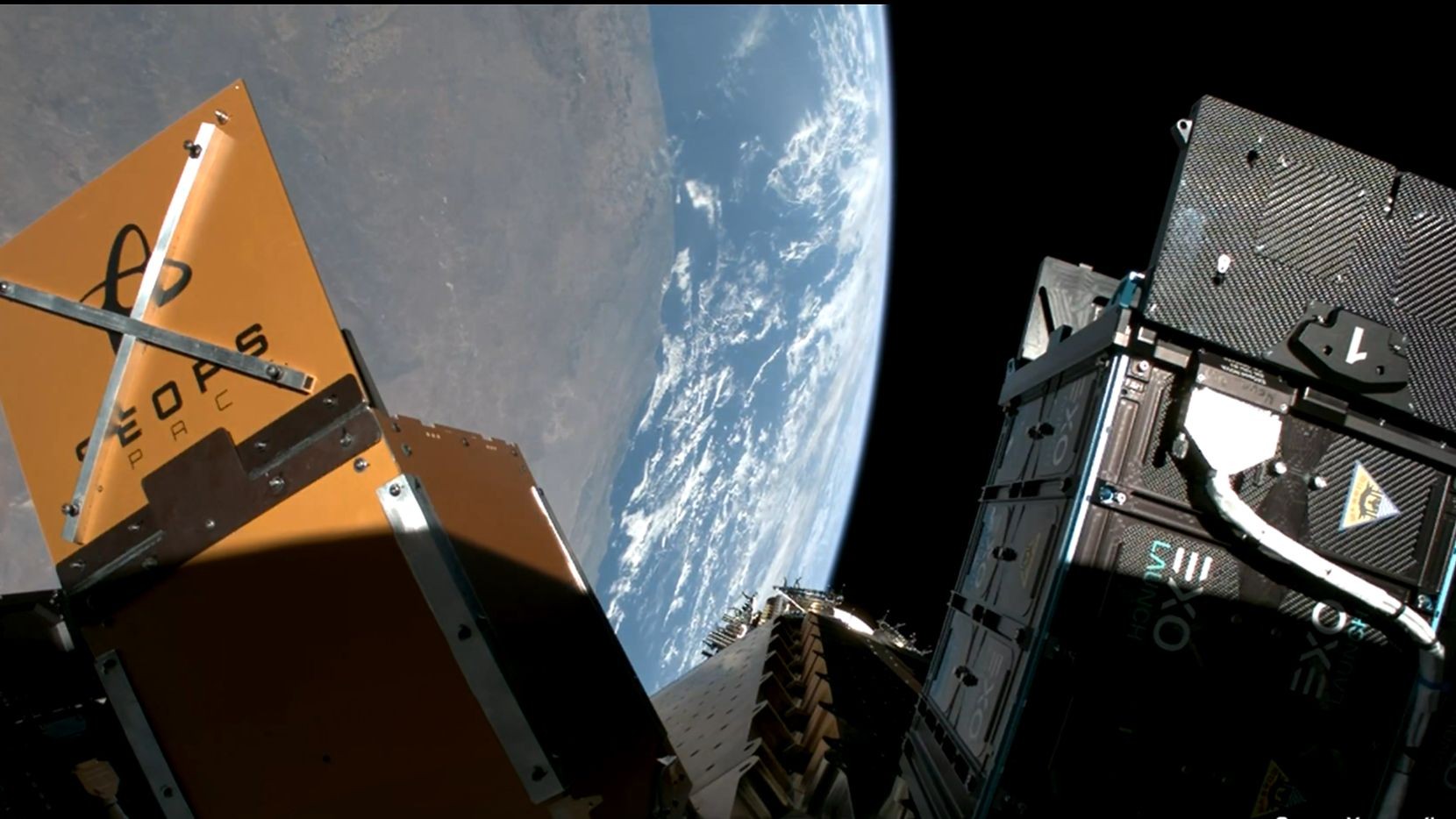
City Labs, a Florida firm, constructed the cube-sized BOHR (Betavoltaic Orbiting High-Reliability) demo. It launched as part of Transporter-17. SpaceX packed 81 payloads onto that rocket, launching from Vandenberg Space Force Base. About fifty minutes after lift-off, the satellites dispersed into their assigned orbits. BOHR made the trip.
What is BOHR actually testing?
The NanoTritium device. It’s a betavoltaic micropower generator. Unlike the massive radioisotope generators on NASA’s Voyager probes that harvest heat from decaying plutonium, this tiny machine captures beta particles. These particles come from decaying tritium. A semiconductor converts that decay directly into electricity. No heat engines required. Just physics doing the work.
Peter Cabauy, City Labs CEO, called it a “historic step.”
“BOHR demonstrates that safe, compact and regulatory-approved nuclear power systems ready for routine commercial deployment”
Fair enough.
Here is the catch. The tritium isn’t powering the whole sat right now. Solar panels still keep BOHR’s general systems alive. This is a pathfinder mission. The goal? To prove continuous power without the sun is viable. Solar is great. Until you aren’t near it. Like in the permanent shadows of the Moon’s poles. Or deep in the shadows of Mars.
Those shadowed craters are the prize. Specifically, the lunar south pole. NASA wants to dig there. Water ice lives in those dark pockets. It’s a resource for long-term habitat support. That is why Artemis is heading that way. NASA is already funding reactor tech to keep those habitats lit. City Labs is stepping into that gap.
Can a tiny tritium cell power a moon base?
Not yet. BOHR generates almost nothing by base standards. But City Labs believes the technology can scale. If they can make bigger versions, you could power things in places solar can never reach.
One advantage of tritium is the radiation profile. It emits very little.
“Engineered for safe handling, transportation and integration within standard commercial launch,” the company claimed. Safe enough for a rideshare slot next to non-nuclear payloads. That matters.
This isn’t just a commercial flex. The Pentagon funded BOHR. It operates under a DoD contract. And it cleared the first hurdle of a new regulatory path. The FAA greenlit this launch under NSPM-20. A 2019 Trump memorandum. It was the first nuclear mission allowed under those specific rules.
DoD likes nuclear options. Private spaceflight is getting interested too. If BOHR proves itself, the barrier for safe, compact nuclear power in commercial space just got lower.
Which means more missions in the dark are possible. Maybe soon.