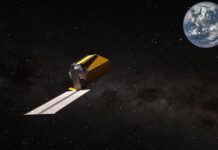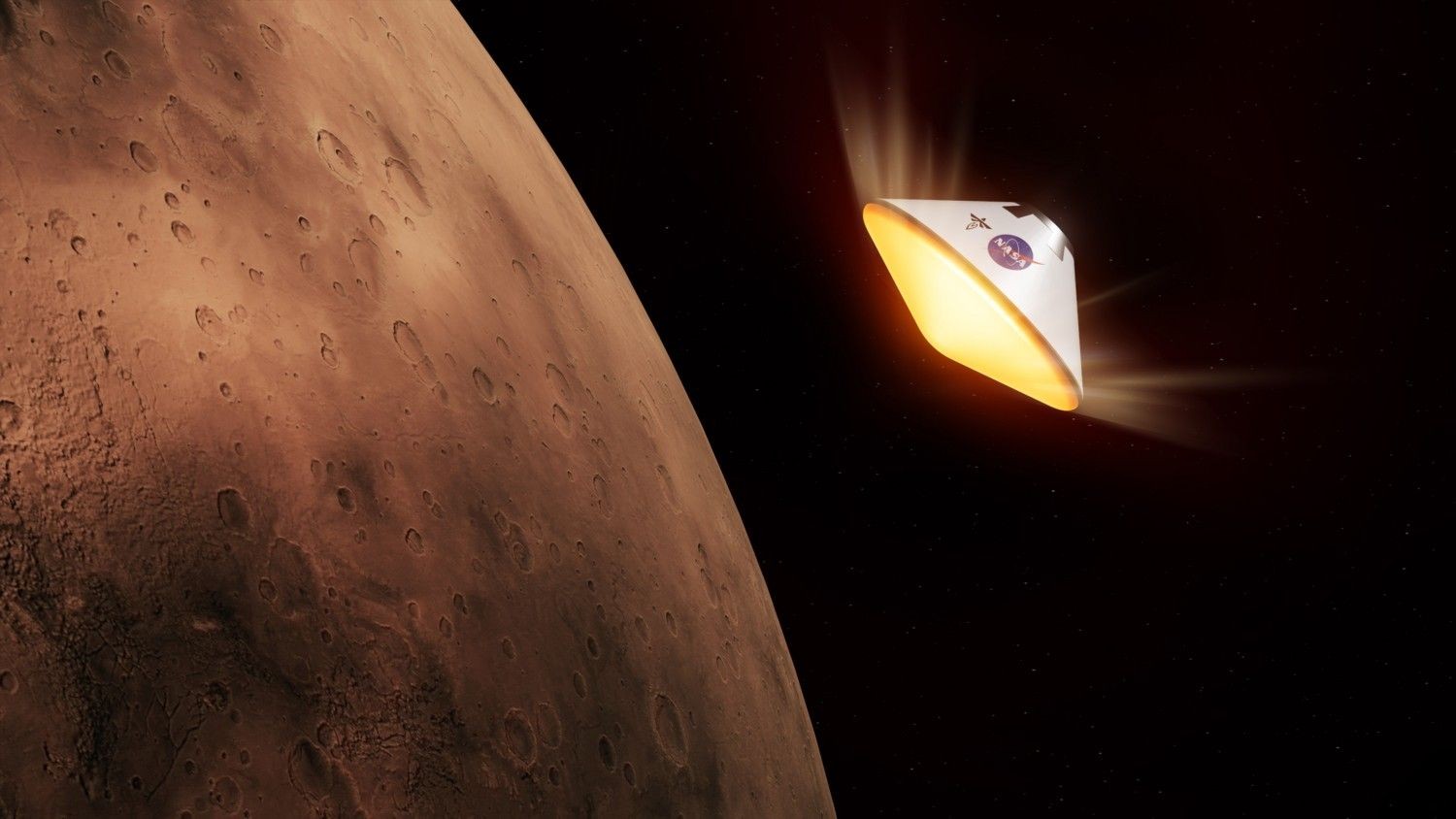
NASA’s picking a shell for Mars. Specifically, for its nuclear-powered probe called Skyfall. They’ve chosen Firefly Aerospace to build it. A protective aeroshell, shielding the descent stage while it tears through the thin Martian atmosphere. The launch window? 2028. Three helicopters included, clones of that stubborn little Ingenuity drone we loved so much on Perseverance’s trip.
JPL manages the whole messy endeavor out of California. Just handed Firefly a $13 million subcontracts check for the part. It’s going to be Firefly’s first gig in their new Texas spot, Gloworks. They’re bringing heat. The engineering brain trust from the Blue Ghost lunar lander, plus lessons from Alpha and Eclipse rockets.
“We’ve proved our ability to execute,” said Ray Allensworth, the company’s spacecraft VP. He talks about cost, about speed, about executing off-Earth for a fraction of the old timeline. Blue Ghost actually did land, back in March 2025. Second commercial lander to pull a soft touchdown. Mars is harder.
But not landing harder. Just different.
Firefly is building the heatshield. The backshell. It handles the thermal punishment of atmospheric entry. It steers the capsule out of the void. Accuracy matters here. Precision. Firefly isn’t worried about keeping the thing from cratering.
Why? Because nobody lands.
Instead of delivering its helicopter trio, Skyfall releases them mid-descent.
They drop the three birds mid-fall. They spin up. They fly. Immediate departure from the capsule into the rust-colored sky. NASA calls it the Skyfall Maneuver. Sounds like a James Bond plot.
The goal is mapping. Scouting for water ice. Data collection for humans who might visit later. Maybe. Firefly finishes the aeroshell at Gloworks then ships the goods to Briggs, Texas. Rocket Ranch. They build there. They test there. Then JPL puts the puzzle pieces together.