Some extinctions are tragedies. Others? Honestly, a relief. I’d take a world without malaria-carrying mosquitoes in a heartbeat. We have the tech now to make it happen. Gene drives. Little genetic hijackers that ride through populations, overriding natural selection to spread their payload.
The mosquitoes might wait, though.
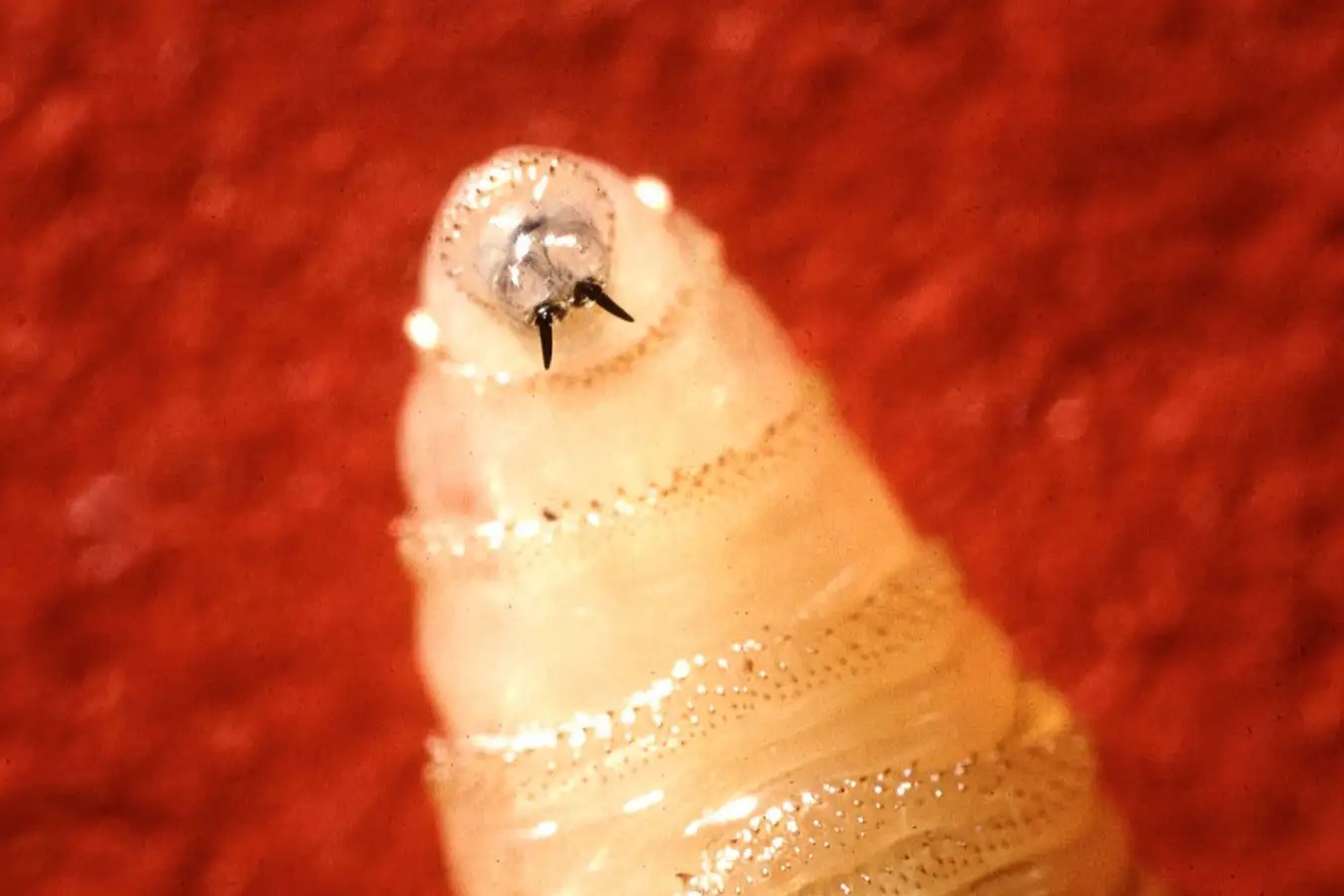
Kevin Esvelt at MIT thinks the New World screwworm (Cochliomyia hominivors ) will go first.
“That nasty bot fly… is even more hated than malaria mosquitoes.”
Why the hate? Imagine laying eggs in open wounds. Mammals. Birds. When the larvae hatch they burrow into living flesh and start eating. As the wound grows more eggs get laid. It is brutal. Livestock farmers hate them. Anyone with flesh on their body hates them more.
Screwworms used to cover the Americas. In the 1960 we wiped them from North and Central America using the sterile insect technique. Radiation. It makes males sterile. Females mate once. Dead end for the lineage. South America? Still fighting the war. The method costs a fortune. Radiation facilities aren’t cheap.
Gene drives change the math.
How It Spreads
Normal genetics are fair. A gene from one parent goes to half the offspring. If that gene is bad the lineage dies out.
Gene drives cheat. They copy-paste themselves. CRISPR helps. If an animal with a drive mates with one that doesn’t, all offspring inherit the drive. Even if the trait is deadly the gene spreads like wildfire.
Esvelt’s design targets fertility. One parent carries it? Offspring are fine. Both parents carry it? Infertile babies. Population crash.
It self-propagates. You don’t need billions of flies released across a continent. It works.
The Malaria Problem
Why not start with mosquitoes?
Fear. Irrational but potent fear. The anti-GM sentiment that birthed in Europe has infected Africa. In Burkina Faso police raided a gene-drive malaria project last year. Shutdown. The public equates genetic engineering with immorality or apocalypse.
It’s a hammer. You can build a house or hit someone with it.
“It’s what we do with it that matters.”
Nature already does this. Gene drives exist in the wild. We are likely walking around with fragments of ancient drives. Nature usually stops runaway drives because resistance evolves. Boring? Yes. Safe? Mostly.
Esvelt says resistance is inevitable but solvable. Build multiple drive versions. Stack them.
Africa remains hostile to this approach. The Americas? We eat GM corn and soy. We tolerate biotech. And we loathe screwworms. The cultural path of least resistance points south.
The Race Begins
Projects are underway. Two, specifically. One at Uruguay’s INIA. The other via DARPA’s GUARDIAN program. Transparency? Thin. Alejo Menchaca didn’t return calls. DARPA gave nothing useful.
Colossal Biosciences wants in. The de-extinction folks. They proposed a drive.
“Colossal has no experience… with insects… in any way shape or form.”
Esvelt is blunt. They’re starting from scratch. Meanwhile, working drives in mosquitoes are real. Screwworm drives? Just effort away.
Ecologists worry about ripple effects. Removing a species hurts the food web. Maybe. Maybe not.
We have already wiped megafauna. Paved continents. Boiled the oceans. But eradicating an invasive parasite is too risky? That logic feels weak.
We wiped screwworms from North America. Nothing catastrophic happened to the ecosystem. No void opened. Nothing.
We can even freeze the worms. Cryobanks. If disaster strikes we thaw them. It is an off switch.
Waiting for Impact
So here we are. On the precipice.
Gene drives might erase the screwworm from the Americas soon. It is a test run. A proof of concept for species removal.
If it works, what’s next? Malaria mosquitoes? Dengue? Pests that devour crops?
The tech is ready. The political will is shifting. The flies don’t know they’re doomed.
Who will pull the trigger first?