They shouldn’t. That’s the whole point of the chemical.
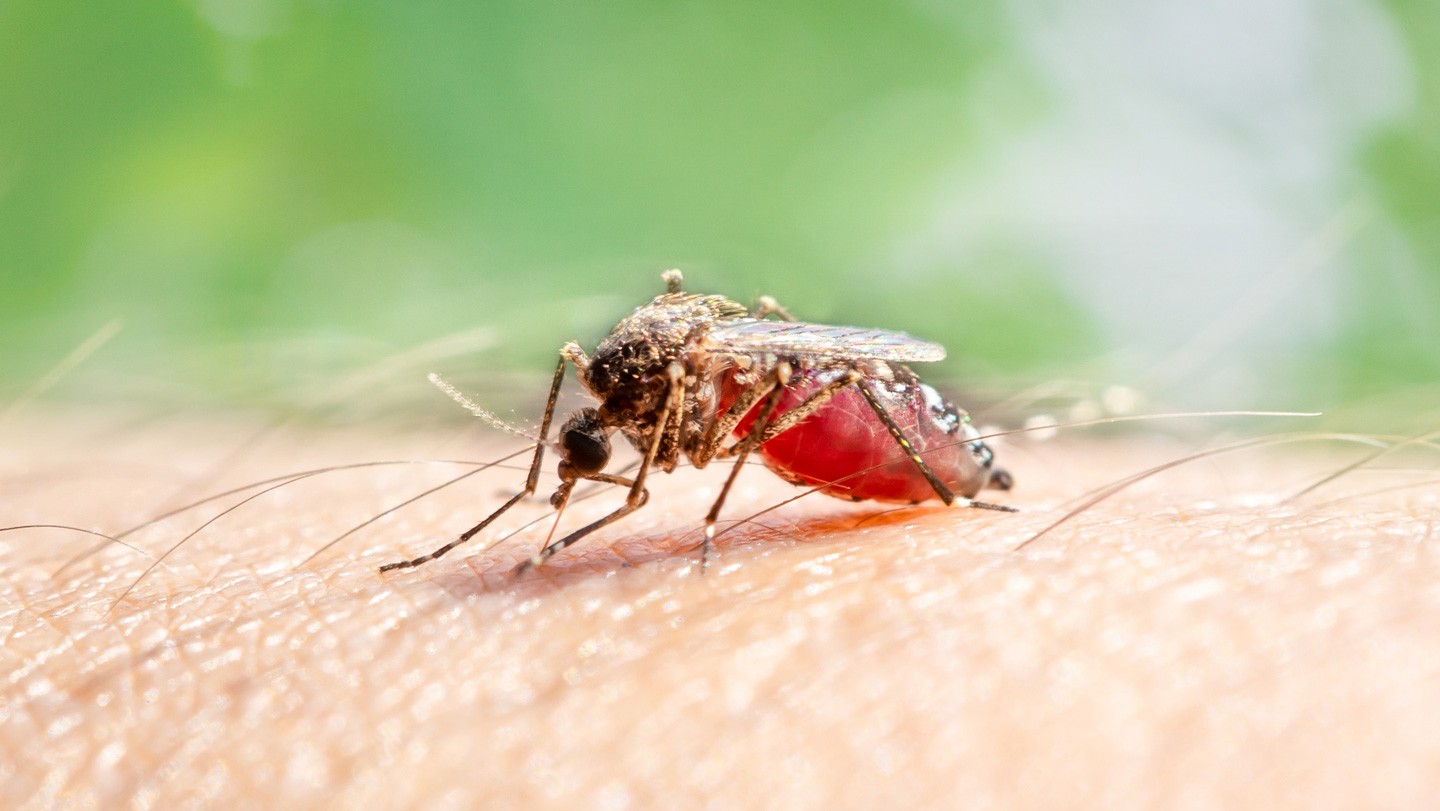
We slather DEET on our arms to send Aedes aegypti packing. It’s supposed to deter them. A simple barrier between human skin and a potential vector for dengue fever, yellow fever, or West Nile disease. The gold standard for repellency. But what if that shield has a hole in it? A hole created by the mosquito’s own brain?
Scientists are looking into the biology behind a weird twist. The idea is simple but annoying. Mosquitoes might actually learn to like the smell of their own poison. Or at least stop hating it enough to keep biting us.
Let’s look at how behavior works. An insect — that arthropod with six segmented legs and three main body parts, head, thorax, abdomen — acts based on instincts and experience. Chemical signals guide them. A substance formed by atoms bonding in a fixed concentration, like H2O where two hydrogens hug one oxygen, usually screams “stay away” or “come closer.”
If you change the context of a smell, you can change the behavior it triggers.
Here is where it gets sticky.
In lab flasks — those glass containers with narrow necks used for sterile chemical and biological experiments — researchers paired the scent of diethyltoluamide (that’s the long name for DEET) with a reward. In animal behavior, a reward is usually food. A tasty pellet. Something positive. If the mosquito smells the repellent and gets sugar, it links the two. A link between the smell of safety (or hunger) and the chemical we use to push them off.
The brain changes. It’s not just neuroscience ; it’s survival. Or maybe just laziness. Evolution favors efficiency. Why fly away from the host if the bad smell now equals a meal?
So you spray. They smell the unique signature of N,N-diethyl-m-toluamide. Instead of diving, they linger. Then they bite.
Why?
Because we taught them, even if we didn’t mean to. The repellent isn’t failing because the concentration is wrong. It fails because the behavior shifts. The mosquito isn’t immune to the chemical burn; it’s immune to the aversion.
It’s not a comprehensive solution to fix. We just spray more, and they adapt.
The cycle continues. 🦟