How #psychedelic rock redefined music and culture in the 1960s
It started with a voice that sounded like melting. Psychedelic rock is more than just a genre. It was a cultural explosion in the late 1960s fueled by hallucinogens like LSD and marijuana. The music reflects the drug-induced state through feedback, electronics and heart-pounding volume.
The style was born in 1966 and became the soundtrack to the hippie movement’s broader exploration of consciousness. The story begins on the west coast of America. The Grateful Dead served as the house band for Ken Kesey’s acid test “The Happening”. Psychedelia originated in the San Francisco Bay Area, spread throughout the United States, and then spread to Europe. By the end of the decade, it had become a mainstream rock phenomenon.
VOA: Madness and Nihilism
The west coast offers different landscapes. These include Love, The Charlatans, The Doors and Jefferson Airplane. Grace Slick’s memorable vocals define Airplane’s sound. In 1967, “Somebody to Love” and “White Rabbit” were Top 10 hits. These songs perfectly capture the energy of the era.
Not all American psychedelic rock is fun. The 13th Floor Elevators in Austin, Texas offers something darker. They describe the spiritual fervor of acid rock. Their sound is based on overdriven guitars, amplified feedback and buzzing themes from Eastern music. Frontman Roky Erickson is a brilliant but strong-willed genius. He was later hospitalized for mental illness. The group released four wild albums of quirky blues music before folding in 1969.
The atmosphere is different on the east coast. The Velvet Underground represented the nihilistic, cool version of the genre. They embraced the psychedelic sound technique, but distanced themselves from the “flower power” culture.
Veteran bands get weird
Major celebrity entertainers will not be affected by this change. The Beatles were pioneers in this field. Albums like Revolver (1966), Sgt. Pepper’s Lonely Hearts Club Band (1967) and Magical Mystery Tour (1967) introduced experimental elements to mainstream audiences. The Beach Boys released Pet Sounds in 1966, a rich, haunting and boundary-breaking record. In 1966, the Yardbirds wrote “Shapes of Things”.
The Rolling Stones tried to enter the scene in Their Satanic Majesties Request (1967). It didn’t do as well as their previous work. At the same time, bands like the Byrds were creating more commercial versions of the original psychedelic music. They built a bridge between underground experiments and radio hits.
British eccentricity and Surrealism
The British psychedelic pioneers created a different atmosphere. Their music is full of whimsy and surrealism. It is less aggressive and more minimalistic than the American sound. This style combines improvisation and sound experimentation, resulting in longer songs. It is a fusion of beat poetry, modern jazz and oriental instruments like the sitar.
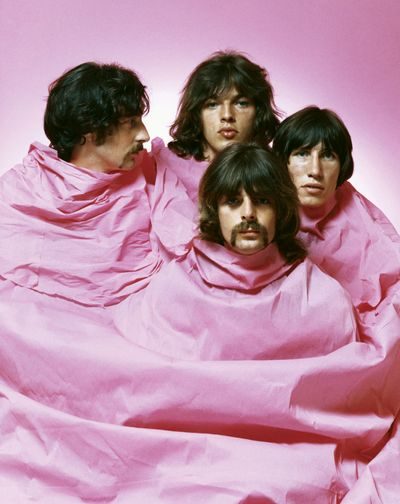
Pink Floyd started the trend in Britain. This culture surrounds places like London’s UFO Club and Middle Earth. Alexandra Palace’s 14-hour Technicolor dream attracted counterculture icons such as John Lennon, Yoko Ono and Andy Warhol. Pink Floyd’s early frontman and songwriter Syd Barrett directed the band. He continued the musical research ethic of acid rock with his first album, The Piper at the Gates of Dawn (1967). This record is rich, hypnotic and groundbreaking. Tragically, Barrett’s visionary mind later descended into schizophrenia.
A lasting legacy
Other great British artists developed from the underground “freak” scene. Soft Machine is avant-garde. The Crazy World of Arthur Brown is an opera. Tomorrow, Nice and the political anarchists also participated.
Few psychedelic bands last longer than one or two albums. However, the impact of this type is huge. It revolutionized fashion, poster art and live performances. Its influence spread to many fields.
Heavy metal is born from that force. Art rock bands like Emerson, Lake and Palmer all evolved from psychedelic bands like the Nice. Krautrock has its roots in experimental German bands such as Can, Neu! and Tangerine Dream. Parliament Funk together with Jimi Hendrix bridged the gap between black funk and psychedelic music.
The sound did not disappear. It has echoes of punk, rap and trip-hop. 1990s trip-hop, a mix of hip-hop and modern psychedelic elements. The legacy of that era is still woven into the DNA of modern music.
Genre doesn’t just change the way music is heard. It changes the way people experience reality.
You can still hear its echoes today. The question is whether we are ready for the next shift in expanding our thinking.