We tend to picture science happening behind closed doors. Sterile rooms. White coats. Glass beakers bubbling away while the rest of the world waits outside the glass. It’s a clean image. A professional one. It keeps the mystique alive. But that image is mostly wrong.
A huge chunk of modern research doesn’t happen in isolation. It happens on streets, in backyards, and under starry skies. It requires people like you. And like me.
This is the world of citizen science.
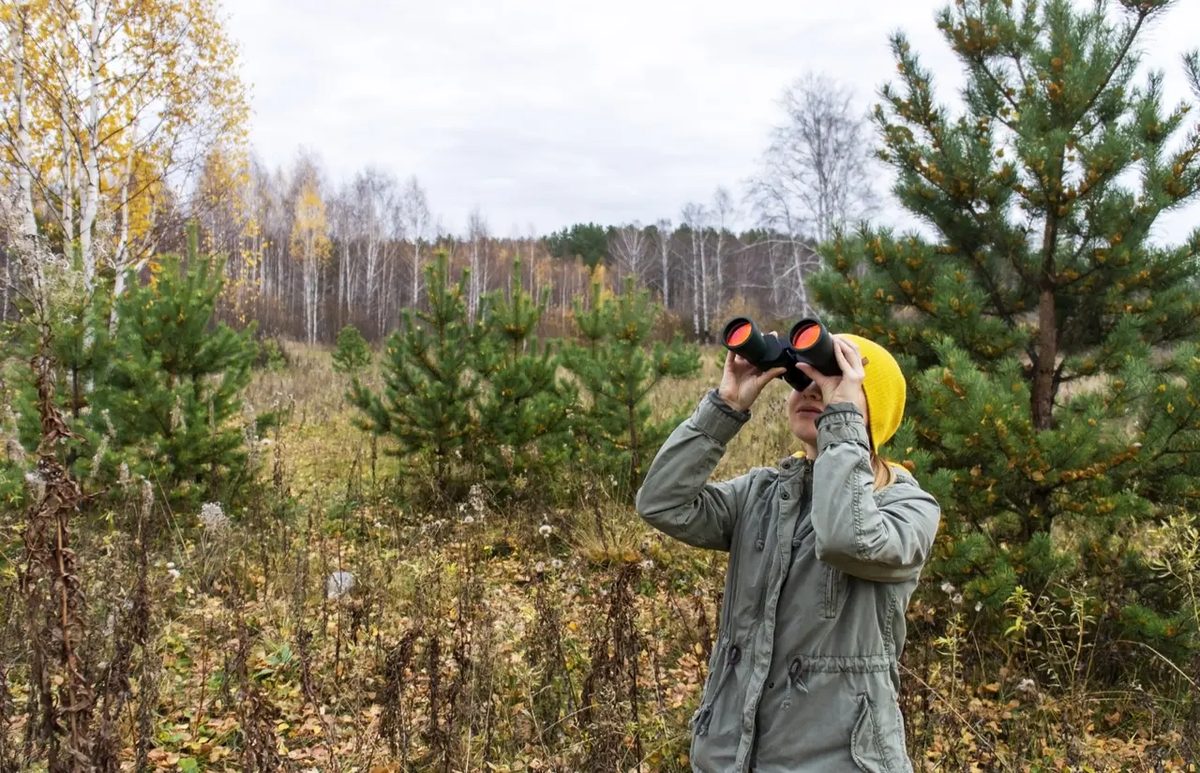
While the concept has been quietly transforming research since the late 1970s in the United States, it hit mainstream consciousness in France more recently. The early 2000s saw it take root here. Now? It’s everywhere. If you’ve ever photographed a bird, counted insects, or looked up at the night sky with a purpose, you’ve probably dipped a toe in.
The fields driving this movement are wide. Nature sciences dominate. Bird watchers, butterfly counters, water quality testers—they are the backbone of massive data sets. Astronomy is another giant. When you help classify galaxies on a website, you aren’t just killing time; you’re helping astronomers map the universe.
But how does it actually work? Is it just volunteers doing busy work for PhD students? Or is something deeper happening?
The Mechanics of Mass Participation
At its core, citizen science relies on a simple transaction. Researchers have a question too big for their limited budgets or time. They need scale. Volunteers have time. They have curiosity. They have eyes on the ground where researchers aren’t.
The process is rarely random. It’s structured.
- The Ask : A scientific project identifies a gap. Maybe it’s tracking the migration of monarch butterflies across North America. Maybe it’s monitoring air quality in a specific urban neighborhood.
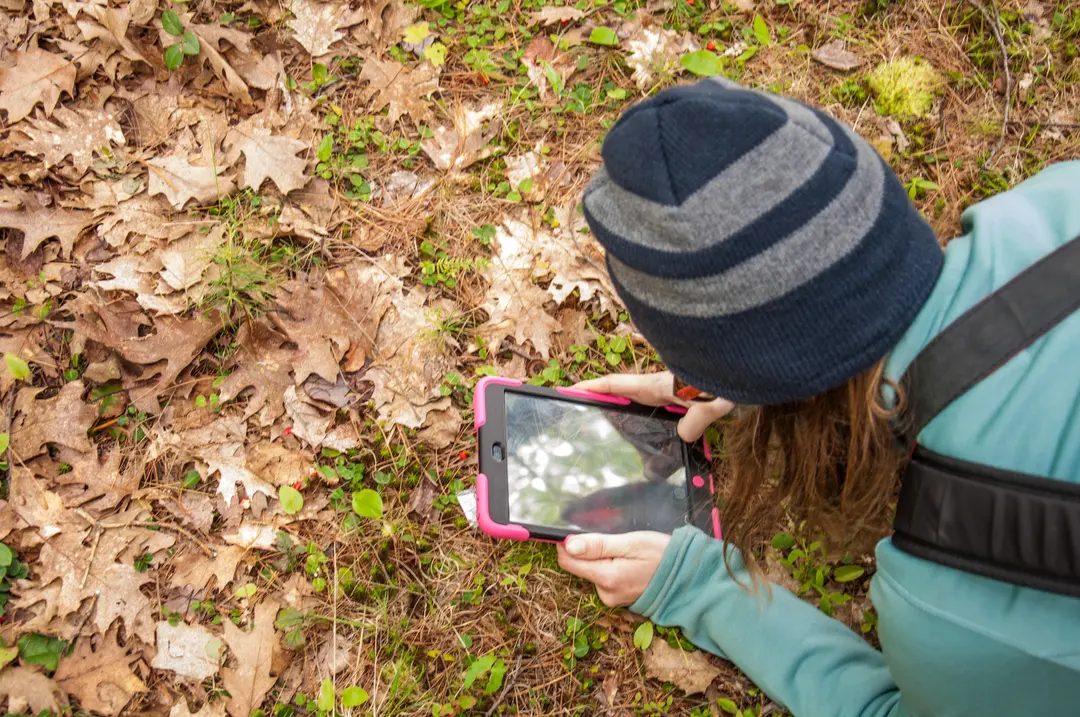
- The Tool : Participants get simple instructions. A phone app. A field guide. A clear set of criteria. “Take a photo of this leaf. Note the time. Upload it.”
- The Data : Thousands of people submit their findings. This creates a volume of data that a single university lab could never collect in a decade.
- The Validation : This is the tricky part. How do you trust a random person’s observation? Many projects use algorithms to flag outliers. Others bring in experts to verify a percentage of submissions. It’s not perfect, but it’s surprisingly robust.
Why do researchers bother? Why not just hire more grad students?
Because grad students cost money. They have limits. They can only be in one place at a time. Citizens can be everywhere. Simultaneously.
Why It Matters More Than You Think
We often treat these programs as hobbies. Gardening with a data angle. Stargazing with a purpose. But the output is rigorous science.
Consider the Great Backyard Bird Count. It’s an annual event. Hundreds of thousands of people spend four days counting birds. The resulting map tells ornithologists where species are thriving and where they are declining. It informs conservation policy. It changes how land is managed. Without those volunteers, that data would be a blind spot.
Or take astronomy projects like Galaxy Zoo. Ordinary people were asked to classify galaxy shapes
Where to find citizen science projects
Citizen science relies on ordinary people collecting data under strict protocols. Researchers then process and analyze that information. It is not just a hobby. It is a structured partnership.
Angélique Daubercies handles biodiversity observatories for the NOÉ association. She explains how these missions work. The scientific value is high. The barrier to entry is low. You do not need a degree. You only need curiosity.
Where exactly do you find these opportunities? The primary hub is the Observatoires participatifs des espèces (Open). This portal was created by the Muséum national d’Histoire naturelle. It lists numerous scientific programs. Most focus on biodiversity. You will observe animal or plant species.
What if you look upward instead of downward? The Société Astronomique Française maintains a separate site. They list current astronomical programs. The sky is the limit. Literally.
Anyone can contribute. There is a mission for every profile. You just have to find it. Your data matters.