149.4 million viewers. Just like that, NASA holds a new record. It happened in March and April as the Artemis II crew prepped, launched, looped the moon, and splashed down in the Pacific. The number covers the 24/7 streams and the views from inside the Orion capsule.
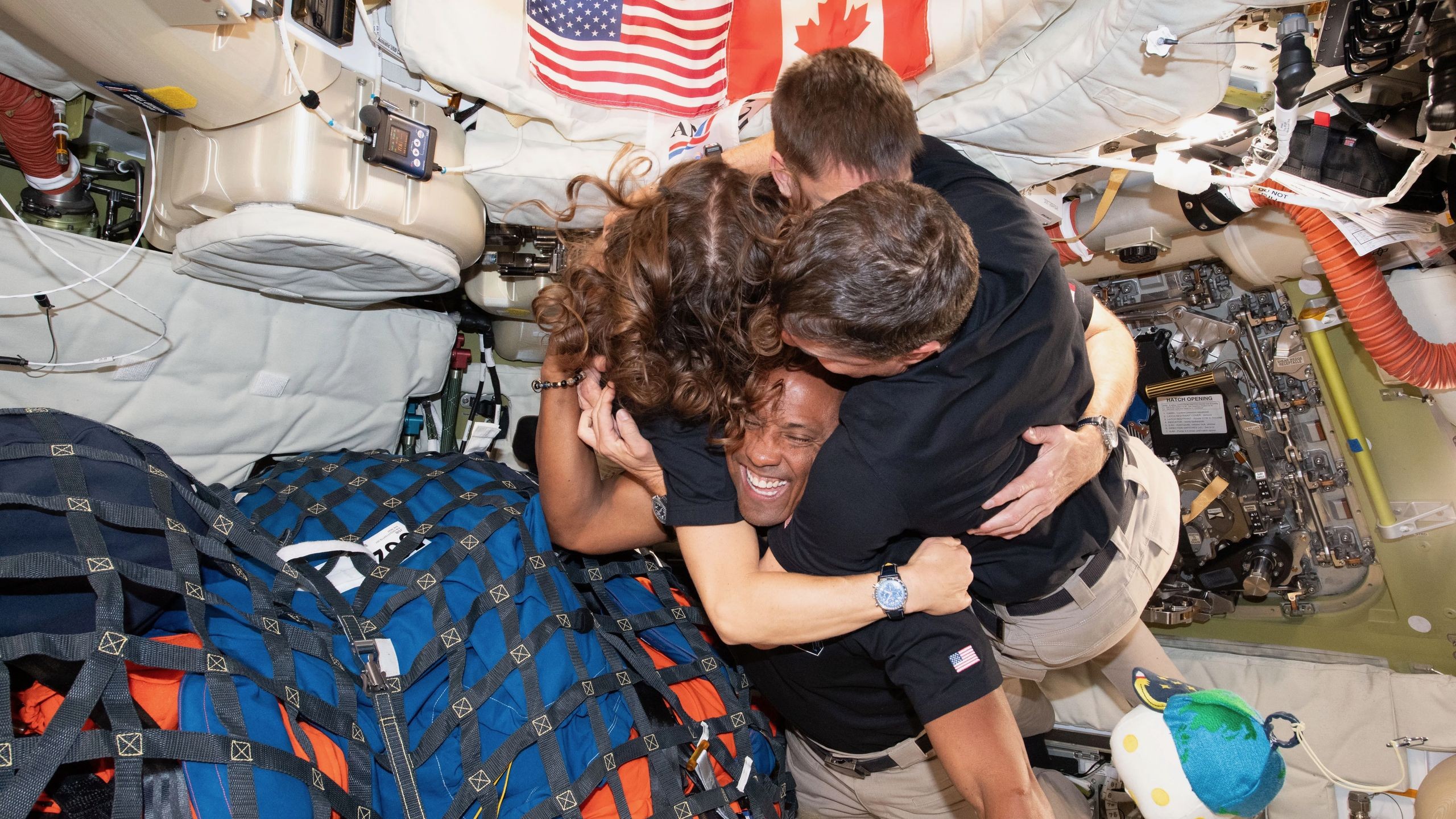
Why did everyone watch? NASA says the narrative worked. Real-time updates. High-vis moments. A historic flyby. The mission ran April 1 to 10. The crew? Reid Wiseman. Victor Glover. Christina Koch. Jeremy Hansen from Canada. They went farther than any human had before. The first moon trip since 1972. Glover is the first Black person to leave low Earth orbit. Koch the first woman. Hansen the first non-American. They chatted live with politicians, kids, journalists. They kept it real. The toilet venting struggled. They described the lunar dust. And they cried a little, hugging when they named a crater for Wiseman’s late wife. That hit hard on social media.
Launch Day
April 1 was big. 3.67 million people watched simultaneously on the official webcast. A record. Beat the James Webb telescope. Beat Artemis I in November 2024—wait, no, 2022. (The agency didn’t share those specific numbers, just that this one topped them.) About 16.6 million watched the launch live on NASA platforms. 23.9 million if you count latecomers. The Spanish-language feed alone hit a landmark peak of 458,346 simultaneous views. Totalled up to 2.8 million.
The Flyby
April 6. The lunar swing. One of the biggest peak audiences ever recorded, according to NASA. 1.47 million watched at the same time. Most were on YouTube. Nearly 900k of them. Twitch and X added another 190k.
The Return
April 10. Reentry. Heat shield check. Splashdown. 3.83 million live viewers peaked on agency platforms. Higher than launch by about 5%. Why the bump? Risk. Global news outlets fixated on the “riskiest moments.” Heat shields have history. Artemis I had unexpected scorch marks. Some people worried. NASA adjusted the reentry trajectory for Artemis II to protect the crew. It worked. But not everyone cared about engineering. Some said it was the “worldly harmony” that drew eyes. Heartfelt words from the astronauts. 24.1 million non-simultaneous live viewers totalled on agency sites. 29.5 million including those who tuned in later. NASA says if you count major broadcasters, viewership hits hundreds of millions globally. They looked at streaming subscribers as a proxy. HBO Max, Netflix, Amazon, Peacock. Subscribers are up to hundreds of millions there. News networks were left out of the math.
Traffic Spikes
The websites buckled. 125.1 million views on NASA.gov for the whole mission. March had only 50 million for the entire month. That’s a 150 percent jump. The “Artemis II Mission in Real time” or AROW tracker? It surpassed 11 million cumulative views. Maybe more, maybe not. NASA didn’t clarify if the count stopped.
Breakdown:
– Launch Day: 17.6 million pages. 8.3 million unique visitors.
– Flyby: 16.5 million pages. 6.2 million visitors. The main NASA homepage saw 2.3 million pages. AROW saw 1.9 million.
– Splashdown: 16 million pages from 6.1 million logins. AROW did 1 million on its own.
Social Media Surge
261 million individuals engaged with NASA’s accounts between March 27 and April. Splashday alone had 35 million engagements. Sentiment was mostly positive or neutral. Neutral leads the chart. 47 to 6 percent of the conversation. Positive adds 30 to 40 percent. Driven by excitement. Beautiful pictures. Deep space interest renewed.
Who amplified it? Brands. News outlets. The Canadian Space Agency was huge here. They have astronaut Jeremy Hansen on the crew plus Jenni Gibbons as CAPCOM. The ESA helped too with the service module. Both posted often. NASA gained followers fast. Instagram added 4.6 millions. The dedicated Artemis account jumped 2 million—that’s 66 percent growth while the rocket flew. YouTube gained 2 million subscribers. Facebook reached 1.7 millions more. X numbers are blacked out, but NASA calls the gains significant.
They ran campaigns before the mission to hype this up. Metrics on those are sparse. The result? The audience is bigger now. The question isn’t how many watched. It’s whether the hype can last once the cameras cut.