Most of us get older. Our memories get foggy.
Remember where you parked? Good luck. The name of that third-grade teacher? Gone. This is normal. For most people, cognitive decline isn’t a possibility; it’s the schedule. But then there are the outliers. The people in their 80s who recall details as sharply as someone in their 50s. They exist. They are real.
Emily Rogalski studies them. A neuroscientist at the University Chicago, she heads the “superager” study. These aren’t just smart old people. They’re a puzzle. Some of them actually have Alzheimer’s pathology in their brains—those tell-tale plaques and tangles—but they show zero symptoms. It shouldn’t work that way. Yet here we are.
Rogalski and her team have already found that superagers possess larger hippocampi and cerebral cortices than their peers. Now, they are digging deeper. Into the neural machinery. Into the lifestyle quirks.
Defining the impossible
So what makes a superager?
Technically? It’s age and function. You have to be over 80. Your memory has to rival that of people twenty years your junior. But that’s only part of the test. Language, executive function, attention—all those other brain jobs have to be at least average for your age group.
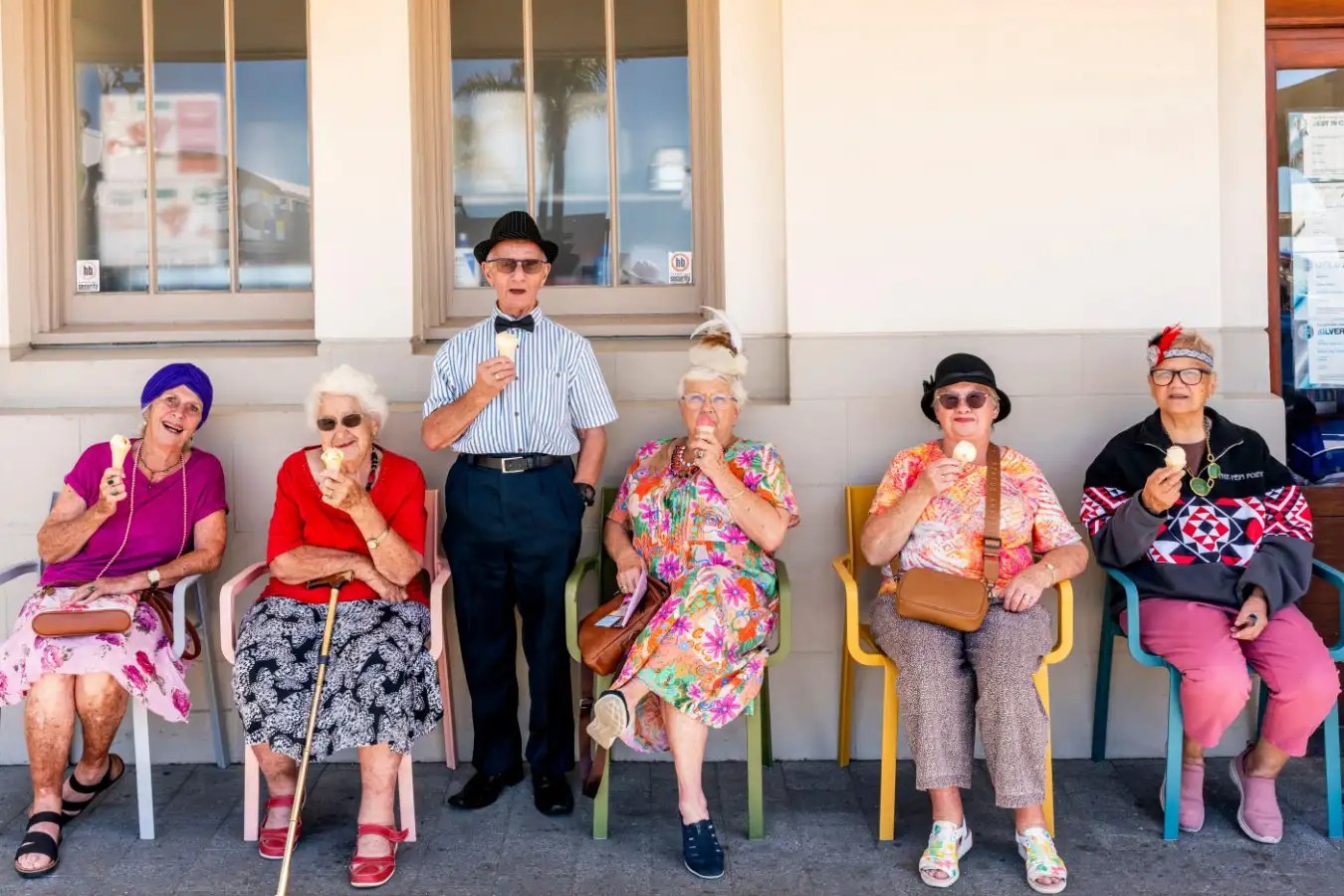
Most people know someone like this. An aunt. A neighbor. A friend who defies the clock. You meet them and think they are fifty, not ninety. It happens all the time.
Rogalski focuses on memory because it’s the one thing everyone hates losing. It’s also the hallmark symptom of Alzheimer’s disease. Memory loss is the biggest risk factor for older adults. By studying people who escape that fate, she flips the script on neurology. Usually, science looks at what’s breaking to try and fix it. Rogalski looks at what’s working, despite everything, and asks how.
“How did you do that?” is the core question. Not why are they sick.
Finding these people is less like science and more like gossip. Rogalski’s team hits farmers’ markets. They speak at retirement communities. They rely on word-of-mouth. Superagers seem to attract superagers. The study has expanded from just Chicago to five sites across the US and Canada. This wasn’t just about size. It was about representation—racial, ethnic, regional. The old model of white, male, coastal subjects? Dead.
When a potential candidate walks in, they don’t get a pat on the head. They get tested. Cognitive surveys. Clinical interviews. Neurological exams. MRI scans. Blood draws for genetics. Most don’t know they’re special until they get the results. And then? They get proud.
They commit for life. Literally. Follow-up visits every two years. Check-ins every six months. And a brain donation request at the time of death. We can’t see the molecular details while they’re alive. We need the tissue.
The autopsy surprise
Here’s where it gets weird.
Autopsies of superagers often show less tau protein—the nasty tangle associated with Alzheimer’s. But not always. Some superagers have brain scans that would scream “dementia” to a pathologist. By all medical definitions, they should have severe cognitive impairment. They don’t. They have the disease. Just not the disability.
Genetics isn’t the shield either. When researchers compared the DNA of superagers against average-aging controls, there was no significant difference. The controls weren’t luckier with their genes. Some superagers actually carry the highest-risk genetic markers for Alzheimer’s. And they are thriving.
It sounds like a plot hole. How do you survive your own biology?
The answer might be cellular. Not genetic, but structural. Superagers have way more Von Economo neurons than anyone else. These rare cells show up in only two areas of the brain: the anterior cingulate and the frontal insular cortex. The first is linked to attention. The second, to decision-making. In the anterior cingulate alone, superagers have four or five times the neuron count. On MRIs, this region looks thicker than it does in 60-year-olds. Attention, it turns out, is the guardian of memory.
Resilience, not privilege
You might imagine superagers are a bunch of wealthy folks who never struggled. Who ate kale from birth. You’d be wrong.
Rogalski sees a lot of grit. One superager was the sole survivor of her family in the Holocaust. She spent time in a concentration camp. Another lost her children at a young age. Their lives were handed to them? No. They bounced back. There is a theme of adaptability. Of refusing to stay down.
Diet doesn’t fit the pattern either. Many admit to eating terrible food. TV dinners. Junk. Exercise varies wildly. Some bike hundreds of miles. Others, using wheelchairs, do chair stretches.
Socializing? That’s the common thread.
The number one tie between superagers is connection. When you hit 100, your peer group dies off. You don’t wait to fade away. You reach out. Sometimes to 20-year-olds in a classroom. Sometimes to 65-year-olds in a retirement community. Just find someone.
This isn’t just about loneliness, though avoiding that helps. The brain craves novelty. Challenge. Lifting weights builds muscle. Talking to strangers builds neurons. It’s uncomfortable. Good. Comfort kills the brain.
Consider co-mentorship. A guy moved back in with his daughter—not out of necessity, but to stay connected with grandkids. He had to learn their world. Who is Chance the Rapper? Is Taylor Swift in town? He didn’t just talk about Frank Sinatra anymore. He stayed sharp by staying curious.
Some skeptics argue causation. Maybe smart people are better at making friends, rather than friends making them smart. Rogalski admits the link isn’t simple. But the data suggests otherwise. Socially connected people, even those with Alzheimer’s pathology, decline slower. Connection acts as a buffer. A brake on the slide.
The martini protocol
Is it all just virtue signaling? Eat clean. Sleep early. Don’t smoke?
Boring. And mostly untrue.
Rogalski recalls one pair of superagers who attributed their longevity to a shared martini every day at 5 p.m. Was the alcohol helping their memory? Probably not. The ritual was. It was their connection. Their calm point. Their reason to step out and meet a friend.
Genetics isn’t fate anymore. It’s a hand you can shuffle. You didn’t pick your parents. You can pick your phone calls.
If you’re walking home and think should I put in my headphones or call my sister… call your sister.
We still don’t have a magic bullet. But we have clues. And for the ones who survive everything the world throws at them, including their own brain chemistry, the secret seems to be simple. Stay engaged. Stay curious. Don’t let the silence in.
What will you do with the next decade?