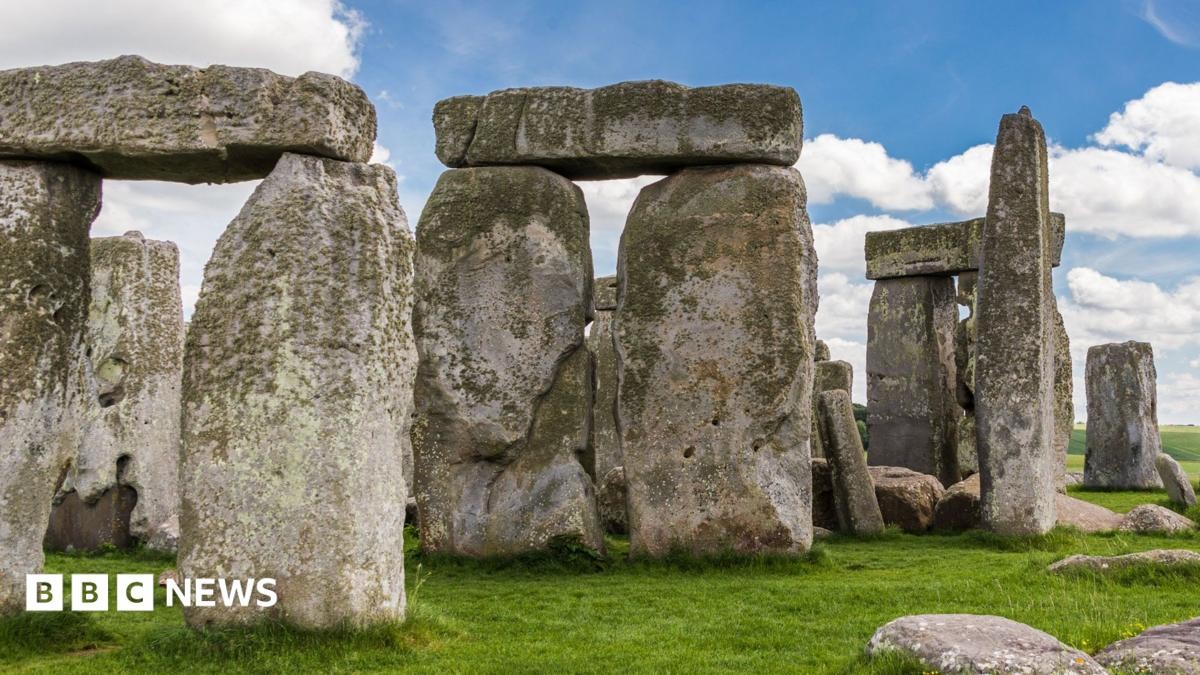
They are gone now. Rotted to nothingness. Two holes in the ground is all that remains, yet they scream louder than the stone giants nearby.
Archaeologists found an earlier, simpler relative of Stonehenge just three miles from the famous Wiltshire site. It predates the massive stone circle by 500 years, dating back 5,000 to when humans first started taming the land for crops. No massive transport of bluestones. No granite monoliths hauled across Wales. Just two wooden posts.
But the intent was identical.
“Two post pits tell me more about people 5000 years ago… This tells me about the whole community this tells me about how they were this tells me how they were revering the he
The site, located in Bulford village, held two pits where vertical timber poles once stood. They were positioned 120 meters apart, estimated at two to four meters high. Phil Harding from Wessex Archaeology dug them up and pulled out his ruler. He connected the dots.
It lined up with the sun.
Specifically the summer sol sunrise and the winter solstice sunset. Exactly.
You have to turn the celestial clock back to see it work. The sky isn’t static. Stars and the sun shift over centuries, imperceptible to us but glaring to archaeoastronomers. Dr. Fabio Silva from Bournemouth University had to reconstruct what the heavens looked like 5 millennia ago. He accounted for the width of the posts themselves. The alignment isn’t “kind of close.” It is exact.
The builders of Bulford didn’t need megaliths to map the heavens. Wood did.
A Disc Of Flint
It wasn’t just posts. The earth around the pits was busy with human activity.
Artifacts suggest these people gathered here, held rituals, and celebrated the turning year. We found pottery shards, animal bones, and digging tools carved from antler.
One thing, however, stopped Harding cold.
A flint knife. Not a broken shard used for skinning a hare, but a piece of art. It was discoidal—shaped like a flat disc.
“It was, I think, our find,” Harding said.
The craftsmanship was immense. Real skill went into grinding that hard stone into a perfect circle. They found it upright. Carefully placed. Not tossed into the dirt.
Harding thinks the disc shape references the Sun. It mirrors the alignment of the wooden posts. A symbol of light pressed into the earth.
“Maybe that discoidal reference to who knows”
The site was originally spotted a decade ago while clearing ground for new army housing near Bulford. The holes sat there, waiting for context. Only now did we connect the sky to the soil.
Living On The Edge Of The Stones
Why care about a stick-in-the-ground?
It changes our map of Neolithic social networks.
Dr. Jennifer Wexler of English Heritage suggests the people living near Bulford might be the very same ones who later built Stonehenge. Bulford dates to the earliest phase of Stonehenge activity—the earthworks before the stones arrived.
Maybe they didn’t come from far away. Maybe they were just next door.
Seasonal gathering makes sense. Early farmers tied their livelihood to the sun. Crops need light. Animals need pasture. If the light dies, so do the fields.
This brings up the quiet question:
“Winter held significance ancient communities
We obsess over the summer solstice today. Thousands pack the stones every June 21 to watch the sunrise hit the heel stone.
But 5,000000 years ago the winter solstice mattered more. It’s the darkest time. The light is literally dying.
For farmers, winter isn’t a vacation. It is survival. Marking the return of spring was vital—pun intended no apologies for that phrasing—essential. They needed to invoke the sun’s return to ensure the crops would thrive. The Bulford posts watched the short days. The Stonehenge stones would eventually watch them too.
The wooden posts rotted. The disc-shaped flint sat upright. The sky moved.
We still look up, just to make sure they didn’t break promise.