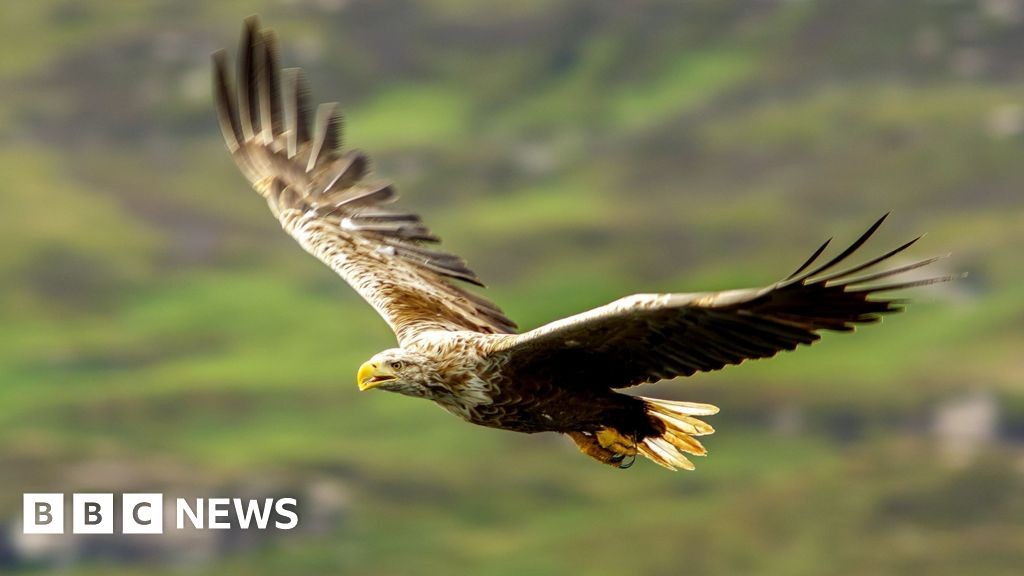
It shouldn’t happen. Decades of protection laws have been in place. Yet Britain’s rarest birds of prey keep getting killed. Illegally.
The RSPB’s new report drops a heavy number: 921 confirmed attacks between 2010 and 2024. Half of those? Right on or near land run for game shooting.
Money drives it. Plain and simple.
Mark Thomas heads the RSPB investigations unit. He sees it as a ledger entry. Kill the raptor. Save the pheasant. Fill the shooting bags for the paying customer. It is about protecting revenue.
Shooting groups say no way. They call it the work of a small minority. Outliers. They condemn the acts outright. But the RSPB isn’t buying the innocence of the whole industry.
“The root of the conflict actually lands… economically.”
— Prof. Davy McCracken
Blood evidence
These aren’t hearsay rumors. The RSPB counts only confirmed cases. Forensic reports. Video. Eyewitness accounts. Former cops run these inquiries.
This year? Three convictions.
Two birds were beaten to death inside traps. A buzzard. A goshawk. The law allows some traps for pests like crows, sure. But you check them regularly. You let the wrong birds go unharmed. These guys didn’t.
The third case was colder. Hidden cameras. Covert audio. In the Yorkshire Dales, Racster Dingwall, a head gamekeeper, arrived at a hen harrier roost with a shotgun.
The recording caught them discussing whether the bird might be satellite-tagged.
Dingwall pleaded guilty. Fined £1,150. The footage proved the intent.
License or lapse?
Incidents might be dropping recently. Or maybe enforcement just feels stingier. The RSPB thinks prosecution isn’t enough. Criminal court bars are high. Hard to meet.
So they want a license for gamebird shooting in England and Wales. Just like red grouse hunting requires in Scotland.
Why?
Because if the RSPB suspects something, they can pull your license at the civil standard of proof. You don’t need a criminal conviction. Just enough evidence to shut down the shooting operations. It puts the estate itself on the hook, not just the rogue employee.
The defense
Dr. Marnie Lovejoy from the BASC draws the line sharply.
Prosecute the individuals, she says. Kick them out of the modern community. Don’t drag everyone into regulation hell.
Licensing adds weight. It touches every operator, not just the few doing the bad things. Plus, she points out, the sector pumps £500m yearly into nature recovery. That translates to thousands of jobs. Millions of workdays. It isn’t just killing; it is managing land.
No easy fix
The government stays silent on the specific RSPB request. Defra wants high environmental standards everywhere, sure. But they are “exploring” options. Typical.
The tension remains. Up. In the fells. Between a raptor’s survival and a gun-owner’s sport.
You can tighten the laws. You can hire more former cops to hide in hedgerows. You can fine the men caught with shotguns in their hands.
But the land stays managed. The money keeps moving. The birds still fly overhead, vulnerable to a calculation made decades ago: is this life worth less than this harvest?
We are waiting for an answer that feels like more than a compromise.