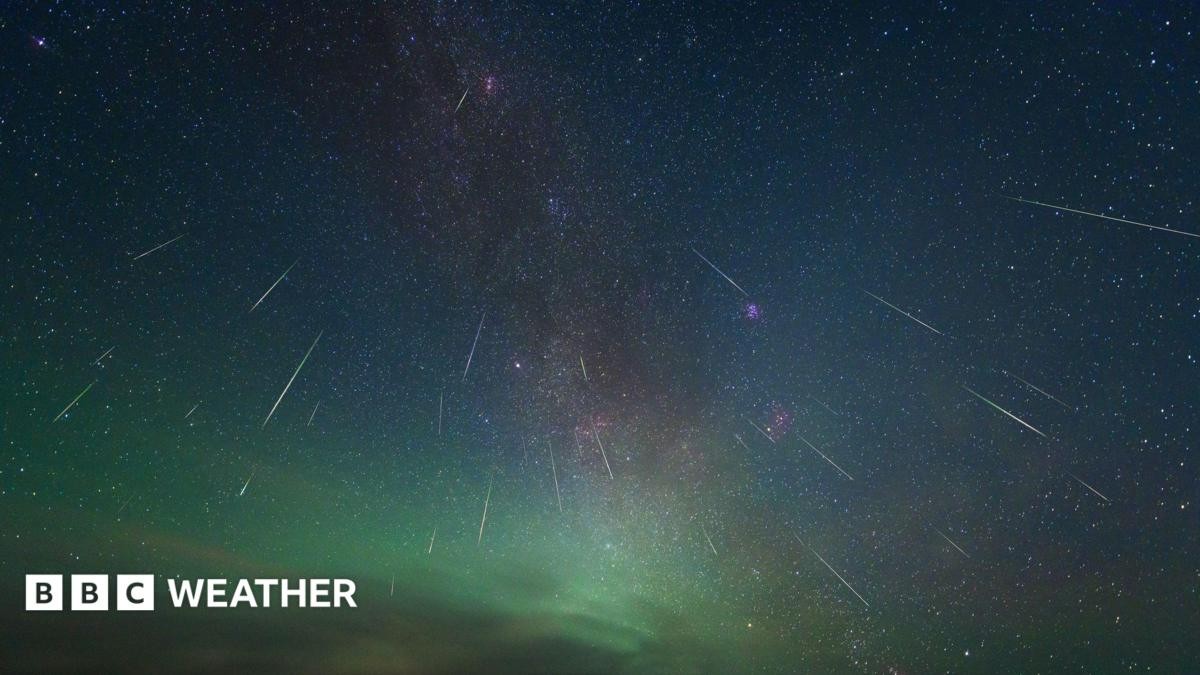
The sky is about to break open. Not with fire or brimstone, just dust and speed. The Perseid meteor shower starts showing up next month. It runs from July 17 through August 24. But the main event? The nights of August 12 and 13.
Here is why you care. It is one of the fastest shows on the calendar. Earth flies straight into the trail left by Comet 109P/ Swift-Tuttle. Think of it like a car hitting a cloud of bugs. Except the bugs are the size of sand grains and the car is moving at thousands of miles an hour. They vaporize in our atmosphere. Poof. Streaks of light.
You could see 150 an hour at peak. Sometimes brighter ones called fireballs flash across the view. Who wouldn’t want to see that?
“Dark skies create ideal viewing conditions.”
The moon is new during the peak. No bright satellite stealing the spotlight. If the weather holds out. If the clouds don’t roll in. Which is never a guarantee. You will just have to look up and hope.
How to actually see it
Do not buy binoculars. Leave them at home. They ruin the view because you need your peripheral vision to spot the fast-moving dots. Your naked eyes are the best tool you have.
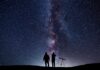
Go somewhere dark. Away from city lights. The further you get from light pollution. The more meteors your retina picks up. Sit in a comfortable chair. Bring a blanket if the night air gets cold. Then wait.
Look toward Perseus. That is where they seem to come from. The radiant. Like sparks flying from a welder’s torch.
Wait until after midnight. Maybe even closer to dawn. That is when the northern hemisphere swings directly into the debris stream. Let your eyes adjust for at least 15 minutes. It takes time. Patience is part of the ticket.
You might not see 150. You might see ten. You might see one brilliant flash and nothing else for an hour. That is okay too. The sky doesn’t owe us anything. We just borrow a few hours of it.
Good luck out there.