Residue from ancient Roman chamber pots unearthed in Bulgaria has provided the world’s oldest known evidence of human infection by Cryptosporidium, a parasite that causes acute gastrointestinal distress. The discovery, published in the journal npj Heritage Science, challenges previous assumptions about the geographic origins of the parasite and offers a grim glimpse into the daily health struggles of Roman frontier soldiers.
A Glimpse into Roman Frontier Life
In the first century AD, the Roman Empire established the province of Moesia Inferior in the Balkan Peninsula, encompassing modern-day Bulgaria. To defend against Gothic incursions, Roman legions were stationed at key fortifications, including the fortress of Novae (near present-day Svishtov) and the town of Marcianopolis (modern-day Devnya).
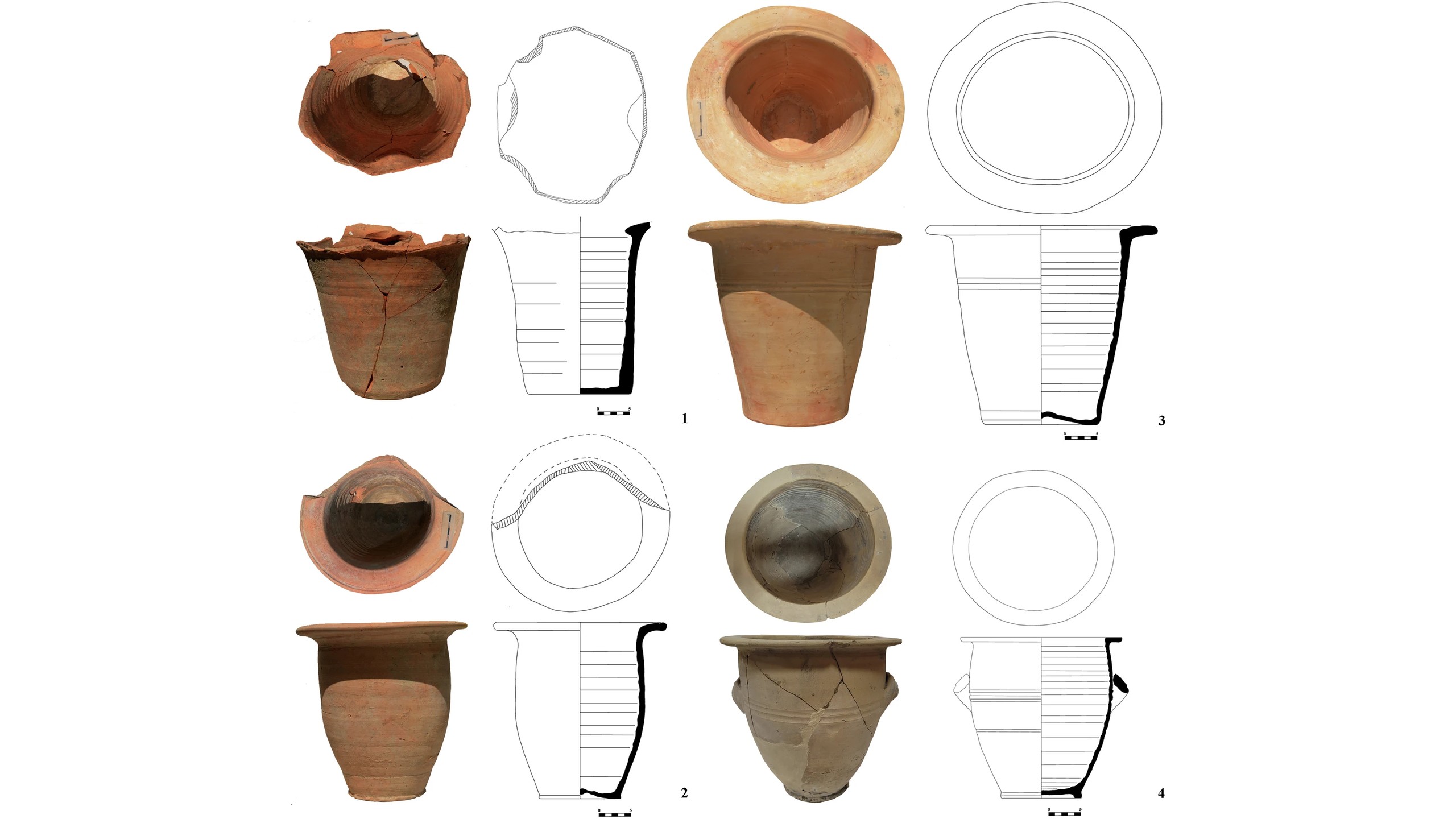
During excavations at these sites, archaeologists recovered four ceramic chamber pots. While these vessels were common household items, their long-dried contents—mineralized deposits of urine and feces encrusted on the interior surfaces—preserved a unique biological record. By analyzing these residues, researchers could bypass the limitations of skeletal remains and directly study the pathogens that affected the living population.
Identifying Ancient Pathogens
Using enzyme-linked immunosorbent assays (ELISA), a laboratory technique capable of detecting bacteria, viruses, and parasites in bodily fluids, the research team identified three distinct gut pathogens in the samples:
- Entamoeba histolytica : A protozoan parasite.
- Taenia : A tapeworm.
- Cryptosporidium parvum : A parasite commonly known as “Crypto.”
All three organisms infect the human gastrointestinal tract, causing symptoms ranging from stomach pain to severe diarrhea. While previous studies had identified intestinal worms and Giardia in Roman soldiers and citizens, this is the first time Cryptosporidium has been detected in an ancient Roman context.
“The evidence of Cryptosporidium comes from two separate chamber pots from Novae,” explained study first author Elena Klenina, a historian at Adam Mickiewicz University in Poland. “The parasite’s presence across distinct contexts suggests the infection may have been relatively widespread within that community.”
Rewriting the History of the Parasite
The discovery is significant not only for Roman history but for the broader understanding of disease evolution. Cryptosporidium parvum infects dozens of domesticated and wild animals. Humans typically contract the parasite through contaminated soil or water. Because symptoms are often mild, the first human cases were not medically identified until 1976, leading to ongoing debate about where the human infection originally began.
Previously, the oldest known human evidence of Cryptosporidium came from preserved feces in Mexico, dated to approximately AD 700. This led some experts to hypothesize that the parasite originated in the Americas. However, the Bulgarian findings push the timeline back by nearly 700 years.
Furthermore, the detection of Cryptosporidium in the remains of a 5,000-year-old goat (Myotragus balearicus ) from the western Mediterranean supports the theory that the parasite likely originated in Europe before spreading globally. This suggests that European livestock may have been the initial reservoir for human infection, rather than New World animals.
Daily Life and Disease Transmission
The researchers speculate that the soldiers at Novae contracted the parasite through contaminated water supplied by rural aqueducts. Infection with any of the three identified pathogens would have resulted in severe diarrhea, forcing individuals to use private chamber pots during the night rather than relying on public latrines or bathhouses, which were only accessible during daylight hours.
This detail highlights the intersection of infrastructure and public health in the Roman Empire. While Roman engineering was advanced, the safety of water supplies in frontier provinces remained a critical vulnerability.
Safety in Ancient Science
Analyzing such ancient biological material raises questions about safety, but the risks are minimal. As Klenina noted, the biological material is thousands of years old and no longer viable or infectious. This allows historians and scientists to probe the medical history of the past without endangering modern researchers.
Conclusion
The analysis of Roman chamber pots reveals that Cryptosporidium was present in Europe centuries earlier than previously thought, likely originating from local livestock rather than the Americas. This finding not only expands the timeline of human parasitic disease but also underscores the persistent health challenges faced by Roman populations, even amidst their advanced architectural achievements.