You probably know you should eat your vegetables. But do you know why berries and tea matter for your brain?
New research suggests they might. It isn’t about magic pills. It’s about plant compounds.
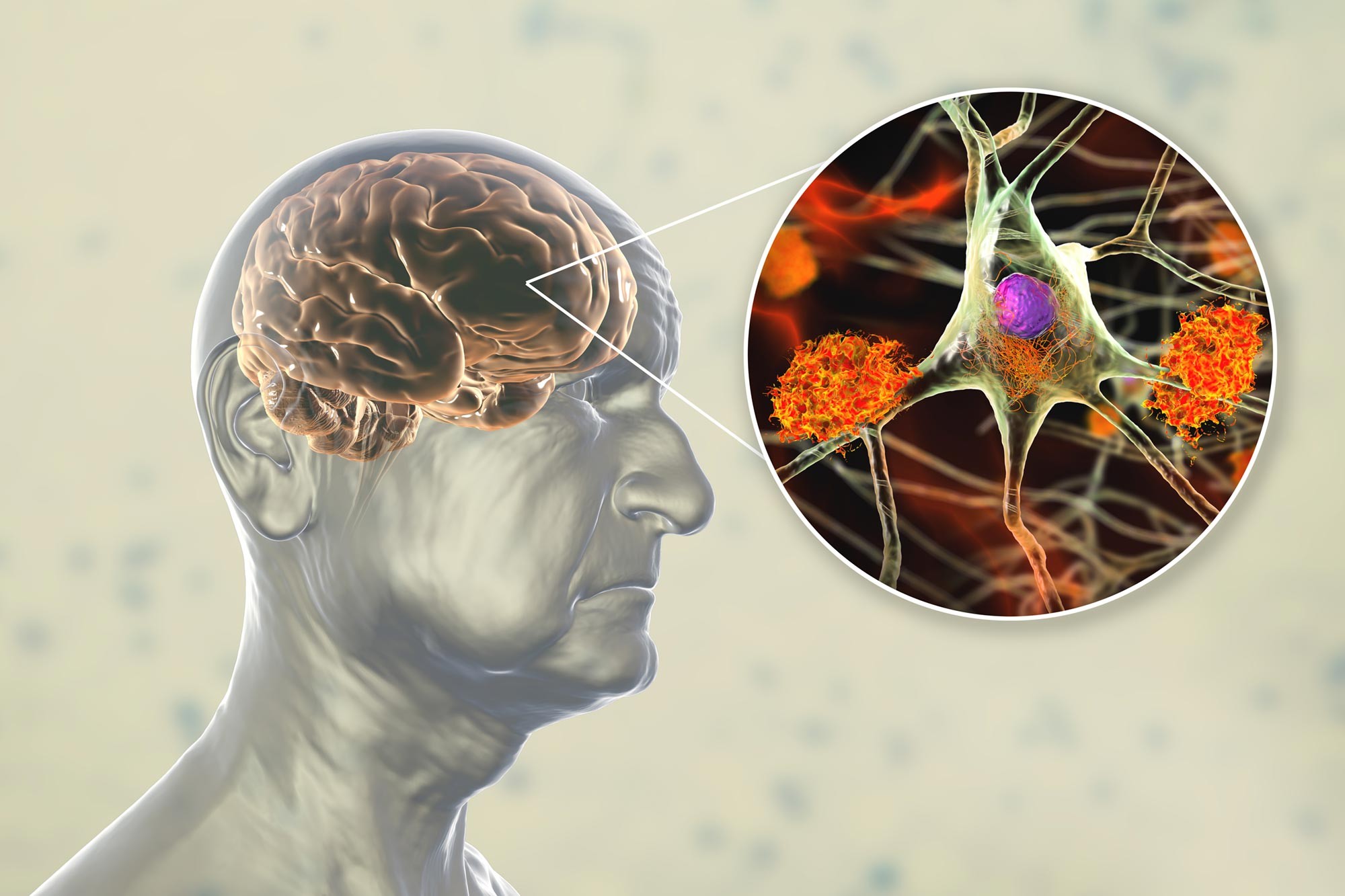
A major review from Semmelweis University looks at how these compounds, known as polyphenol-rich foods, might help you age better. Specifically, how they interact with biological pathways linked to Alzheimer’s and nerve cell loss.
Published in the journal Nutrients, the findings are nuanced. There is no single superfood. No specific diet prevents dementia. But there is a pattern. A pattern of eating that supports your brain over the long haul.
The mechanism: Why plant compounds matter
Polyphenols do more than just sit in your digestive tract. They influence processes tied to aging.
The researchers analyzed hundreds of studies. These ranged from lab experiments and animal tests to population studies and human clinical trials. The collective data points to two main actions:
- Antioxidant activity
- Anti-inflammatory effects
Together, these may help maintain nerve cell function. They might also counter some of the damage associated with an aging brain.
Think of it this way. Your brain accumulates oxidative stress and inflammation over decades. Polyphenols, found in things like green tea, cocoa, and berries, act as a buffer. Not a shield. A buffer.
Which diet actually helps?
The review didn’t just look at nutrients in isolation. It looked at dietary patterns. Two stood out.
The Mediterranean diet. This is the classic model. Vegetables, fruits, legumes, whole grains. Fish and olive oil feature heavily.
The MIND diet. This is a variation designed specifically for brain health. It prioritizes leafy greens and berries. It explicitly reduces red meat, butter, cheese, and fried foods.
Both diets share a common denominator: polyphenol-rich foods.
Specific compounds were highlighted in the review. EGCG, found in green tea. Cocoa flavanols. Curcumin, from turmeric. And the pigments in berries. These are the substances researchers are tracking. They appear widely in plant-based eating patterns.
It’s not about the pill, it’s about the plate
Dr. Mónika Fekete, the senior author of the study, was clear. Polyphenols are not miracle cures. They are promising tools.
“The focus, however, should not be on Dietary supplements but on a varied diet rich in Plant-based foods,” Fekete said.
This distinction matters. You can buy a green tea extract pill. But that misses the synergy of the whole food. And the fiber. And the other nutrients accompanying it.
The data suggests long-term habits outweigh isolated interventions. Eating regularly. Vegetables. Fruits. Nuts. Reducing processed items. That’s the strategy. Not one-off “superfood” bingeing.
The gut connection: Why your response might be different
Here is where it gets personal. Your body doesn’t just absorb polyphenols directly.
Most of them are metabolized by gut bacteria. These bacteria convert the compounds into other substances. Those substances then affect inflammation. And cellular energy. And, potentially, nervous system function.
But here’s the catch. Everyone’s gut microbiome is different.
That means the same handful of berries might have a different biological impact on you than on me. Identical foods do not produce the same response in everyone.
“This may help explain why the same Diet does not affect Everyone in the same way,” noted Dr. Noémi Mózes. She was the study’s first author.
She suggests personalized nutrition will be key. Understanding who benefits most from a polyphenol-rich diet will likely depend on your specific gut profile. Right now, that’s still emerging science.
The urgency is real
Why does this matter now? Because the numbers are daunting.
According to the World Health Organization, over 55 million people globally live with dementia. That number will rise in the coming decades. Dementia is a leading health challenge of aging.
Researchers are looking for ways to lower the risk. Lifestyle factors are top of the list. Diet is one of them.
The evidence isn’t strong enough to say “eat blueberries and you won’t get Alzheimer’s.” That claim would be false. But the evidence is growing for a broader approach.
Preventing cognitive decline seems to depend on consistent, long-term dietary habits. Not a quick fix.
What to eat (and what to avoid)
If you are looking for concrete steps based on this review, here is the practical take:
- Prioritize plant diversity. The more varied, the better.
- Include berries regularly. They are packed with pigments and polyphenols.
- Drink tea. Green tea, specifically, for the EGCG.
- Don’t fear cocoa. Look for flavanol-rich varieties.
- Reduce highly processed foods. The MIND diet offers a clear guide on what to limit, like fast food and sweets.
No single food prevents dementia. But a plant-rich diet might help preserve cognitive function. It’s not about perfection. It’s about consistency.
And since your gut bacteria will shape how you respond, you might just need to find your own balance.
What happens to your brain in twenty years? That depends on what you eat today. Start with the basics. Plants. Fiber. Less processed junk.
The rest is still being written. By researchers. By you.