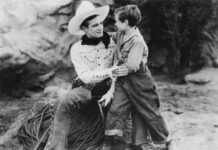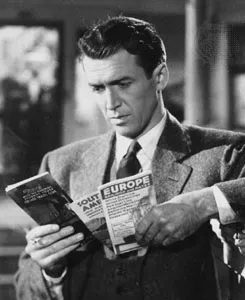
He didn’t look like a movie star. Not in 1935. James Stewart arrived in Hollywood with a stutter, long legs that seemed to trip over themselves, and a face that critics called angular. Casting directors shrugged. He was slow. Halting. Hard to place.
Then he spoke.
That voice. That specific, mid-Atlantic drawl. It disarmed everyone. Suddenly, the man who couldn’t land a role was landing hearts. He didn’t need to be a tough guy. He didn’t need to be slick. He just needed to be him.
The Capra Connection and the First Oscar
Frank Capra saw it first. He saw the idealism hiding behind the awkwardness. Stewart played the endearingly simple soul in You Can’t Take It with You (1938). Then he played the idealistic crusader in Mr. Smith Goes to Washington (1939). The public ate it up. They didn’t just watch him; they trusted him.
By 1940, the Academy agreed. Stewart won Best Actor for The Philadelphia Story. He wasn’t just a pretty face. He was the guy you wanted to be. Or the guy you wanted your son to be.
War and the Ultimate Classic
Then came World War II. Stewart didn’t wait for calls. He enlisted. He became a bomber pilot. He flew missions. He earned medals.
When he returned, the world had changed. But Stewart? He just kept working. In 1946, he gave us George Bailey in It’s a Wonderful Life. The film wasn’t an instant smash. It took time to settle into the cultural bloodstream. Now? It’s Christmas. Every year. The man who played the diffident, morally resolute everyman became the face of American holiday nostalgia.
Hitchcock’s Puppet
Not everyone liked it. Alfred Hitchcock didn’t.
Hitchcock wanted control. He wanted a doll he could pose. Stewart was too real. Too human. Yet, Hitchcock used him anyway.
- Rope (1948)
- Rear Window (1954)
- The Man Who Knew Too Much (1956)
- Vertigo (1958)
In Vertigo, Stewart’s Jimmy “Scottie” Ferguson isn’t just a detective. He’s a broken man. The camera follows him. The music swells. The spiral tightens. It’s terrifying. It’s beautiful. It’s Stewart at his most complex.
Why He Stays Relevant
You don’t see many actors today who can switch from Destry Rides Again (1939) to Anatomy of a Murder (1959) without changing who they are. It’s not acting. It’s being.
He played the musician in The Glenn Miller Story (1954). He played the tough lawman in The Man from Laramie (1955). He played the lawyer in Anatomy of a Murder. The characters changed. The core remained.
Is there a better actor for our times? Maybe not. We live in