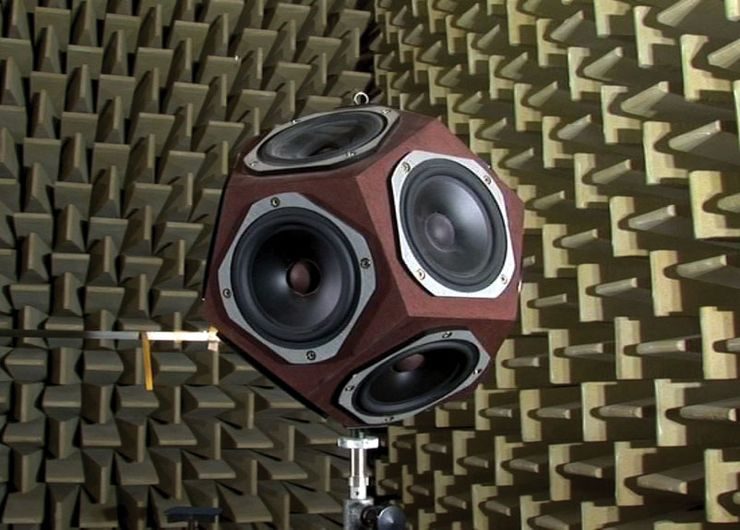
Sound is not just noise. It is a physical force that travels through air, water, and solids. Science calls the study of this force acoustics. It covers the entire lifecycle of sound. We create it. We control it. We transmit it. We receive it. And we measure its effects on humans and structures.
This field is not a single discipline. It splits into four main branches. Each branch solves specific problems using physics.
Controlling Urban Noise Pollution
One major branch is environmental acoustics. This area focuses on reducing unwanted sound. Think about the roar of an airplane taking off. The hum of a factory at night. The screech of brakes on a busy highway. Environmental acoustics works to manage these sources. It aims to protect communities from excessive noise levels. It deals with aircraft engines, construction machinery, and general traffic patterns. The goal is quiet. Or at least, manageable quiet.
The Physics of Music
Then there is musical acoustics. This is where art meets science. It deals with how musical instruments are designed. It looks at how they produce sound waves. But it also studies the human element. How do musical sounds affect listeners? It explores resonance, pitch, and tone. It answers why a Stradivarius violin sounds different from a mass-produced one. It is about the interaction between the instrument and the human ear.
Recording and Reproduction
Engineering acoustics handles the technical side of sound. This branch concerns sound recording and reproduction systems. Think of microphones, speakers, and studio design. It ensures that the sound captured is the sound delivered. It involves complex signal processing. It also covers noise reduction technologies in digital audio. If you listen to a podcast or a high-fidelity album, engineering acoustics made that possible.
Seeing Sound with Ultra-High Frequencies
The fourth branch is ultrasonics. This deals with sound waves above the audible range for humans. Most people cannot hear frequencies above 20,000 Hertz. Ultrasound goes higher. It has practical applications in industry and medicine. In medicine, it creates images of unborn babies. In industry, it detects cracks in metal. It allows us to “see” inside objects without cutting them open.
Why Acoustics Matters in Real Life
You might think acoustics is just for musicians or engineers. That is wrong. It affects your daily life. It determines how well you can hear a colleague in an open office. It influences the design of concert halls. It impacts the fuel efficiency of aircraft by reducing drag-related noise.
The science of sound is everywhere. From the ultrasound scan at the doctor’s office to the noise-canceling headphones on your head. It is a critical component of modern infrastructure. We often ignore it until it fails. Then we notice the echo. Or the lack of privacy. Or the headache from constant traffic noise.
Acoustics is the hidden layer of our built environment. It shapes how we experience space. It defines our comfort. And it continues to evolve with new materials and digital tools. The study of sound is far from static. It is a dynamic field that keeps adapting to our needs.