The WHO didn’t bother waiting for a committee vote.
On May 19, Tedros Adhanom Ghebresus, the Director-General, declared the Ebola situation in the Democratic Republic of the Congolese (DRC) a public health emergency of international concern. The speed mattered. So did the scale. As of late May, the count stands at over 800 suspected and confirmed cases. More than 180 people are dead.
Uganda reported two confirmed cases and one fatality, linked to travelers who crossed back from the DRC. One American patient was flown to Germany for treatment. Otherwise? It stays in Congo. Mostly. But the WHO sees the risk of international spread rising. They pulled the alarm cord. Early. Loud.
A Mismatched Weapon
Here is the problem. Not the virus itself. But our tools.
The pathogen driving this specific outbreak is the Bundibugyo virus. It’s distinct. Genetic analysis shows it shares only 60% to 75% of its material with the Zaire ebolavirus—the infamous strain behind the 2014-2016 West African crisis. That gap is wide. Wide enough that immunity doesn’t cross over.
Dr. Madeline DiLorenzo at NYU Langone explained the biological wall. Existing vaccines target a specific protein on the Zaire virus. Bundibugyo? That protein looks different. The sequence doesn’t match. The vaccine is useless.
There are no approved vaccines for this strain. Zero.
The WHO is holding out hope for an experimental candidate, but production timelines are grim. Six to nine months for initial doses. Maybe two to three months for another prototype, pending animal test results that haven’t come in yet. Ring vaccination is off the table. Geographic targeted vaccination is gone, too. We are flying blind.
“In our view, the scale and speed the epidemic demanded urgent action,” said Tedros.
But urgent action needs tools. We don’t have them.
Diagnostics Fall Short
Ebola hides well in its first few weeks.
Fever. Muscle pain. Sore throat. It sounds like malaria. Or typhoid. Or the common cold. Symptoms show up anywhere from two days to three weeks after exposure. By then, the window for safe isolation might already be slipping.
PCR tests can detect Bundibugyo by finding viral RNA in blood. But access to these labs is spotty, says Dr. Jill Weatherhead of Baylor College of Medicine. Even when the test is available, there’s a lag. The virus load takes time to become detectable in the bloodstream after symptoms start. Patients might need repeating testing. False negatives linger.
Rapid tests exist. They look for viral proteins common to filoviruses. They’re faster, yes. But less sensitive. They might miss Bundibugyo specific markers entirely.
Did this cause the delay?
DiLorenzo suggests it likely contributed to the slow start in detection. We didn’t know we had it. Not really. Until it was too late.
Violence and Vacuums
If you can’t vaccinate. You isolate.
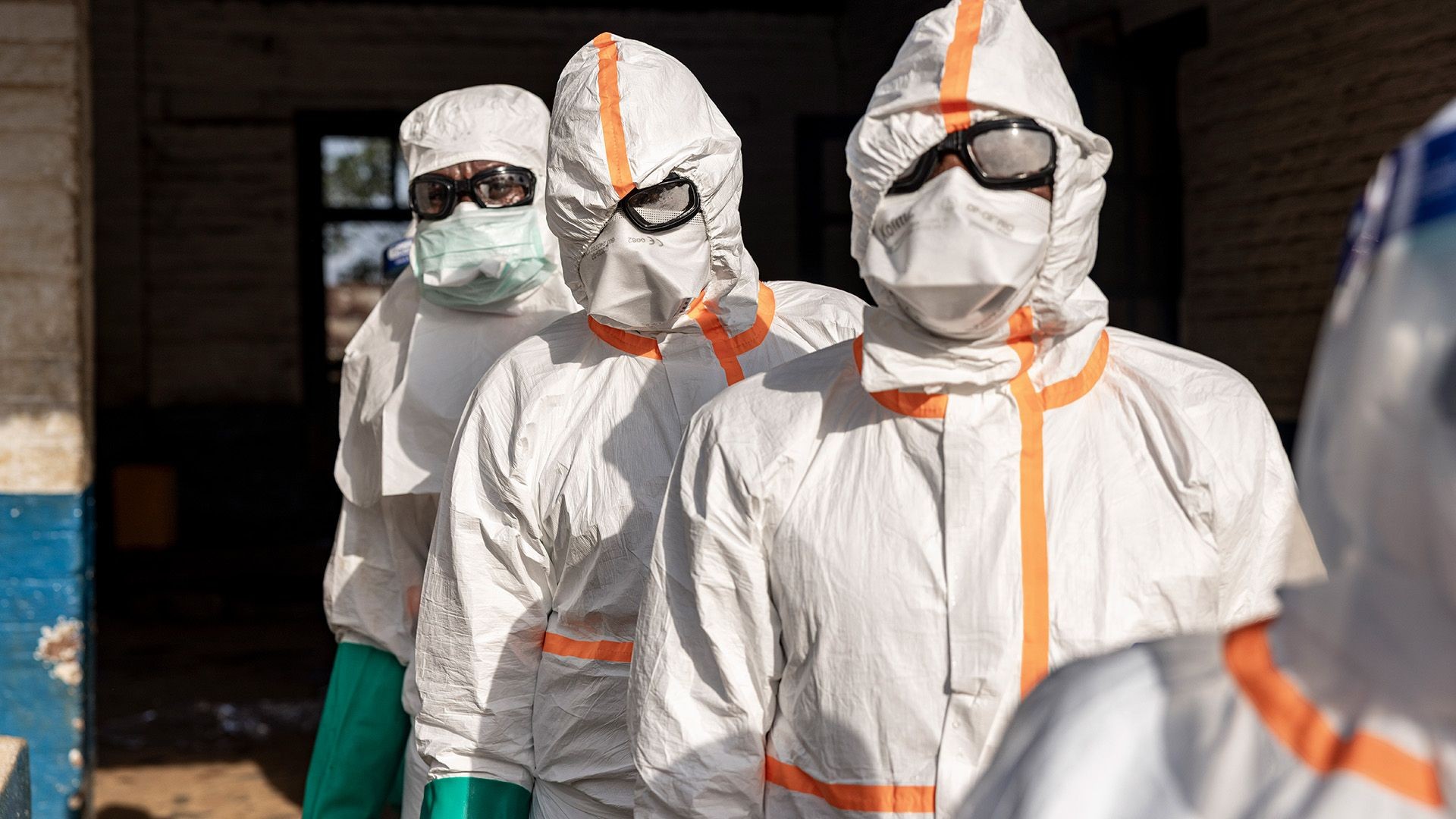
You track contacts. You quarantine them. You use PPE. Strict infection control protocols save lives. They also require a functioning health system.
Ituri Province does not have one.
Northeastern DRC is a zone of perpetual conflict. Armed groups have operated there for decades. Now, the violence is spilling over into neighboring Kivu provinces. The M23 rebel group, backed by Rwanda, holds significant territory, fracturing control between government forces and insurgents.
Joshua Walker, director at the NYU Congo Research Group, notes the eerie similarities to the 2018 outbreak in North Kivu. That crisis also suffered from fractured territory. But this time, the infrastructure is even worse.
Foreign aid collapsed.
USAID, previously the largest donor in the region, shut down its operations in DRC last year. Overnight, the eastern DRC lost about 70% of its humanitarian funding. Other donors followed suit. Clinics closed. Supplies ran dry. Community health workers left.
Dr. Manenji Mangundu from Oxfam, who is on the ground, paints a stark picture. Displaced families crowd into churches and schools. Sanitation is minimal. Water is scarce. And communities remain culturally committed to traditional burial practices involving physical contact with the deceased.
Handling bodies without gloves. Without masks.
This isn’t ignorance. It’s culture. It’s deep-rooted. Changing behavior in a conflict zone without adequate funding or trust is nearly impossible.
“Funding cuts directly do not cause outbreaks,” Mangundu warned, “but they do weaken the very systems meant to prevent small crises.”
So they become large ones.
Lessons We Might Have Missed
Walker points out a historical pattern that hasn’t changed much. Previous international responses tended to bypass the local Congolese health ministries. Outsiders came in. Set up their own systems. Viewed locals as partners in name only, or worse, obstacles.
This bred suspicion. It eroded trust. Trust is the single most important asset in an Ebola outbreak. If people hide sick relatives from responders, the chain breaks. The chain is broken.
The international community claimed to have learned from the failures of the last decade. They built capacity. Or so we thought. Then the funding dried up. The capacity evaporated.
The DRC has the knowledge. The personnel are there. The framework exists.
It lacks the money. The bullets. The safety nets.
Global leaders are watching the case numbers climb, whispering about global consequences. They ask for coordination. For urgency.
But until resources return to the ground—real, sustained support for the local systems—the math remains unforgiving.
Will we fund the prevention? Or will we fund the panic later?