Medical researchers are venturing into uncharted territory by attempting to use stem cells to repair spinal cord damage in human fetuses. This pioneering approach aims to move beyond merely “patching” defects, seeking instead to actively regenerate nerve tissue before a child is even born.
The Challenge: Beyond Physical Closure
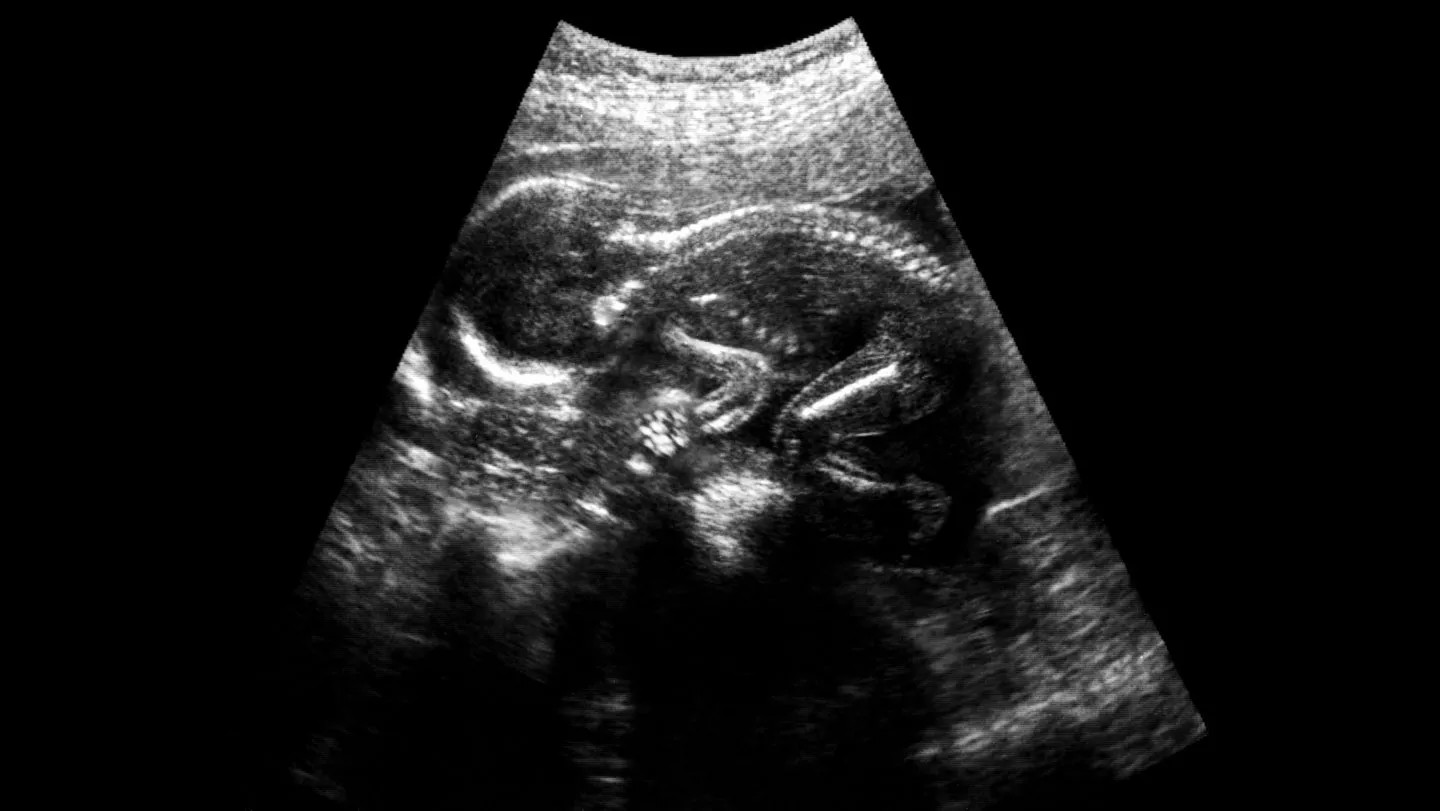
Spina bifida is a congenital disorder where the spinal column fails to close properly around the spinal cord. In the womb, this leaves the delicate neural tissue exposed to amniotic fluid—which acts like a chemical irritant—and physical trauma from the uterine walls.
While current standard-of-care procedures involve in utero surgery to surgically close the opening in the spine, this method has a significant limitation: it is a mechanical fix, not a biological one.
“Traditional fetal surgery to patch up the spine can limit the scope of these problems—but it does not repair nerve damage that has already occurred.”
While prenatal surgery has successfully reduced the need for brain shunts and improved walking capabilities, many children still face lifelong paralysis and loss of bladder or bowel control. The goal of this new research is to address the underlying nerve degradation that occurs during pregnancy.
The Innovation: The Stem Cell “Magic Patch”
Led by Dr. Diana Farmer of the University of California, Davis, a research team has developed a method to deliver regenerative power directly to the site of injury.
The process involves a sophisticated bioengineering approach:
– The Product: Scientists use placental stem cells grown in a specialized nutrient bath.
– The Delivery: These cells are loaded onto a thin, flexible, plastic-wrap-like patch.
– The Mechanism: Once applied to the exposed spinal cord during surgery, the cells release a “molecular concoction” designed to protect dying neurons and stimulate new growth.
The cells are not intended to remain in the body forever; rather, they act as a temporary biological toolkit to jumpstart the repair process.
From Animals to Humans: A Proven Concept?
Before moving to human trials, the team spent over a decade testing the technology in animal models, yielding highly encouraging results:
– In Sheep: Fetal sheep treated with the stem cell patch showed superior ability to walk, stand, and move their hind legs compared to those receiving only a standard patch. They also showed improved bladder and bowel function.
– In Bulldogs: Postnatal treatments in dogs resulted in “remarkable” improvements, allowing animals to run and play despite having previously lacked control over their hind legs.
The Current Human Trial: Safety First
The transition to human patients is a “seismic shift” for the field, but researchers are proceeding with extreme caution. In an initial study published in The Lancet, six fetal patients were treated with the stem cell patch.
The primary findings so far focus on safety:
– No infections were reported.
– No tumor growth was observed.
– The procedure did not interfere with the natural healing process.
However, the most critical question—does it actually restore function? —remains unanswered. Because the treated patients are currently toddlers, researchers must wait several more years to conduct long-term follow-up assessments.
Looking Ahead: Obstacles and Opportunities
While the potential is vast, the path to widespread clinical use is long. Experts highlight several hurdles:
1. Maternal Risk: The current surgical technique requires a larger uterine incision than standard repairs, which may pose higher risks to the mother.
2. Logistics and Scalability: Producing specialized, cell-impregnated patches is a complex process that not all hospitals can currently perform.
3. Broader Applications: If successful, this technology could eventually be adapted to treat spinal cord injuries in adults.
The research team is now expanding the trial to include 35 additional patients, monitoring them until age six to evaluate both long-term safety and functional efficacy.
Conclusion: This experimental stem cell therapy represents a shift from purely structural surgery to biological regeneration. While it is too early to claim a cure, the successful transition from animal models to human safety trials marks a potentially transformative era in fetal medicine.