A guy in his twenties went into an Edinburgh eye clinic. He said his right eye was acting up. Flashes of light. Dark spots drifting around. The classic signs of trouble. He had this stuff going on for six straight days. Otherwise, he was fine. Healthy. No drug use, no eye history, just a pair of glasses for mild nearsightedness.
Doctors put his glasses on. Checked the vision. 6/6. Perfect. Eye pressure normal too. You might think, good riddance. Go home. But then they looked at the retinas.
That’s where it got ugly.
The retina is the light-sensitive lining at the back of the eye. This guy had torn it. In both eyes. On the right side, doctors found bruising and multiple tears. Plus something rare called retinal dialysis. This isn’t a normal rip. It’s where the retina starts separating from its outer edge. If you ignore this, it leads to detachment. Blindness follows close behind. The left eye wasn’t faring better either. Six horseshoe-shaped tears sat there waiting to happen.
These kinds of injuries usually come from trauma. A punch. A sports hit. Something violent. So the doctors dug deeper. They asked him to look back.
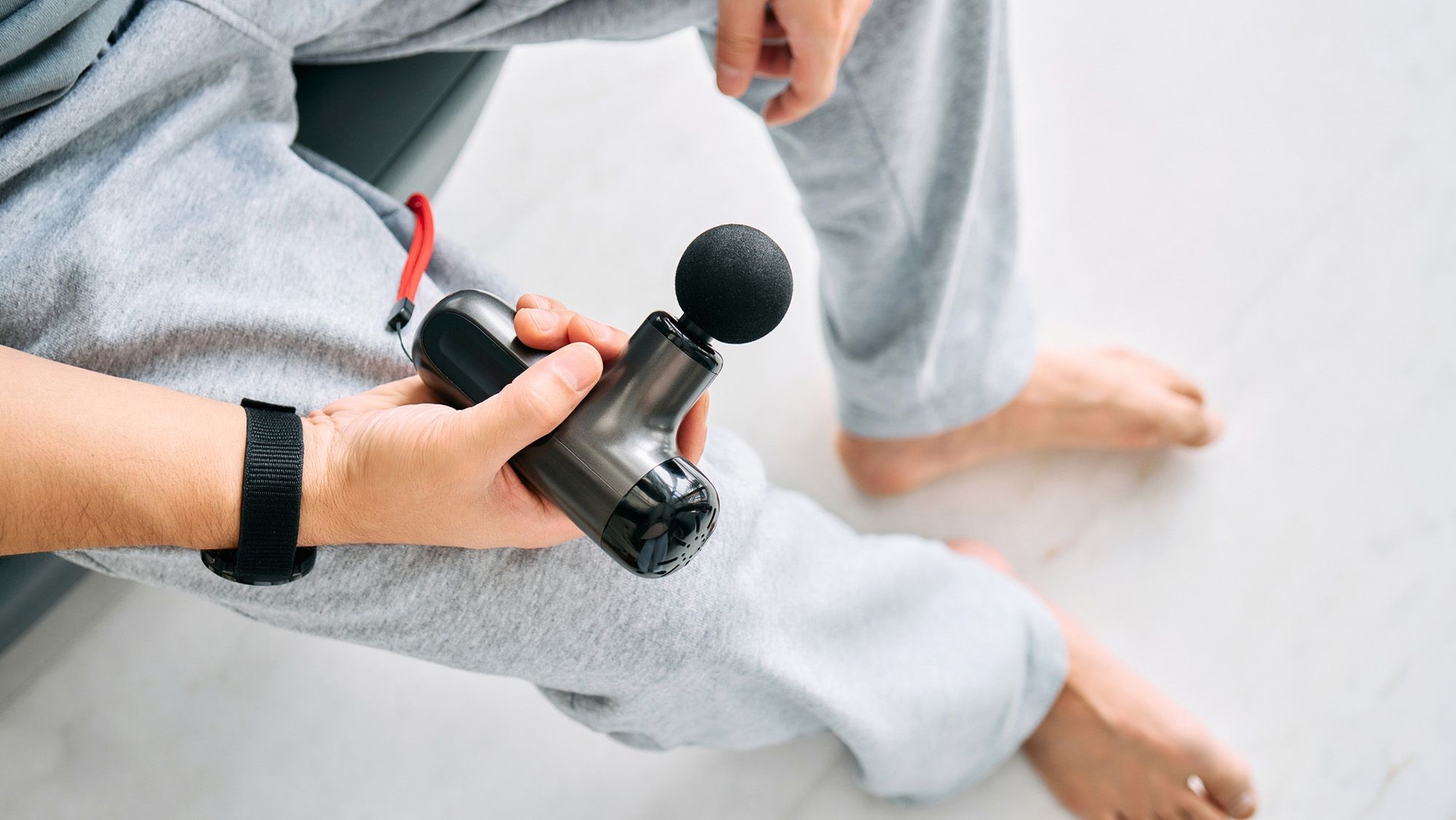
The patient was what you’d call a hesitant historian. He held out on them. Until later. That’s when he dropped the bomb. He had been using a percussion massage gun on his eyes. Directly. For three months.
Why? Just a “feeling of tiredness.”
He bought the thing himself. Used it weekly for minutes at a time. No doctor told him to do it. No manual said “please apply vibrating pressure directly to your eyeball.”
Massage guns pump high-frequency pressure into muscle tension. They work for sore calves. Maybe tight shoulders. Your eyeballs are not a knotted trapezius muscle.
Here is how the physics failed him. Your eye is full of gel-like fluid. Keep its shape nice and round. The massage gun pressed down. The shape distorted briefly. Just for a moment. Then it bounced back. Repeat weekly. For months.
That repetitive stress put the retina under strain. It snapped.
The location of the tears confirmed it. Standard retinal dialysis happens on the bottom edge. Lateral impact, like getting hit in the side of the head. This guy’s tears were at the top. Forward pressure. Exactly where he held the gun.
The treatment was quick and painful in a clinical sense. Laser therapy. They burned specific spots to create scar tissue. The scars act like glue. They seal the retina so fluid doesn’t seep underneath. The dialysis got “barrier laser therapy” for a protective wall of scars.
It worked. He kept his vision.
Six months later he was stable. No cataracts forming. No further damage. Doctors credited his quick action. He went in as soon as the flashes started. Had he waited, he’d probably be blind in that right eye.
Why should you care? Because nobody talks about this risk.
Eye injuries from massage guns are rare in literature but horrifying when they happen. One 69-year-old developed glaucoma and lens dislocation. A 38-year-old woman got a dense cataract and lost vision. This Edinburgh man is the first reported case of massage-gun-induced dialysis.
Usually, this injury requires car accidents. Or being poked by a baseball. This young man had no risk factors. He wasn’t severely nearsighted. He wasn’t old. The device did all the work.
These things are everywhere now. Sold in big-box stores for home use. But there are no safety guidelines. None. The manufacturers aren’t warning you to stay away from the temples or the lids.
The extent of the damage raises concerns about improper use.
So yes, maybe the fatigue was real. But the cure was worse. We assume self-care devices are benign because they feel like they do nothing more than vibrate.
Vibration transmits force. Force moves matter. Matter in your eye is delicate.
You might be thinking it can’t happen to you. Maybe not today. But the next time you reach for the gun to “relieve tension” on your face, consider the anatomy. Or just use some eye drops. The laser scars look pretty in charts but feel awful in the dark.