



It started with Tamagotchi in 1997. Then came Neopets in 1999. Two British students built a website that turned caring for fake animals into a puzzle game. The site exploded in popularity. It made money quickly. Marketing and games mixed together.
But not everyone liked it. Critics worried about ads targeting kids. Some feared the CEO’s Scientology ties. We look at who built Neopets and why people hated it.
Neopets Basics

The Basics of Virtual Pet Ownership
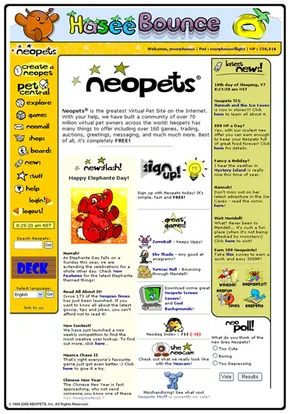
Neopets is exactly what it sounds like: a website where you raise digital creatures. It’s free to join. The platform survives on ad revenue and marketing deals, a model we’ll dig into later. You get four pets per account. Fifty-three breeds exist, mixing real animals with fantasy beasts.
Care isn’t hard. Feed them every few days. That’s the baseline. You can boost their IQ by reading books aloud to them. Items drop in from games. You can buy them too.
Understanding Neopoints and Value
Everything runs on Neopoints. This is the currency of Neopia, the fantasy world inside the site. A cheeseburger costs 200 points. Rare items? Tens of thousands. You earn points by playing games or completing surveys.
There are three main ways to fill your wallet:
- Playing over 140 games.
- Filling out marketing surveys.
- Selling items in the shop or auctions.
Gamification as Income
The games range from simple memory matches to complex 3D actioners. Some tests dexterity. Others check vocabulary. It’s not just about killing time. It’s about strategy. You can also sign up for affiliates. Or list items for auction. The economy is player-driven.

The Story That Shapes Neopia
Neopets doesn’t just let you play. It lets you influence. The creative team crafts storylines that actually reshape Neopia. You’re not passive. You drive the plot.
How? By playing specific games. By solving puzzles. The outcome isn’t just high scores. It’s world-building. A new area appears. A villain vanishes. The Tyrannia invasion is a prime example. Monsters stormed in. You fought them off in the Tyrannian Battledome. The result? The story moved forward because you engaged with it.
This isn’t lore for lore’s sake. It’s engagement strategy disguised as fantasy.
Why Neopets Is So “Sticky”
Here’s why Neopets remains one of the web’s stickiest sites. It’s not just nostalgia. It’s mechanics.
- Agency: Players believe their actions matter. They don’t. But it feels real.
- Investment: You spend hours. Hours become months. Months become years.
- Community: You’re not alone. You’re part of a shared narrative.
This stickiness isn’t accidental. It’s engineered through interconnected systems. Play a game. Solve a puzzle. See the world change. Repeat.
Where Else Have Neopets Appeared?
Beyond the browser, Neopets has spilled into other media. Licensing deals brought pets to physical goods. Movies were pitched. Games expanded. The brand didn’t stay confined.
But the core appeal? It’s still the story. It’s still the feeling of shaping a world. Even if that world is pixelated and distant.
What happens when the next storyline drops? You’ll be there. Playing. Solving. Waiting.

Neopets claims a title that most web developers would kill for. They call it one of the “stickiest” sites on the Internet. The stats back it up. Users spend an average of six hours and 42 minutes per month on the platform. That is not a casual browse. That is immersion. How does a simple pet-raising game lock people in for that long? It isn’t magic. It is a masterclass in engagement design.
The Content Treadmill
The first reason you stay is that there is always something to do. You never run out of options. The sheer volume of content feels endless. Play a game. Check for rare items. Solve a puzzle. The variety prevents boredom. If you get tired of one activity, another is waiting. This high-quantity content strategy ensures that every visit feels fresh. You leave thinking you have more to explore tomorrow.
Daily Freshness
Loyalty grows when the site feels alive. The Neopets team does not sit still. They add new games, contests, creatures, storylines, and items almost every day. You come back because you want to see what changed overnight. If you miss a day, you might miss a limited-time event. That fear of missing out drives daily logins. The platform evolves constantly. It rewards those who pay attention.
Building a Tribe
It is not just about the pets. It is about the people. Neomail, Neofriends, and the message boards create a social layer. Users talk to friends. They make new ones. They share strategies and stories. This community aspect adds emotional weight to the time spent. You are not just playing a game. You are hanging out with friends. Social bonds keep people coming back long after the novelty wears off.
The Infinite Grind
There is no final boss. No ultimate goal to beat the game. There is only accumulation. Users are rewarded with Neopoints and items for returning and spending time. It is a simple loop. Log in. Play. Earn. Repeat. The lack of an endgame means the grind never stops. You always want one more item. One more point. The satisfaction comes from collecting, not finishing.
Viral Growth
Neopets also incentivizes growth. The referral program rewards users who recruit others. If you bring in a friend, you get benefits. This turns loyal users into marketers. They spread the site organically. It is a self-perpetuating cycle of acquisition.
Beyond the Browser
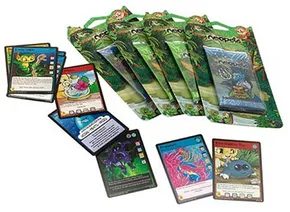
The brand expanded far beyond the website. Licensing deals brought Neopets into the physical world. Wizards of the Coast, known for Dungeons & Dragons and Magic: The Gathering, produced the Neopets Collectible Card Game. Each pack has different cards. Some are rare. You build your own deck. The goal is to defeat your opponent’s Neopets in arena battles. It adds a strategic layer to the IP.
Each card pack includes a code. You enter it on the Neopets site for special items. This bridges the physical and digital worlds. It makes the online experience feel more tangible.
Toys and Consoles
Thinkway Toys held the license for 6-inch action figures and plush versions of the creatures. Fans could hold their pets. They could display them. It was merchandise for the dedicated.
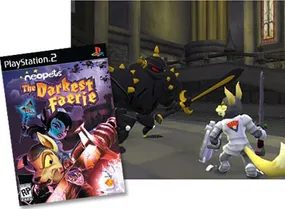
In 2004, Sony Software Entertainment released Neopets: The Darkest Faerie for the PlayStation 2. The adventure game let players control two different Neopets. The quest was to defeat the evil Darkest Faerie. It expanded the

The big news on the horizon for Neopets isn’t just code patches or new pets. It’s a feature-length Neopets movie. Warner Bros. is behind the distribution, leveraging their existing multi-picture deal with the site to bring the virtual world to theaters. The target release date is 2006, and the animation duties are going to John A. Davis. You might know him from Jimmy Neutron: Boy Genius. If that sounds like a safe bet for family-friendly CGI, you’re right. This signals that more Neopets films are likely in the pipeline once this one lands.
The Road to Ownership and Revenue
Before we dig into the financials, it’s worth pausing. How does a free game make money? And who actually owns the keys to the kingdom? We’ll get to the ownership structure and the origins of the site soon enough. But first, there’s a shift happening right now that affects every daily visitor.
Neopets Premium Explained
The core experience remains free. That’s not changing in the near future. But the company is rolling out a paid tier called Neopets Premium. It’s not just a badge; it’s a functional upgrade to the user experience.
Here is what you actually get for $7.99 per month :
- Ad-free browsing. No more pop-ups interrupting your daily login.
- Customizable Homepage. A Neopets portal similar to My Yahoo, letting you curate your feed.
- Exclusive Message Boards. Private forums for premium members to chat without the noise.
- Neopets Webmail. A dedicated email address tied to your account.
- Enhanced Marketplace Tools. A superior search function for the Shop Wizard. Finding that specific item without scrolling through pages of duplicates saves serious time.
- Earning Advantages. Better odds at finding rare items and slightly boosted Neopoint returns.
The value proposition is clear for power users. If you spend hours grinding for rare items or managing a bustling economy, the shop search and earning boosts pay for themselves quickly. For casual browsers? Maybe not so much.
Behind the Scenes
The infrastructure supporting this economy is complex. We’ll soon look at who owns the IP, how the site was originally built, and the business model that keeps the lights on. But for now, the choice is simple. Stick to free, or pay to optimize. The movie is coming in 2006. The premium service is starting now.
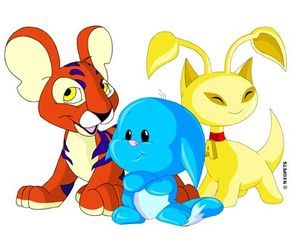

It began as a college project gone slightly too right. Two British students, Adam Powell and Donna Williams, launched Neopets in 1999. Powell handled the code. Williams drew the pets. They built it for their peers, stuffing the early interface with inside jokes and Britishisms that still linger today. You will still find “grey” spelled the Brit way in the settings menu.
They didn’t expect it to explode.
The popularity hit them like a freight train. They needed help. They needed money. They needed to sell.
Enter Doug Dohring. A market research expert, he bought the site. He kept the original creators on staff, which was a rare move in Silicon Valley’s grab-and-go culture. He relocated the headquarters to Southern California. His vision? Not just a game. A “media empire.”
By June 2005, that empire had a price tag. MTV, a division of Viacom, purchased Neopets for $160 million. Dohring stayed on during the transition. The numbers were staggering. The site reported 92 million accounts. Even when you stripped out the multi-account fraudsters, you were looking at roughly 30 million unique users.
Think about that demographic split. It breaks every stereotype about early online gaming.
Children under 13 made up 39 percent of the user base. Another 40 percent were teenagers between 13 and 17. Only 21 percent were adults over 18. But the real shocker wasn’t the age. It was the gender.
57 percent of Neopets users were female.
In an online gaming landscape dominated by male players, that percentage was an outlier. A massive one. Neopets hadn’t just survived; it had cultivated a community that looked nothing like the typical gamer profile of the era. Did anyone really see that coming when they were drawing pixelated pets in a dorm room? Probably not. But the data didn’t lie. The empire had been built.
Immersive Advertising Explained
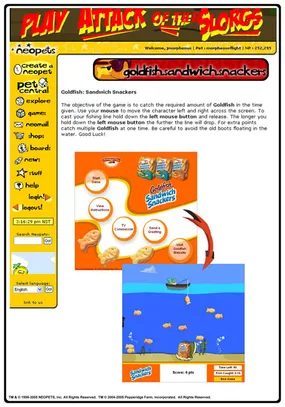
The revenue model wasn’t a secret. CEO Steve Dohring called it Immersive Advertising, but let’s call it what it is: branded games disguised as fun. You aren’t just playing a Neopets mini-game. You’re answering trivia about a specific TV show or toy line. The line between content and commercial is blurry.
Players could buy McDonald’s food for their virtual pets. They could engage with a Pepperidge Farm game. One taxi ride required using a kid-designed cell phone to send messages. The hardware maker sponsored that interaction. It was product placement on a massive scale.
Retail and Data: The Dual Engine
Games weren’t the only cash cow. Retail sales pulled their weight too. The Neopets Collectible Card Game (CCG) moved units. Plush toys, action figures, and a PlayStation title all contributed to the bottom line.
But the data was the goldmine. Neopets held a massive research database on children 12 and under. This demographic is notoriously hard to reach legally. Marketers have to navigate the Children’s Online Privacy Protection Act (COPPA). Parental consent is mandatory. Most companies shy away from the liability. Neopets jumped in.
They claimed over 50,000 kids in their marketing database. That number represents unparalleled access. The company sold market research to other firms. They didn’t sell personal data. They sold insights. The press kit boasted about this unique access to young people. It was a legitimate business asset built on trust and compliance.
The Infrastructure Behind the Fun
How did they support it? The tech stack was robust for the era. By January 2006, Neopets ran on 300 Linux-based servers. They pumped out 1.7 gigabits of bandwidth every single day. That’s a lot of virtual pet care.
The infrastructure handled the load. The advertising worked. The retail sold. But the model had cracks.
Trouble in Neopia
The easy money from ads and data didn’t last. Problems emerged.

Online communities attract trouble. Neopets is no different. Swindlers and cheaters flock to the site. The company fights back with two main tactics: education and account freezing. They maintain a Wall of Shame page. It details common frauds. Some players act as self-appointed Newbie Guardians. They help newcomers avoid pitfalls.
Account freezing is the ultimate punishment. It is the Neopian death sentence. Suspicious behavior triggers it. The account is frozen permanently. You can make a new one. But all Neopoints are lost. Items vanish. Benefits are gone forever.
Longtime players fear this. They have invested years. Freezes can feel arbitrary. Sometimes users violate rules without knowing it. Consider in-game events. They allow visits to a page once per day. Rare items drop there. A bug existed. It let players get the item multiple times. Players who claimed extra items got frozen. They didn’t know it was a bug. They just forgot.
“Account freezing is the Neopian death sentence.”
How to Avoid Neopets Scams
Neopets scams mirror internet phishing. They steal data. Not bank numbers though. They want passwords. They want associated email addresses. The scams take many forms. You can avoid them with one rule. Never give out your password. Not for any reason.
Gambling and Child Safety Concerns
The site faces criticism from parents. Consumer advocates worry too. Neopets targets children. Kids might not grasp the line between game and ad. Immersive Advertising places corporate games next to unsponsored ones. The site added a disclaimer. It reads “This Page Contains Paid Advertisements.” It appears near the bottom of pages. But it is on almost every page. It does not help kids tell ads apart.
Gambling games caused another flap. Parents were upset. Young children were learning to gamble. The games mimicked casinos. Neopets responded. Accounts under age 13 lost access to gambling games. There is no verification process though. A child can lie about being 18. They can still play.
Neopets claims safety is a priority. Monitors watch chat rooms. They monitor message boards 24/7. They remove offensive language. They check for personal info posting. They prevent online predation. The site follows Children’s Advertising Review Unit (CARU) guidelines.
Exploring Neopia
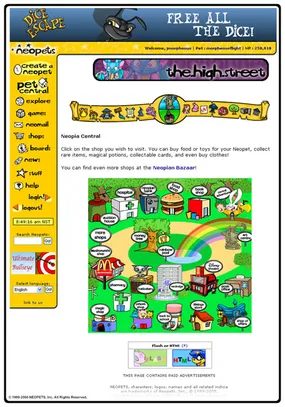
Neopia is a fantasy world. It is populated by Neopets. Other characters exist too. Good and evil alike. The world is divided into areas. Each has unique characteristics. You access them via the Neopian World Map. Click an area to enter. Links to games and shops appear within.
Neopets and Scientology


The Scientology Connection at Neopets
The link between Neopets and the Church of Scientology isn’t just gossip. It’s documented. Neopets CEO Doug Dohring has deep roots in the organization. He is listed on the Hubbard College of Administration website. This site claims he uses “Administrative Technology” created by L. Ron Hubbard. Dohring has also received awards for donating over $250,000 to Scientology-related causes.
On one Scientology site, Dohring is explicit. He wrote that he has used Hubbard’s technology in every business activity for nearly two decades. He stated that Hubbard’s organizational concepts are always with him. Virtually every aspect of running his companies involves this administrative technology.
Dohring confirmed this in an interview with Wired magazine. He called Hubbard’s management technology “very powerful.”
What Is Hubbard’s Management System?
What exactly are these principles? Hubbard’s Administrative Technology is based on the Org Board. This stands for organizing board. The system creates seven divisions within a company. The divisions are executive, personnel, sales, finance, training, marketing, and qualifications. Each division has three subdivisions.
The Church of Scientology website states that Hubbard developed this system in 1965. Hubbard told a different story in a 1965 lecture. He described the Org Board as a system used by a galactic civilization for 80 trillion years in the past. He claimed his system is an improvement on that existing structure.
Rumors vs. Reality
No one has claimed that aspects of Scientology exist on the Neopets website itself. The platform runs on standard web technologies. Yet, unsubstantiated rumors persist. Some believe employees are encouraged to convert to Scientology. These rumors remain unverified.
Despite the controversies, the Neopets empire shows no signs of slowing down. As of February 2006, Neopets claimed over 100 million users. The site hosted over 150 million individual pets.
The company was preparing to enter another lucrative market. They planned to jump into cell phone ring tones and wallpapers. The expansion continued. The addiction continued. The debate continued.


