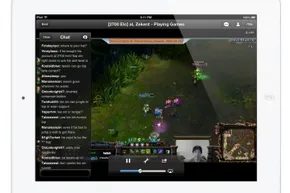
It wasn’t always just Twitch.
Back in the day, you could broadcast your gameplay on Justin.tv. That’s where Twitch was actually born. You had Ustream.tv. Google Hangouts. YouTube. The landscape was messy, fragmented, and honestly? A lot of fun if you liked digging for content.
YouTube remains the heavyweight champion of video hosting. But it’s not just a library of uploaded clips. The “Let’s Play” culture exploded there. Felix Kjellberg, better known as PewDiePie, isn’t just a guy playing games. He’s a monument to the format. With over 27 million subscribers, he surpassed YouTube’s own official channel. That’s not a typo. That’s the power of personality-driven gaming content.
Then there’s Machinima. A multi-channel network that racked up 11 million subscribers. They mixed serial fiction with gaming, proving people wanted narratives, not just raw footage. YouTube Live exists too. Dedicated channels. Real-time action. But for a long time, it felt like an afterthought to the main algorithm.
Twitch is different.
It doesn’t do vlogs. It doesn’t do cat videos. It does one thing, and it does it aggressively. Live gameplay.
The traffic numbers from 2014 are still wild to look at. In the week ending February 3, 2014, Twitch handled 1.8% of all peak web traffic by bandwidth.
Think about that.
It was fourth globally. Behind Netflix. Behind Google. Behind Apple. Ahead of HBO Go. Ahead of Hulu. Ahead of Facebook. Ahead of Amazon.
By April 2014, Qwilt reported that 44% of all live streaming web traffic went through Twitch. Not video on demand. Live streaming. Almost half of the entire live web pie.
So why does Twitch still matter?
Because it captured the intent. People didn’t want to watch a highlight reel. They wanted to be there. Now. With the streamer.
How to Start Streaming on Twitch for Free
You don’t need a budget to start. You don’t even need an account to watch. But if you want to broadcast, you need to sign up.
It’s free. Completely free.
How do you set it up?
On a PC, you go to twitch.tv. Click sign up. Top right corner. You need a username, a password, an email, and your birth date. Done.
On mobile, it’s slightly more involved. Download the app. Tap sign up. Enter your details. You’ll need a phone number. Twitch sends a six-digit code. You type it in. Verified.
There are desktop apps for macOS and Windows. There are TV apps for Chromecast, Apple TV, and Fire TV. The ecosystem is closed, but it’s accessible.
Why Twitch Streamers Make Money (And Who Doesn’t)
Here is the harsh reality.
Most Twitch streamers earn $0.
Not much. Zero.
But the top tier? They are printing money.
Expert streamers, the ones grinding 40 hours a week, can pull $3,000 to $5,000 a month. That’s before subscriptions kick in. The average payout is roughly $250 for every 100 subscribers.
The elite? The top four streamers were estimated to earn between $2 million and $5 million per year.
That is a massive gap. The pyramid is steep. But the ceiling? Non-existent.
Is it sustainable?
The traffic suggests yes. The bandwidth numbers say yes. The culture says yes.
Game streaming isn’t a fad. It’s a utility.
Twitch didn’t invent it. But it monopolized the feeling of being in the room with someone else as they play. YouTube has the archives. Twitch has the moment.
Which do you prefer?
You probably watch both. But when you want to talk back? When you want to feel like you’re part of the crew?
You go to Twitch.
It’s still the default. And it’s not going anywhere.