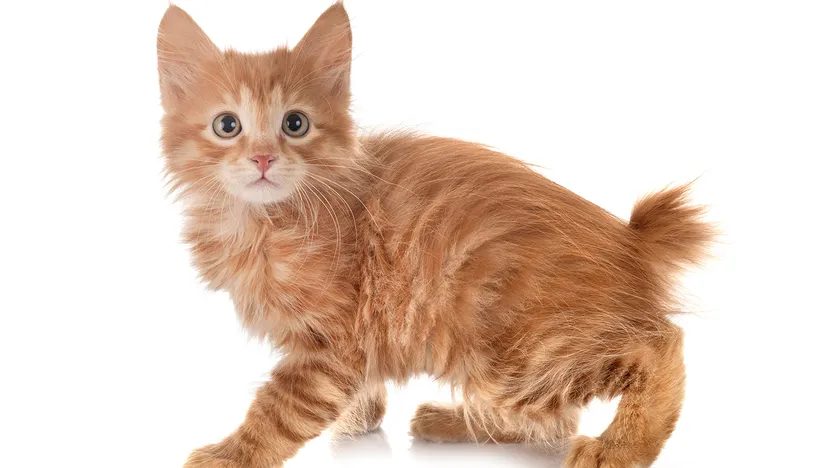
Imagine a cat that looks like it survived a week in the Alaskan wilderness. Fur matted, eyes sharp, ready for the wild. Now imagine that same animal kneading your hands and purring when you rub its ears. That’s the bobtail.
Most cats have tails that act as rudders and balance them when jumping or navigating tight fences. Bobtails? They have a nub. Or a curl. Or a kink. The variety is weirdly charming. But this isn’t just a cosmetic quirk. It’s a genetic marker. It’s evolution taking a shortcut. And in some cultures it is a symbol of good luck.
These cats are more than just a novelty. They span continents. They come in different coats, different sizes and different temperaments. Some look wild. Some are lap cats. And for dog lovers turned off by aloof feline stereotypes, the bobtail could be a gateway drug to cat ownership.
Anatomy of the short tail
Let’s get the basics right. A typical domestic cat’s tail can be as long as the rest of its body. The bobtail’s tail is significantly shorter. We’re talking inches, not feet. The shape varies greatly. You may see a tail that curls like a question mark, kinks like a broken twig, or just ends abruptly.
This is usually not the result of human surgery or accidental trauma. In most cases, it is a naturally occurring genetic mutation. Sometimes breeders have leaned into it and selected the trait to stabilize it in a particular line. The responsible gene affects the development of the vertebrae in the tail area. Fewer bones mean a shorter tail. Simple but effective.
Look at the American Bobtail or Jungle Curl. They have a rugged, almost primitive aesthetic. Their hind legs are often longer than their front legs. This gives them a distinct, sloped back profile. It changes their posture. It changes the way they walk. They move with the bit of a wild cat’s grace, even while sleeping on your pillow.
Don’t let the looks fool you. These cats are often incredibly social. They build strong bonds with their families. They want to be involved in what you do. They don’t hide under the couch. They watch you cook.
5 Bobtail breeds around the world
The Bobtail is not one breed. It’s a trait found in many different breeds around the world. Each of them developed their short tails for different reasons – some for utility, some for aesthetic reasons, some simply by chance.
1. American Bobtail
This breed originated in the United States, but its origin story is surprisingly specific. It comes from a stray kitten found on an Indian reservation in Arizona. The kitten was named Yodie. He had a short tail. He was rugged. He was handsome.
John and Brenda Sanders, the couple who found him, bred Yodie with their own cat. The offspring inherited a short tail and a rugged look. They decided to breed for it.
The result is a medium sized cat with semi-long coat. It has a broad chest and a powerful build. But personality? That’s where things get interesting. The American bobtail is known for its dog-like. They enjoy
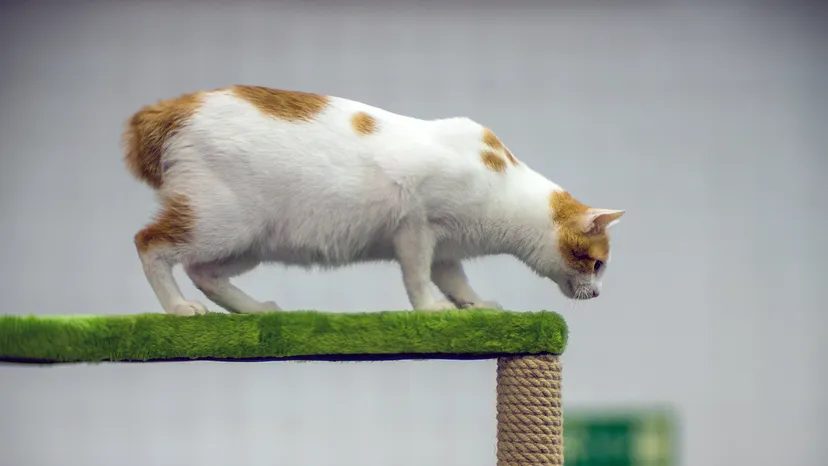

Forget the ornate Persian. If you want a cat that really works, look no further than the Kurilian Bobtail. This isn’t just a pretty face with a tassel tail. They are ancient, energetic and highly intelligent hunters. In Japan, they are considered symbols of good luck. But their value goes beyond superstition. They are fantastic mousers. Their tails look like balls of fluff, but their personalities are pure fire. Singing, active and deeply loyal. They don’t sit around waiting for treats. They hunt them. Or they hunt mice. Depends on what’s available.
3. Pixie Bob
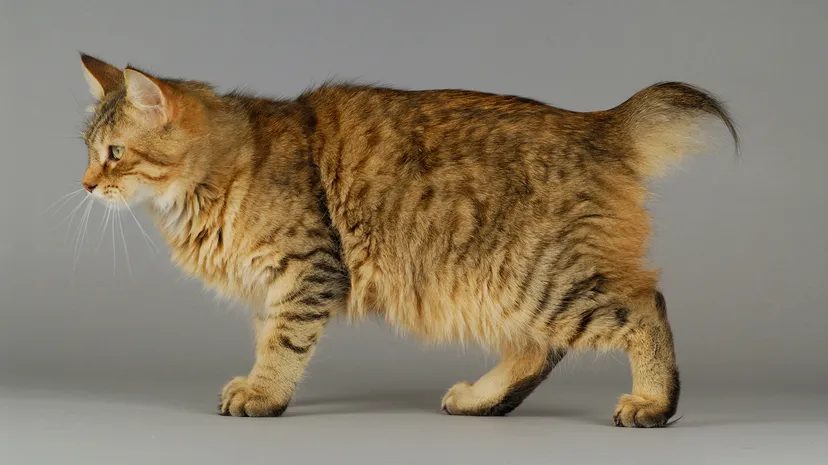
Then there’s the pixie bob. Named for its resemblance to a bobcat, this breed mimics a wild appearance with a tame demeanor. The tail is short. Sometimes even tailless. The coat is spotted. The eyes are often golden. But don’t let the wild aesthetic fool you. They are known for their dog-like loyalty. They follow you from room to room. They learn tricks. They tolerate other pets. Some even play fetch. It is a striking contrast to the high-strung energy of the Kurilian. The Japanese breed is an avid hunter, while the Pixie Bob is a down-to-earth companion. Both have a short tail in common. But their paths are completely different in nature. One seeks the thrill of the chase. The other seeks your lap.

Wild Looks, Domestic Hearts
The mystery of the American Bobtail’s lineage often invites speculation. Some whisper that distant bobcat ancestors might be hiding in its DNA, lending it that rugged, untamed look. There is no confirmed evidence for this. The truth is simpler and more practical: selective breeding shaped both its wild aesthetic and its gentle temperament. It is a domestic cat that wears a wild disguise.
Global Bobtails and Hybrid Oddities
Look beyond North America, and you find other felines with short tails. The Mekong Bobtail offers a stark contrast. Hailing from Southeast Asia, this breed is regal and sleek. It features a slim build, striking blue eyes, and a naturally short tail. It remains relatively obscure in the West, but its elegance speaks for itself.
Then there is the Jungle Curl. This hybrid breed mixes domestic cats with traits from the African Jungle Cat. The result? Curled ears and a bobbed tail. It is a unique combination of wild heritage and domestic companionship, though less common than its American cousin.
The Manx Exception
Manx cats deserve a mention, even if they technically lack tails entirely. Often grouped with bobtails due to their stubby appearance, they are a distinct case. Their genetics can sometimes lead to spinal issues, such as spina bifida. This makes responsible breeding practices even more critical for this breed. They are not just about looks; their physical health requires careful management.
The Science of the Short Tail
Why do some cats have short tails? It comes down to a specific DNA mutation. This genetic change affects tail growth and structure. In breeds like the American Bobtail, this trait is dominant. If one parent carries the gene, the kitten likely will too.
These mutations are usually harmless. However, breeders must be cautious. Improper breeding can lead to serious spinal issues. The variety in tail types is striking. You might see corkscrew curls, puffballs, or just a simple stub. It is not uncommon for two kittens in the same litter to have tails that look completely different from one another.
Life With a Bobtail
Living with a bobtail is often described as having a small dog in a cat’s body. They adapt well to households with other pets, including dogs, small animals, and even toddlers. Their demeanor is outgoing. They follow people around. Many even learn to play fetch.
Grooming needs depend on coat length. Long-haired versions require more brushing to remove loose hair. Short-haired varieties shed moderately, especially during seasonal changes. Regular grooming helps with dental hygiene and keeps their coats healthy. Despite the short tail, their body language remains expressive. The tail swishes, twitches, and puffs just like a normal one. This makes their emotions easier to read.
Key Traits of the American Bobtail
- Coat : Ranges from short to semi-long. Patterns and colors are virtually unlimited.
- Build : Stocky with a broad chest. Often compared to a feline Golden Retriever.
- Behavior : Social and outgoing. Known for their dog-like loyalty.
- Adaptability : Thrives with children and other pets.
- Colors : Includes tabby, blue, calico, and more.
Bobtails vs. Full-Tailed Cats
Without a long tail to wave, bobtails communicate differently. They rely more on posture and vocalizations. A full-tailed cat might use sweeping motions to show emotion. A bobtail uses its entire body. This shift in communication style makes them seem more expressive in other ways.
Do they sacrifice agility for this unique look? Not at all. Their balance remains intact. Powerful hind legs compensate for the lack of an aerodynamic tail whip. This physical capability contributes to their popularity. Owners value pets that are both unique and physically robust.
Debunking the Wild Myths
Urban legends persist about bobtail cats. One common myth claims breeds like the Pixie Bob are descended from wild bobcats. This idea fuels their rugged image. Experts agree it is false. They are purely domestic breeds. Their spotted coats and wild demeanor are the result of selective breeding, not hybridization.
Another legend suggests the bobbed tail deters larger predators. It gives them an edge in survival. This is not scientifically proven. It is, however, a fun nod to their wild appearance. These stories keep the mystique alive, even if the biology does not support them.
Responsible Breeding and Health
The Cat Fanciers Association recognizes the American Bobtail. Professional breeders focus on maintaining health and temperament. They celebrate the quirky charm of the bobbed tail while prioritizing well-being.
Variations exist even among natural bobtails. Breeders track lineage carefully. The goal is to ensure the tail mutation does not lead to health issues. Responsible practices include genetic screening and close observation of physical development. This prevents complications and ensures a healthy companion.
Bobtail cats make excellent companions. They combine the independence of cats with the sociability of dogs. For those seeking a unique pet, they offer a blend of wild looks and domestic love. The mystery of their past fades when you look at their present behavior. They are simply cats. Just cats with a story.