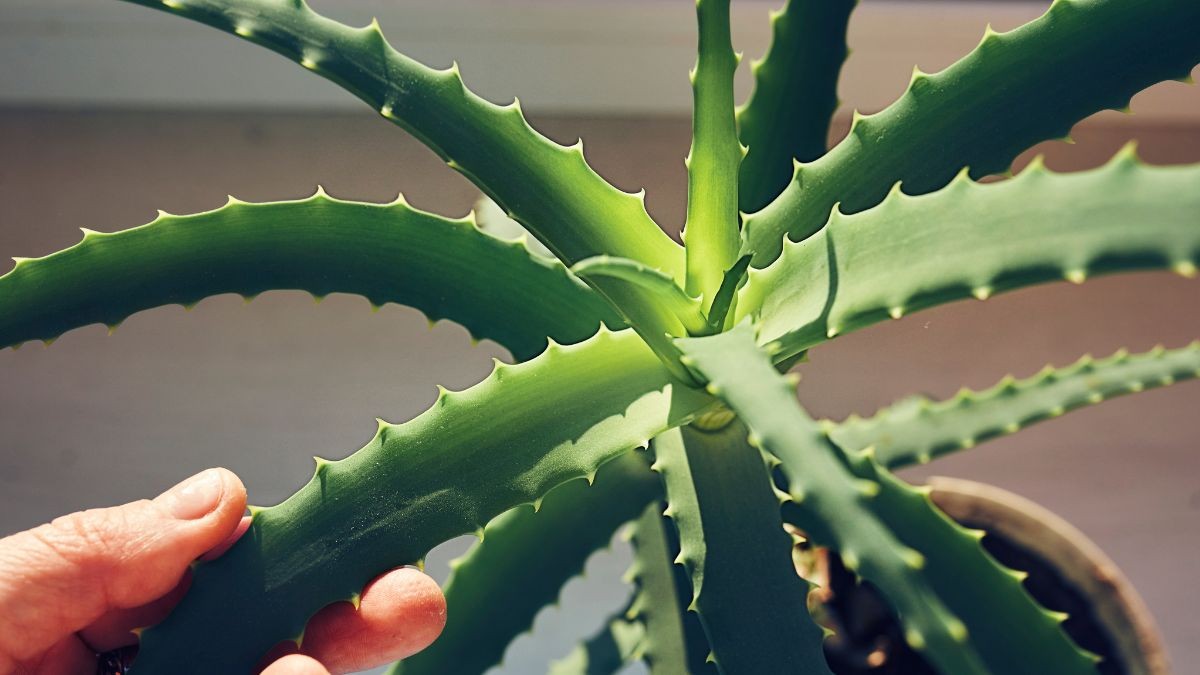
A compound found in aloe vera, called beta sitosterol, may offer a new avenue for treating Alzheimer’s disease, according to recent computer simulations. The research, conducted by scientists at Hassan II University of Casablanca, suggests the compound could effectively slow the progression of the disease by interacting with key enzymes in the brain. This finding is significant because Alzheimer’s affects over 55 million people worldwide, a number projected to surge to 138 million by 2050 as global populations age.
The Role of Acetylcholine and Enzymes
Alzheimer’s is characterized by a decline in acetylcholine, a crucial chemical messenger for learning and memory. The enzyme acetylcholinesterase (AChE) and butyrylcholinesterase (BChE) break down acetylcholine, so scientists have long investigated ways to block these enzymes to boost acetylcholine levels. The study tested 11 compounds from aloe vera, with beta sitosterol demonstrating the strongest potential for binding to both AChE and BChE.
In Silico Research: A First Step
The research was performed entirely in silico —meaning using computer models rather than lab experiments or human trials. While this limits immediate real-world application, it efficiently identifies compounds worth pursuing. Simulations assessed not just binding strength but also ADMET properties (Absorption, Distribution, Metabolism, Excretion, Toxicity) to gauge how the compound would behave in the body. Beta sitosterol and another aloe vera component, succinic acid, showed favorable results.
Why This Matters
Alzheimer’s is a complex disease with no single cause or cure. The fact that researchers are exploring natural compounds like beta sitosterol illustrates the breadth of approaches being considered. The study’s findings reinforce that multiple therapeutic strategies will likely be necessary to address this growing global health crisis.
“Our in silico approach offers a promising direction for the development of novel treatments for Alzheimer’s disease,” says chemist Meriem Khedraoui.
Although further research is needed, including lab tests and human trials, this study provides a valuable starting point. The aloe vera compound presents a potential lead in the ongoing search for effective Alzheimer’s treatments.