







The climate crisis is not a distant threat; it’s happening now, and its effects are increasingly personal. Despite widespread scientific consensus, motivating meaningful action requires framing climate change not as an abstract global problem, but as a direct and immediate risk to individuals and their communities. Recent research confirms that when people perceive climate change as a threat to their own way of life, they are far more likely to engage in pro-environmental behavior.
The Psychology of Apathy
For years, climate change has been presented as a future catastrophe, a problem for “someone else” to solve. This psychological distance allows many people to remain indifferent. Studies across six countries – Bulgaria, Greece, Nigeria, Sweden, the U.K., and the U.S. – show that participants were more motivated to support causes like ending world hunger than climate action when presented with generic messaging. The key difference? People connect more readily to immediate, tangible problems affecting others than abstract, distant threats.
Making It Personal
Researchers tested different messaging approaches to determine what truly drives action. The most effective strategies focused on:
- Psychological Distance: Highlighting how climate change directly impacts individuals and their local communities, rather than presenting it as a global issue.
- System Justification: Framing climate action as a defense of one’s own way of life, tapping into patriotic or protective instincts.
Surprisingly, approaches that relied on scientific consensus (e.g., “99% of scientists agree”) or moral appeals (e.g., invoking national pride) failed to resonate. People respond more strongly to direct threats than abstract facts.
The Flood at the Doorstep
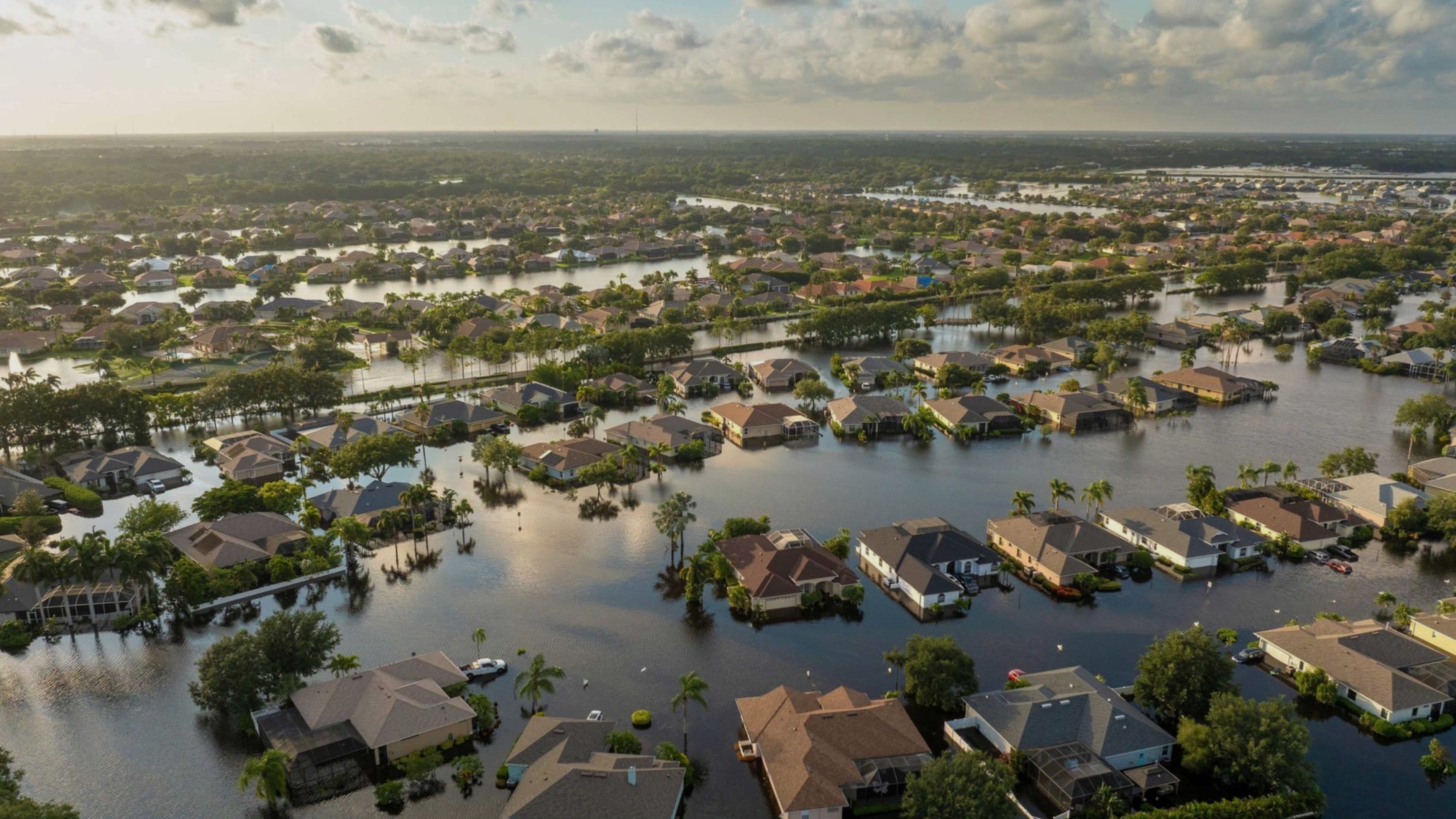
The study underscores a simple truth: humans are more likely to act when they feel personally at risk. A flood that destroys a neighbor’s home is far more motivating than a report predicting rising sea levels in another country. The urgency escalates when extreme weather events become frequent and predictable. A flood that happens once in 100 years, then again the next year, and then again… forces recognition.
“When the once in 100-year flood has happened for the third time in as many years and water is pouring under the door, it is personal and it’s at home.”
Systemic Change Starts with Individual Awareness
Addressing climate change demands systemic shifts from governments and businesses. However, those changes will not happen without public pressure. By framing climate change as a tangible, personal threat, we can bridge the gap between awareness and action. The goal is not to scare people, but to awaken them to the reality that climate change is not a distant problem; it’s a present danger to their homes, communities, and future.