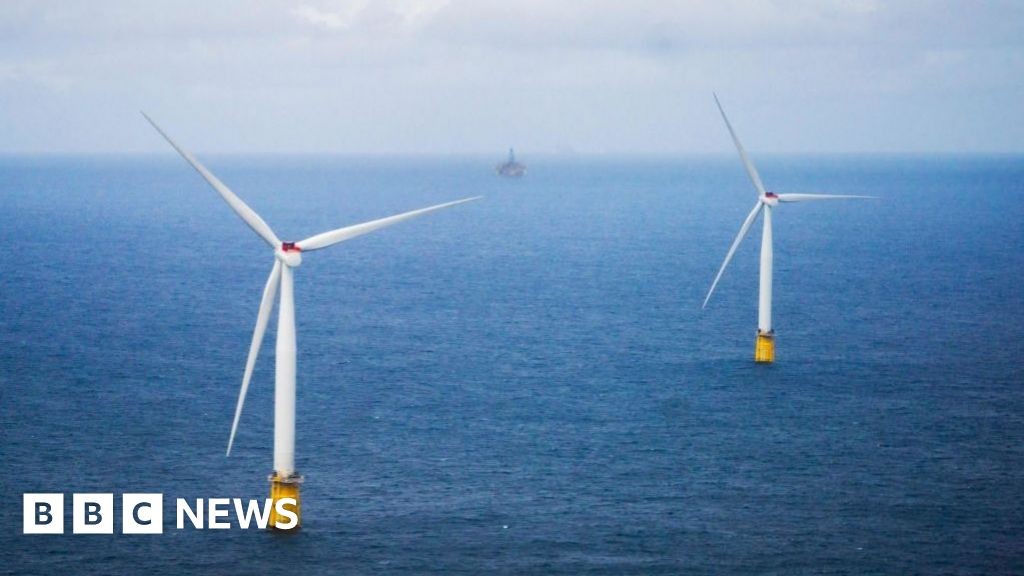
The United Kingdom is partnering with nine other European nations – including Germany, Norway, and the Netherlands – in a landmark agreement to expand offshore wind energy production in the North Sea. The initiative aims to strengthen energy independence and reduce reliance on volatile fossil fuel markets.
Shared Infrastructure, Shared Benefits… and Potential Risks
A key aspect of this collaboration is the construction of undersea power cables (interconnectors) that will directly link wind farms across multiple countries. This is unprecedented; currently, cables connect national grids, not individual wind farms. Supporters argue this will lower costs by allowing power to flow to where it’s needed most.
However, this system also introduces a competitive element: wind farm operators could sell electricity to the highest bidder, potentially driving up prices when demand surges. This dynamic requires careful oversight to ensure stability.
Political and Economic Context
Energy Secretary Ed Miliband will formally commit the UK to the project in Hamburg, Germany, with a target completion date of 2050. Industry groups like RenewableUK claim the deal will reduce costs for consumers and boost energy security. Conversely, opposition parties warn that rapid wind farm expansion may be driving up energy bills.
This debate highlights a broader tension: while renewables are crucial for long-term sustainability, their short-term economic impact is a point of contention. The UK already has ten interconnectors with Europe, and data suggests these have saved consumers £1.6 billion since 2023 by smoothing price spikes.
Lessons from Norway
Norway provides a cautionary tale. Concerns over exporting power and increasing domestic prices led to new regulations restricting electricity sales when local supply is at risk, and a rejection of a proposed interconnector to Scotland. This underscores the need to balance international cooperation with national energy security.
Geopolitical Implications
The summit will also address security concerns for offshore energy infrastructure, with participation from NATO and the European Commission amid rising fears of sabotage. This reflects a growing awareness that critical energy assets are vulnerable to geopolitical instability.
Global Competition
Europe’s commitment to wind power contrasts with criticism from US President Donald Trump, who has repeatedly dismissed wind energy as unreliable. China currently leads the world in offshore wind capacity (43 GW out of 83 GW), followed by the UK (nearly 16 GW). The UK has contracted an additional 20 GW, despite criticism from some parties over the cost of net-zero policies.
The expansion of offshore wind is not just an energy transition, but also an economic race. While the UK is making progress, China’s dominance highlights the need for continued investment and innovation to maintain competitiveness.
The initiative signifies a continued commitment to wind energy, with a pledge to collectively develop 100 GW of the region’s total 300 GW capacity by 2030. This project is expected to deliver 20 GW of that total by 2030.
Ultimately, this agreement represents a pragmatic step toward greater energy independence and regional cooperation, but its success hinges on navigating the potential pitfalls of market dynamics and geopolitical tensions.