The Geminids may have just peaked, but for skywatchers, the show isn’t over. This week brings the Ursid meteor shower, a less dramatic but still captivating event that offers a unique opportunity to witness one of nature’s quieter spectacles.
What Are the Ursids?
Unlike the prolific Geminids, the Ursids produce a modest rate of around 10 meteors per hour at their peak. The shower’s parent body is comet 8P/Tuttle, discovered in 1858 by astronomer Horace Parnell Tuttle. The comet leaves behind a trail of dust grains that Earth passes through each December, causing the meteors we see.
When and Where to Watch
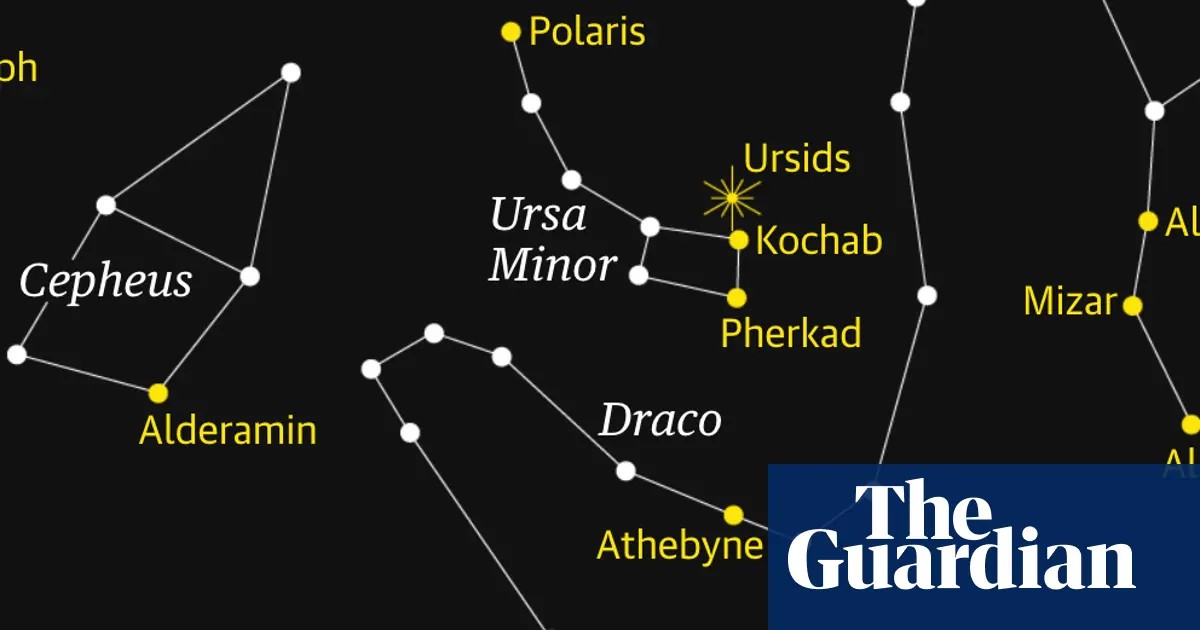
The Ursids peak on the night of December 22nd to 23rd. The meteors appear to radiate from the constellation Ursa Minor, also known as the Little Bear. From the UK (and other northern latitudes), Ursa Minor is always visible in the night sky – meaning you can start looking for meteors as soon as sunset.
Tips for Observing
Patience is key when watching the Ursids, as it’s a lower-intensity shower. To maximize your comfort, dress warmly, especially your feet, and bring a deckchair or blanket to avoid standing for long periods.
Important Note: The Ursids are primarily visible in the Northern Hemisphere and are not well-seen from the south.
The Ursid meteor shower offers a peaceful and rewarding experience for those willing to brave the cold and look up. While not as spectacular as some other showers, its subtle beauty makes it a worthwhile event for astronomy enthusiasts.