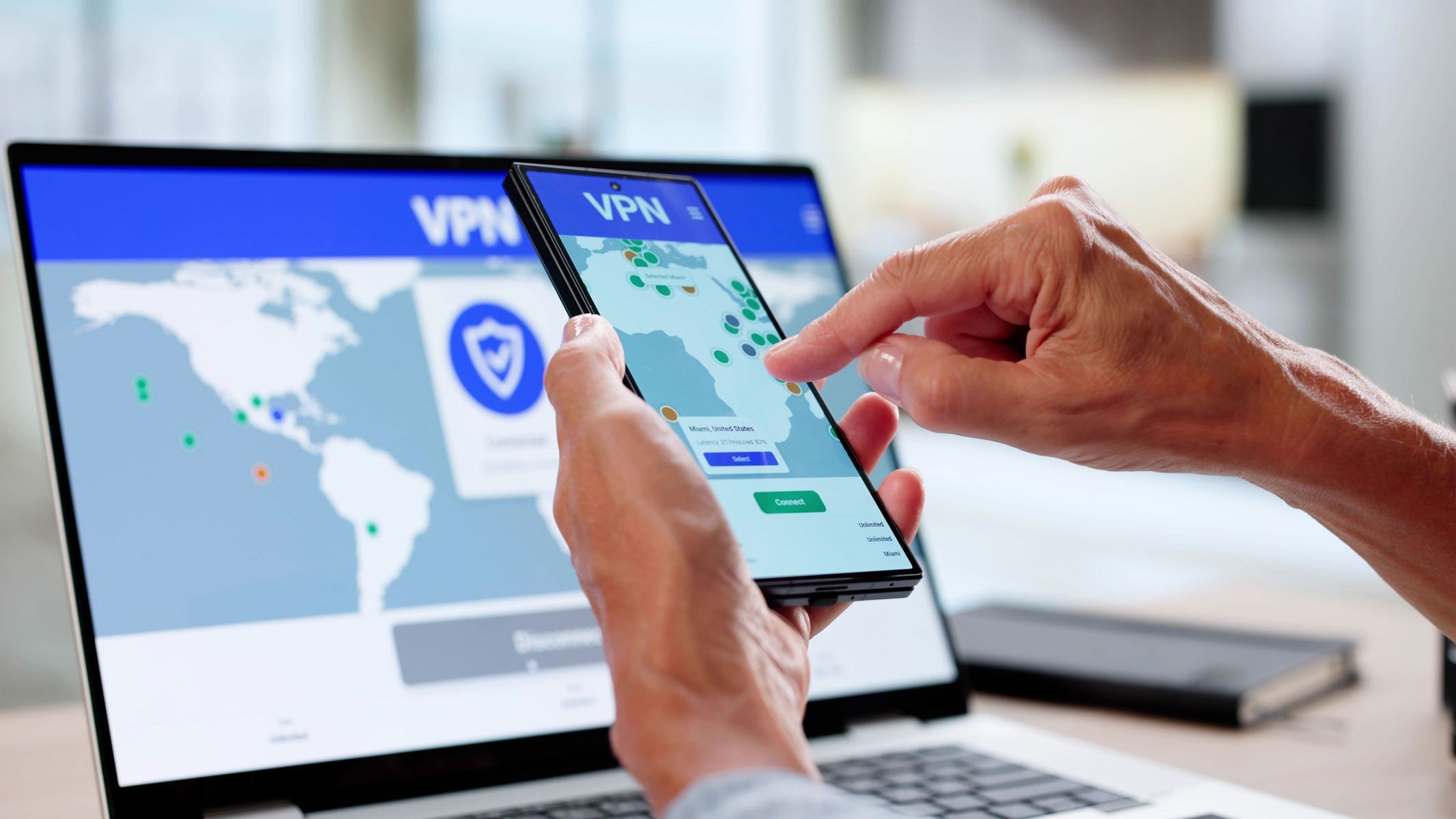
Virtual Private Networks (VPNs) have become a critical tool for anyone concerned about online privacy, security, or accessing geographically restricted content. A VPN creates a secure, encrypted connection that masks your IP address, making it appear as if you’re browsing from a different location. This is essential for streaming services, travel, secure downloads, and general online safety. Here’s a breakdown of the leading VPN options available today.
Why Use a VPN?
The benefits of a VPN extend beyond simple privacy. They include unlocking geo-locked content (ideal for travelers accessing home streaming libraries), blocking ads and malware, and protecting sensitive data. With increasing cyber threats and strict digital borders, a VPN is no longer just a tech enthusiast’s tool but a necessity for many.
Top VPN Recommendations
The following services stand out in various categories, balancing speed, security, and price.
NordVPN: The Overall Best Choice
NordVPN consistently ranks among the top VPNs due to its speed, security features, and affordability. Plans start at just $2.99 per month.
Key features include ad and malware blocking, encrypted cloud storage, scam detection, and the ability to protect up to ten devices simultaneously. NordVPN claims speeds exceeding 2,000 Mbps, though actual performance varies based on your connection and server location. With 164 geolocations available, it offers excellent value for both casual and power users.
Surfshark: Best Value for Unlimited Devices
Surfshark is an excellent option if you need to protect multiple devices without breaking the bank. Starting at $1.99 per month, it allows unlimited simultaneous connections.
Surfshark boasts speeds up to 460 Mbps, sufficient for 4K streaming and general use. It includes antivirus software, data leak monitoring, and identity theft coverage. Its tiered plans offer increasing security levels at varying price points, making it a flexible choice.
ExpressVPN: Simplicity and Speed Combined
ExpressVPN prioritizes ease of use. Its one-click interface makes connecting to a secure server seamless. While not the cheapest option, it offers robust security features, including malicious site blocking and dedicated IP addresses.
TechRadar tests show connection speeds of sub-400 Mbps from the UK to the US, which is still fast enough for most users. Its main strength lies in its simplicity: a big button to turn your VPN on or off.
ProtonVPN: Security First, With a Free Option
ProtonVPN stands out for its commitment to privacy and security. Based in Switzerland, it offers servers in over 120 countries, including a free version with limited bandwidth.
The service guarantees no logging of user activity and blocks ads and malware. Paid plans include encrypted cloud storage, dark web monitoring, and a password manager with two-factor authentication. Connection speeds average around 300 Mbps, still adequate for everyday browsing and streaming.
PrivadoVPN: The Best Free VPN
PrivadoVPN offers a generous free plan with 10GB of monthly data. It provides protection under Swiss privacy laws, encryption comparable to paid plans, an ad-free experience, and 24/7 support.
The free version includes access to 13 global server locations, making it an ideal entry point for VPN beginners. While speeds may slow down after exceeding the data cap, it’s a reliable option for occasional use.
Conclusion
Choosing the right VPN depends on your individual needs. For all-around performance and features, NordVPN is a top contender. Surfshark provides exceptional value for multi-device households, while ExpressVPN excels in simplicity. ProtonVPN prioritizes privacy and security, and PrivadoVPN offers a robust free option. Regardless of your choice, investing in a VPN is a smart move for anyone seeking greater control over their online presence.