Recent archaeological discoveries in Australia’s Arnhem Land reveal that the Tasmanian tiger – a now-extinct carnivorous marsupial – likely persisted on the mainland for far longer than previously believed. New analyses of ancient Indigenous rock art depict these animals alongside Tasmanian devils, suggesting they thrived in northern Australia up to 1,000 years ago. This challenges the conventional understanding of their extinction timeline and highlights the critical role of Indigenous knowledge in reshaping our understanding of the past.
Rewriting the Extinction Narrative
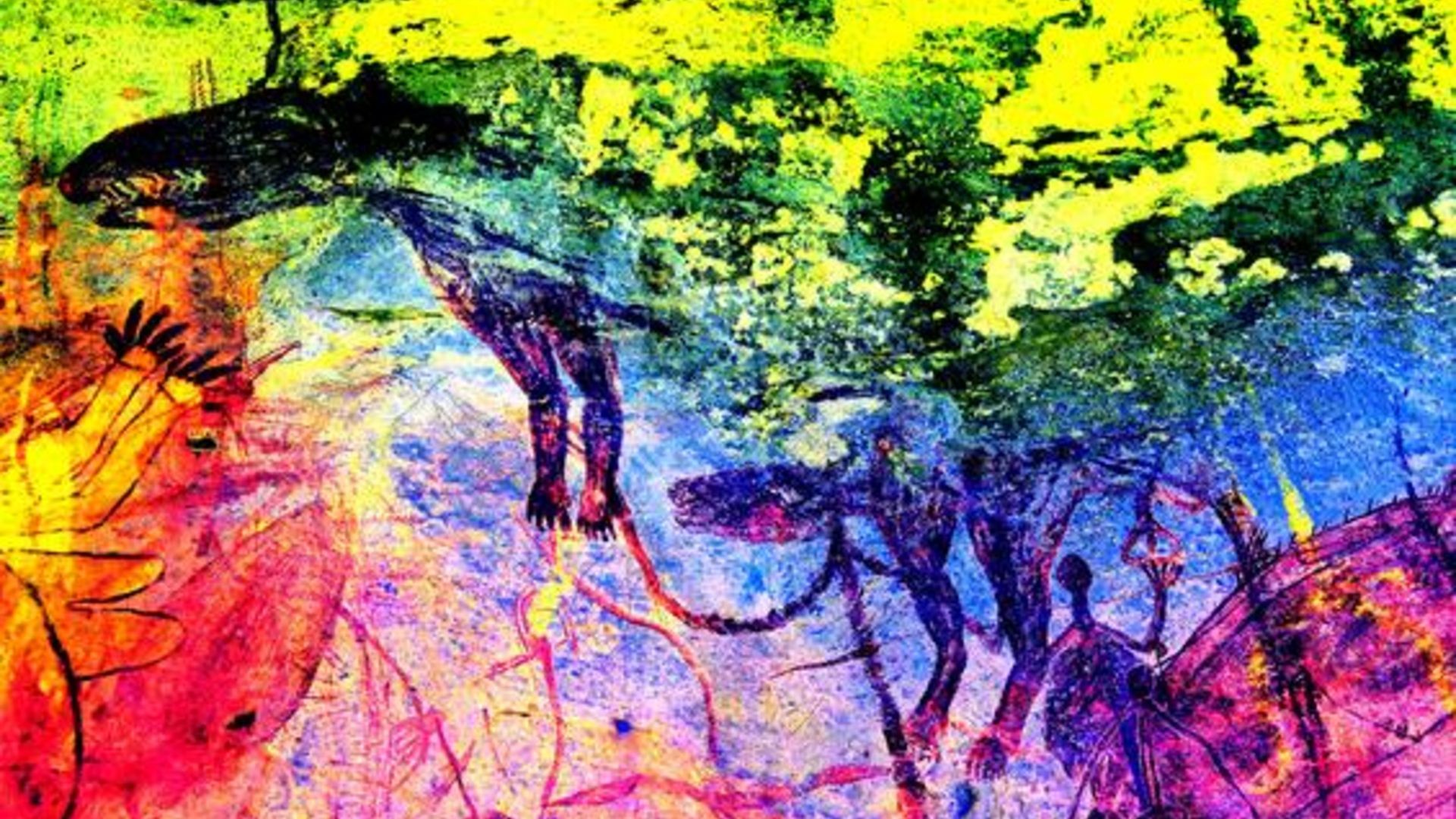
For decades, the accepted timeline placed the Tasmanian tiger’s disappearance from the mainland around 3,000 years ago, with its last confirmed presence on the island of Tasmania ending in 1936. However, these new findings – documented in the journal Archaeology in Oceania – depict thylacines (Tasmanian tigers) and devils in rock art that may be less than 1,000 years old.
The study identified around 14 new thylacine depictions and two devil images. One devil drawing, roughly 1.3 feet long, has a fish painted over part of it, suggesting the artwork wasn’t created long after the animal was gone. Another, larger devil drawing shows sharp teeth and also features superimposed fish art. The tiger depictions vary; some show distinct stripes, while others do not, indicating artistic choices rather than the absence of stripes in the animals themselves.
Why This Matters: Bridging Science and Indigenous Lore
This isn’t just about rewriting dates; it’s about acknowledging that Western scientific timelines often clash with Indigenous oral histories. The Aboriginal people of Arnhem Land have long preserved knowledge of these creatures, including stories of the Tasmanian tiger as “pets of the Rainbow Serpent,” a powerful deity in their belief system. The rock art supports these narratives, indicating a deeper cultural connection that extends beyond mere observation.
The use of kaolin (pipe clay) in some of the paintings is particularly significant. Kaolin fades faster than other pigments like red ocher, implying these images were created more recently, potentially by artists who saw these animals alive.
Cultural Significance Beyond Survival
The discovery also sheds light on the cultural importance of these animals to Indigenous communities. There are approximately 150 verified rock art depictions of thylacines on the Australian mainland, compared to just 23 of devils. This suggests the tiger held greater symbolic weight in Aboriginal culture, possibly linked to spiritual beliefs or hunting practices.
Researchers are collaborating with Aboriginal communities to interpret the artwork’s full meaning, including connections to modern ceremonies where headdresses resemble those depicted near the tiger images. Even today, the Tasmanian tiger remains a culturally resonant creature for many in Oceania, not merely a historical footnote.
“The thylacine lives on…not as a ghost from the past but as a meaningful creature that still has present-day relevance,” researchers conclude.
This research underscores the need for ongoing collaboration between archaeologists, scientists, and Indigenous communities to unlock a more complete and accurate understanding of Australia’s natural and cultural history.