A medical case from Greece has challenged long-held biological assumptions regarding how certain parasites develop within human hosts. A 58-year-old woman, who works outdoors near grazing sheep, was diagnosed with a rare form of nasal myiasis —an infestation of fly larvae—after experiencing severe facial pain, coughing, and the startling sensation of sneezing “worms” from her nose.
The Clinical Presentation
The patient’s symptoms began with escalating pain centered in her face. Within a few weeks, this was accompanied by a severe cough. The situation reached a crisis point when she began expelling moving organisms through her nostrils during sneezes.
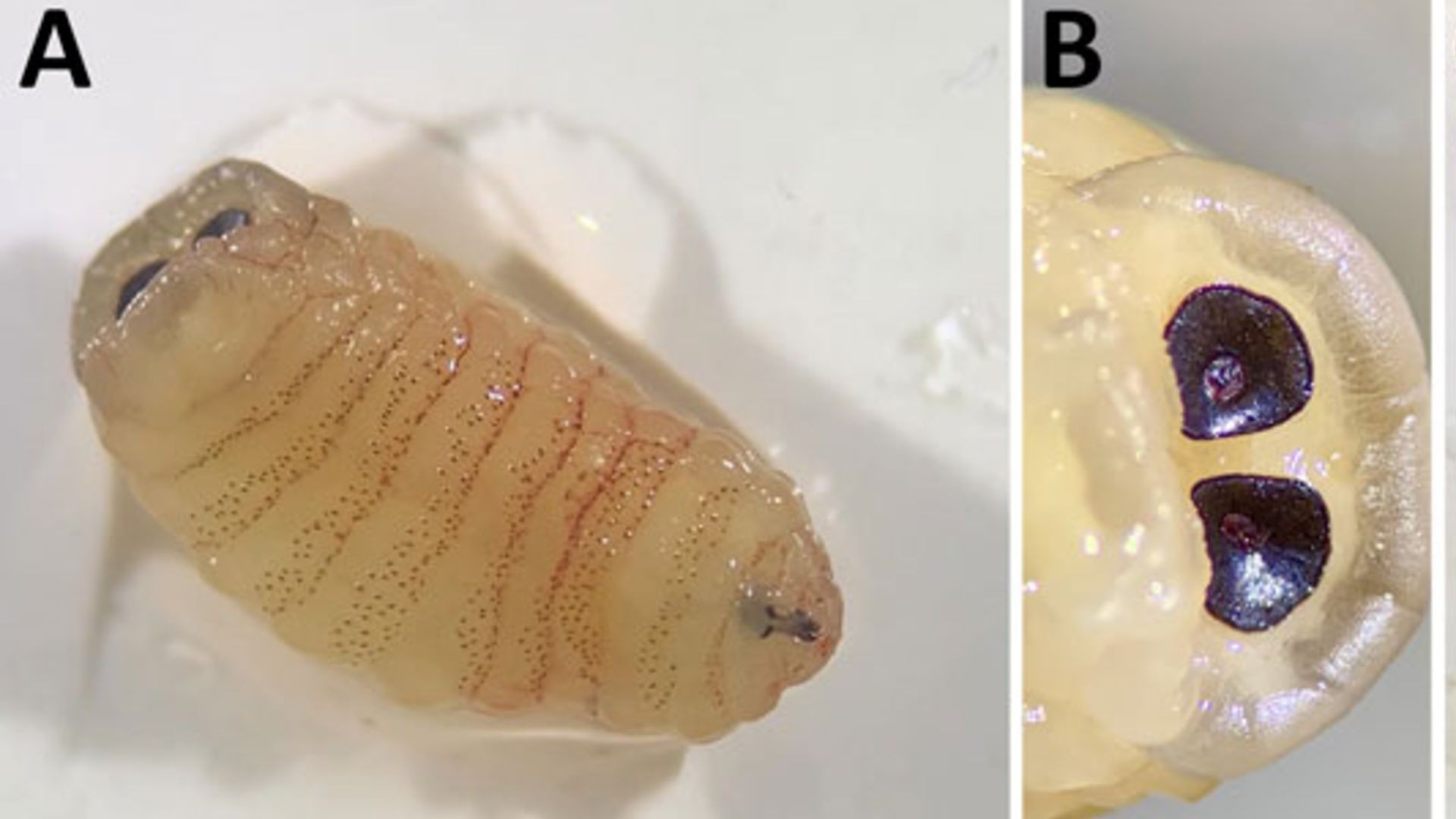
Upon medical examination, an Ear, Nose, and Throat (ENT) specialist performed a surgical procedure to clear the patient’s maxillary sinuses (the large cavities located on the sides of the nose). The surgery successfully removed:
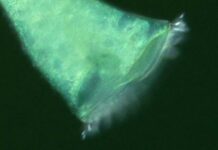
– 10 larvae (ranging from 15mm to 20mm in length).
– One pupa (the life stage between a larva and an adult insect) contained within a black, wrinkled protective casing known as a puparium.
Identifying the Culprit: Oestrus ovis
DNA analysis confirmed that the organisms were the larvae of the sheep bot fly (Oestrus ovis ). This parasite is common in sheep and goats, typically depositing larvae into the nasal passages of these animals. Given the patient’s proximity to sheep pastures, it is highly probable that the flies transferred the larvae to her.
While human infections from this species are documented, they are uncommon and typically manifest in the eyes (the conjunctival sac). Infections in the nose, mouth, or ears are considered rare exceptions.
Defying Biological Expectations
The most significant aspect of this case is not just the infection itself, but the biological progression of the larvae.
In typical parasitic cycles, larvae within a host reach a certain stage (L1 or L2) and then die, liquefy, or calcify because the host’s body is not an ideal environment for them to mature. Traditionally, medical science considered it “biologically implausible” for these larvae to reach the pupation stage—the point where they transform into their next life stage—inside a mammal.
Why did this happen?
Researchers have proposed two primary theories to explain why this patient’s body allowed the larvae to mature:
- Anatomical Trapping: The patient had a severely deviated nasal septum. Doctors believe this structural abnormality, combined with a high “larval burden” (a large number of maggots), effectively trapped the larvae in the sinuses. This prevented them from exiting the nose as they normally would, providing the time and environment necessary for them to progress to the L3 stage and even pupation.
- Evolutionary Adaptation: Alternatively, the researchers suggest this could be a sign of an evolutionary shift, where the species is adapting to complete its entire life cycle within human hosts.
Recovery and Clinical Takeaways
Following the surgical removal of the larvae and pupa, the patient was treated with nasal decongestants and made a complete recovery.
This case serves as a critical reminder for medical professionals working in endemic areas. It highlights that parasitic life cycles can be more adaptable than previously thought, and that individual anatomical differences—such as a deviated septum—can fundamentally alter the course of an infection.
Conclusion: This rare case demonstrates that human anatomy can occasionally create unexpected environments for parasites, potentially allowing for biological processes like pupation that were previously thought impossible in humans.