It’s a bug hunt. Not for insects in your kitchen. For the health of our rivers.
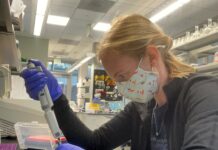
Across Scotland, more than sixty groups of volunteer “river detectives” have sprung up over the last four years. They don’t carry guns. They carry nets and ID kits. They count mayflies, caddisflies, and stoneflies.
People consider riverflies to be the canary of our water courses – if they’re not there, something is wrong.
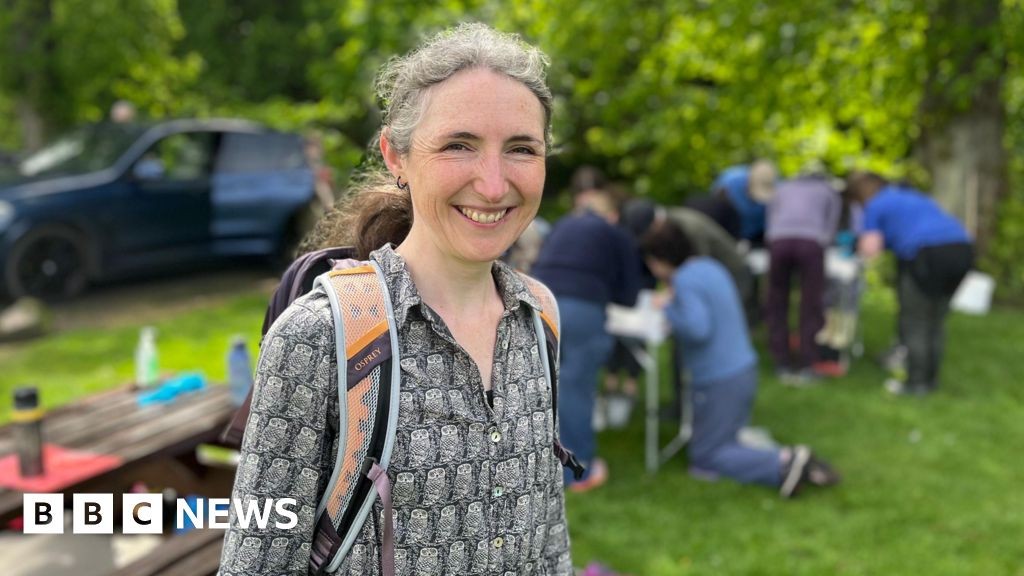
That quote comes from Erica Chapman. She coordinates volunteers for the Tweed Foundation. It’s a simple analogy but it works. No riverflies usually means dirty water. Dirty water means trouble.
The program isn’t new. It started in England two decades ago. Buglife took it north in 2022 to expand into Scotland. The goal? An early warning system. Regular monitoring of invertebrate life. If the water quality dips, the bugs feel it first. Then we know.
Most catchments now have a team. From Abhainn Gleann LeIRCAG in the far north down to the Tweed and Cree in the south. Over a thousand surveys are logged.
Who do they call? The Scottish Environment Protection Agency (Sepa). They don’t hoard the data. Elaine Rainey, a conservation officer, says any changes go straight to Sepa immediately.
We’re just getting started though. Training kicked off again this year.
We will continue to expand the programme by official training and providing kits.
Connections matter. People care when they know the water they walk beside. Rainey points out that we’re all benefiting from that interest. It’s not just science. It’s ownership.
In the Borders specifically, Buglife teamed up with the Tweed Foundation. Six groups are already active. Peebles, Jedburgh, Anecrum, Heriot, Earliston, Walkerburn. More are forming in Coldstream and Eyemouth soon.
Why the surge in places like Peebles? Maybe it’s the anglers. Neil Macintyre recently trained in Eddleston Water. He’s fished the river for years. He thought he knew his bugs. He was wrong.
Being an angler for so long I knew a bit… this training has taken my knowledge to new level.
He’s one of twelve volunteers there. They count flies. They look for invaders like killer shrimps too. Non-native species get flagged. It’s a two-front war for clean water.
Sepa monitors rivers regularly. This volunteer network fills the gaps. It makes the response time faster. Everyone reacts.
But do the bugs care about our response times?
The rivers flow either way.