The pursuit of extended lifespan through interventions like rapamycin or strict calorie restriction faces a significant hurdle: results are unpredictable at the individual level. While studies show an average lifespan increase in animals, recent reanalysis reveals that the actual benefits vary wildly. Some individuals may experience substantial gains, others minimal, and some may see no effect at all.
Variable Responses to Longevity Treatments
Researchers at the University of Sydney analyzed 167 studies across eight species (fish, mice, rats, monkeys) and found that rapamycin and dietary restriction do correlate with longer lifespans on average. However, the distribution of these effects is uneven.
As Tahlia Fulton explains, “You’ve got a bit of a lottery happening… you can’t guarantee that these treatments will increase an individual’s lifespan.” This means that even with proven interventions, predicting personal outcomes remains unreliable.
The “Squaring the Curve” Challenge
The ideal scenario for longevity research is “squaring the survival curve.” This would mean a broader population reaching extended ages—more people reliably living to 100, for example—rather than just a few outliers. Neither rapamycin nor calorie restriction has demonstrated this effect.
Currently, the interventions shift the curve, but do not square it. Researchers emphasize that managing expectations is crucial until further studies identify which individuals benefit most, potentially through genetic or lifestyle profiling.
Healthspan vs. Lifespan: A Crucial Distinction
Matt Kaeberlein from the University of Washington highlights that extending lifespan alone isn’t the ultimate goal. A more relevant question is whether these interventions improve healthspan —the duration of healthy, functional years. Increased longevity without improved quality of life is less valuable.
Rapamycin: From Immunosuppressant to Potential Anti-Aging Drug
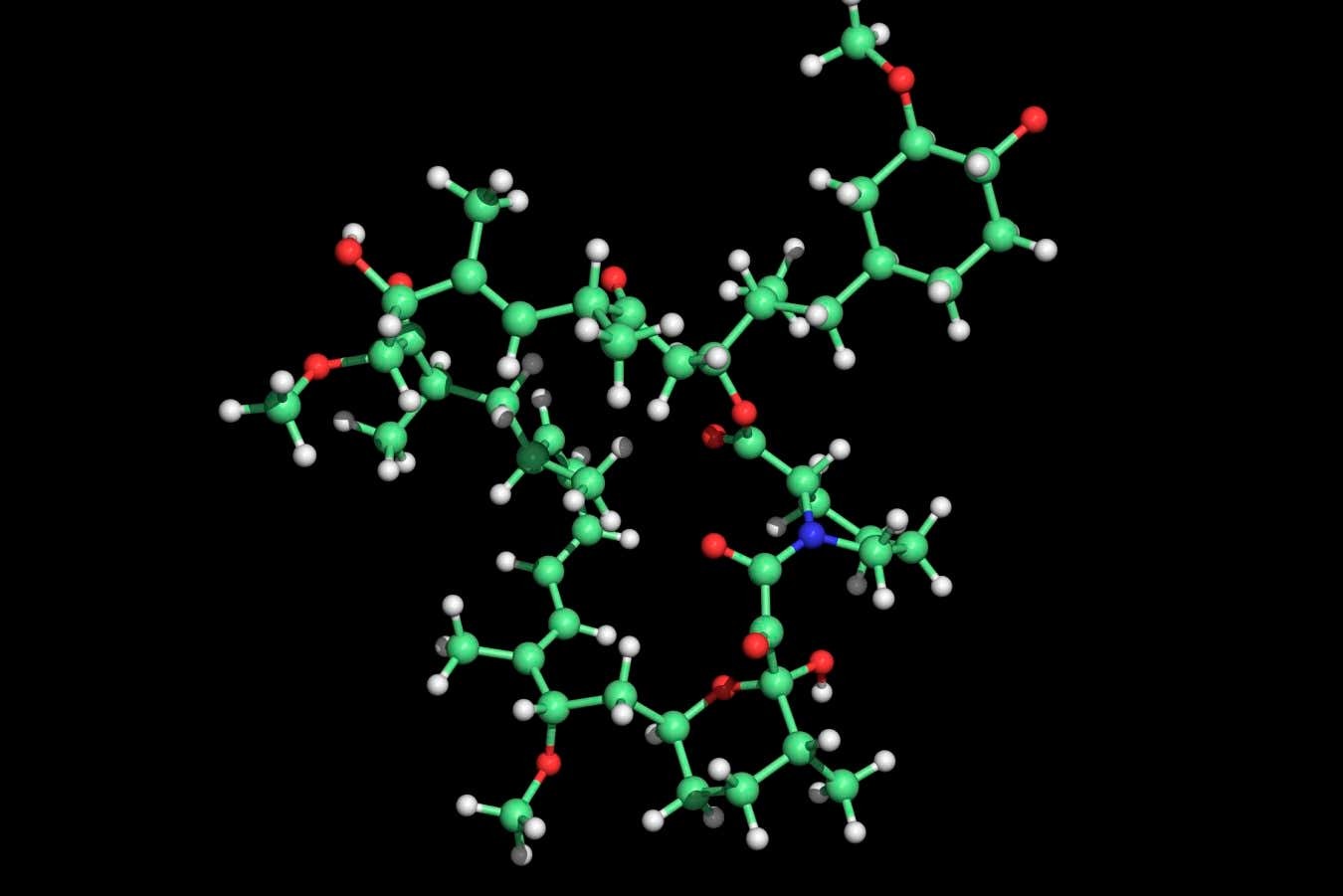
Originally developed to prevent organ rejection, rapamycin works by inhibiting the mTOR protein, which regulates cell growth. Low-dose studies in animals suggest it may protect against DNA damage, contributing to lifespan extension. However, its efficacy and safety in humans remain under investigation.
Conclusion: While rapamycin and calorie restriction show promise in animal models, the unpredictable individual responses mean that these approaches are not yet a guaranteed path to longevity. Further research is needed to understand who benefits most and whether increased lifespan translates into improved healthspan.