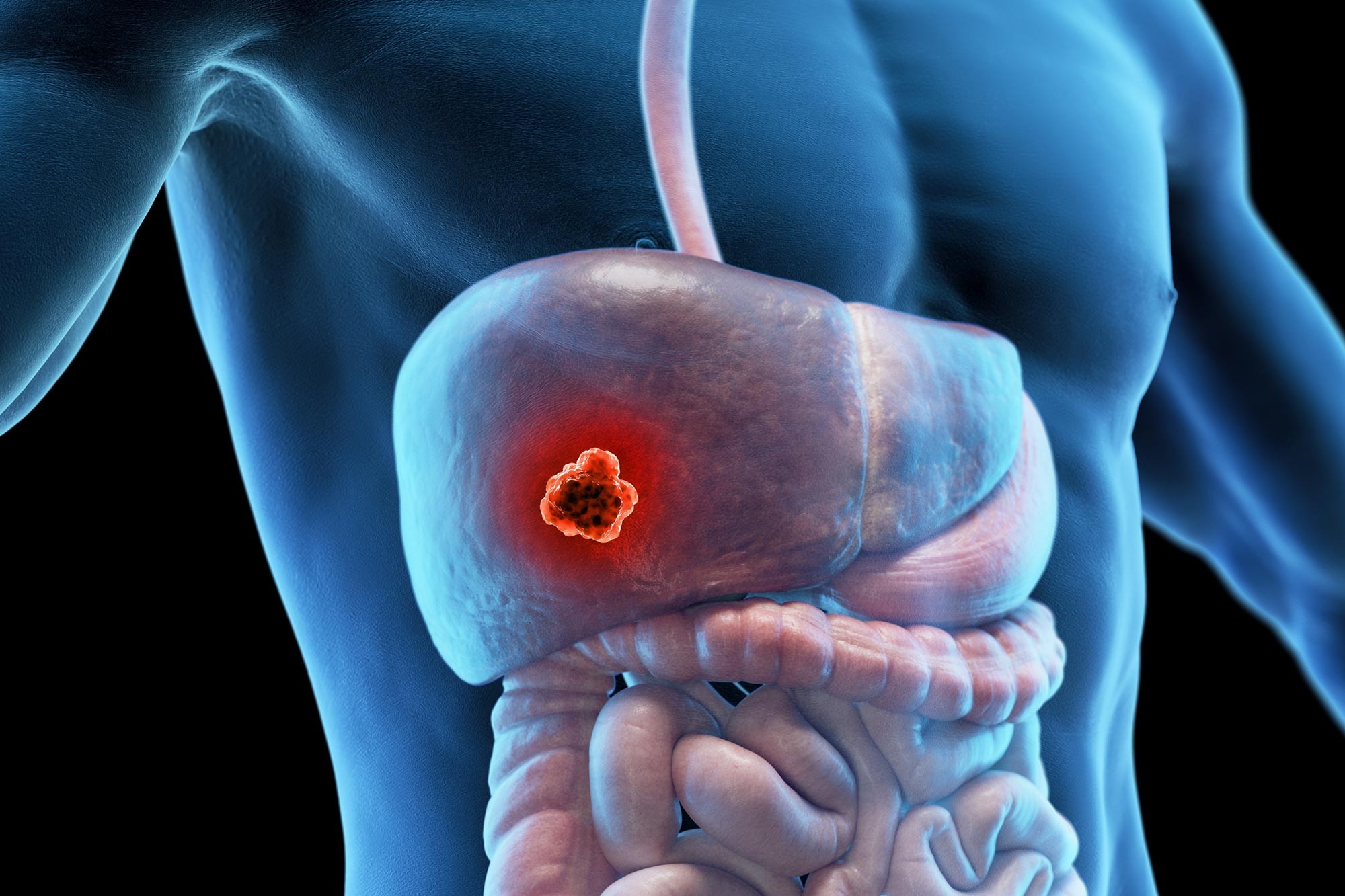
Here is a thing. Resmetirom exists. It has an FDA seal of approval for metabolic dysfunction-associated steatotic liver disease (MASLD). The marketing pitch says it reduces liver fat and fibrosis.
That’s fine. That’s the plan.
But a new paper in Hepatology suggests it might be doing something far more aggressive.
The drug could stop liver cancer from happening in the first place.
Not treat it. Prevent it.
The Midkine Problem
The team behind this? Researchers at the University of Hong Kong. They didn’t just guess. They used single-cell RNA sequencing on a mouse model that acts remarkably like the human condition. They looked at hundreds of thousands of cells. They watched them shift. They tracked gene activity from normal tissue through to full-blown tumor stages.
They found a culprit.
Midkine (MDK).
It is a protein. It is secreted by cells. It binds to its receptor. Then it throws gasoline on the fire.
MDK intensifies the damaging signals between hepatic stellar cells and the hepatocytes turning malignant. In humans with non-viral liver cancer high MDK levels mean the cancer is likely to come back. It also means less time living without it.
Why? Because Midkine wrecks the immune system.
Professor Irene Ng of HKUMed explains the mechanics clearly enough.
MDK alters normal immune functions through its receptor impairing the body’s ability to fight tumors it shifts macrophages from suppressing tumors to promoting them it causes T cells to lose their function leading to exhaustion and self attack.
The immune system isn’t just tired. It is being actively misled. The environment favors the tumor. The cancer cells hide.
The Resmetirom Fix
Resmetirom already clears the fat. That is its job. But in preclinical trials it did something else. It lowered MDK levels.
The tumor growth slowed.
The team tested this. They combined the drug with MDK inhibitors. The effect wasn’t just additive. It was synergistic. Better liver metabolism. Less fat. Suppressed tumors. A reshaped immune microenvironment.
It works on two fronts simultaneously. You fix the metabolism. You break the cancer-promoting signaling pathway.
A Shift in Strategy
We need to rethink how we approach fatty liver.
It isn’t just about weight. It isn’t just about excess fat. It involves specific pathways driven by proteins like MDK. Current immune checkpoint inhibitors fail many patients with metabolic-driven liver cancer. We don’t fully understand why. We probably do now.
Acting on the pathway improves the outcome.
Professor Ng calls it a prevention-first model. Use the single drug to treat the fatty liver disease while preventing the cancer.
What next? Validation. Larger cohorts. Biomarkers. Clinical trials combining Resmetirom with targeted therapy.
The goal is simple. Stop the cancer before it starts.
We will see if it holds up in people.