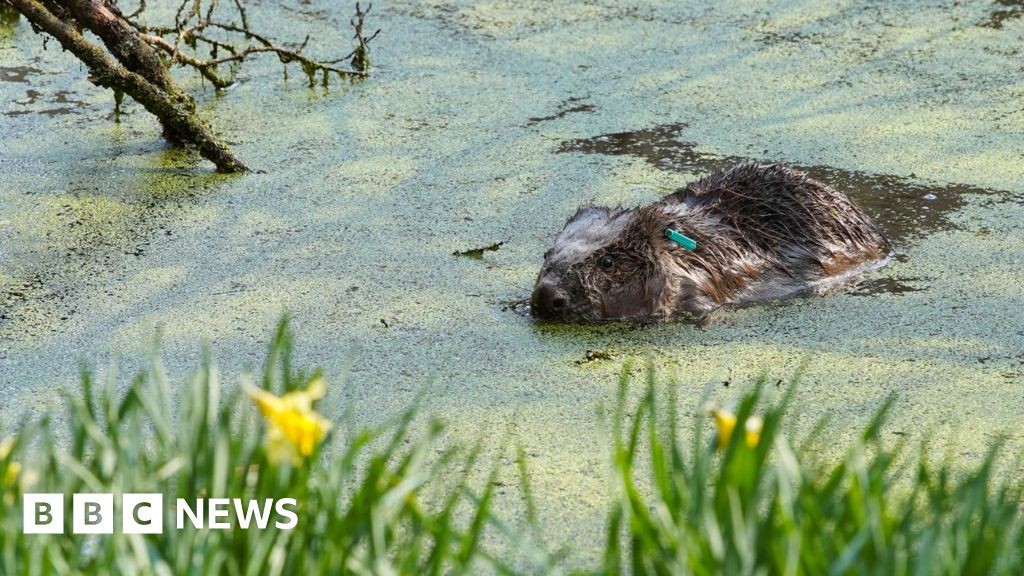
Plans to reintroduce beavers to Ennerdale Forest in Cumbria, England, have advanced, with Forestry England receiving approval to submit a full application for the project. This follows a successful initial expression of interest and signals a potential return of the species to the area after centuries of absence.
Historical Context and Rationale
Beavers once thrived across Britain but were hunted to extinction by the 16th century. Their reintroduction is now driven by ecological benefits: beaver dams naturally regulate water flow, mitigate drought, and improve water quality. These effects are particularly relevant in a changing climate where water management is becoming increasingly critical.
Project Details and Timeline
The proposed plan involves releasing up to 50 beavers – likely 15 breeding pairs along with their offspring – into Ennerdale. Forestry England previously paused similar plans in 2023 due to concerns about a proposed river grill obstructing fish migration. The revised proposal aims to address these issues, with a projected release date set for September 2027.
The application process is expected to take roughly 18 months, with Forestry England aiming to submit by late 2026, followed by a four-month review period from Natural England.
Environmental Impact and Mitigation
Beavers are known for their dam-building activity, which can reshape landscapes and create wetland habitats. Forestry England has also assured that measures will be in place to protect valuable trees if necessary, demonstrating a balance between ecological restoration and forest management.
The reintroduction of beavers represents a growing trend toward natural flood management and biodiversity restoration. It highlights a shift in environmental policy from human-engineered solutions to harnessing natural processes for ecological benefits.