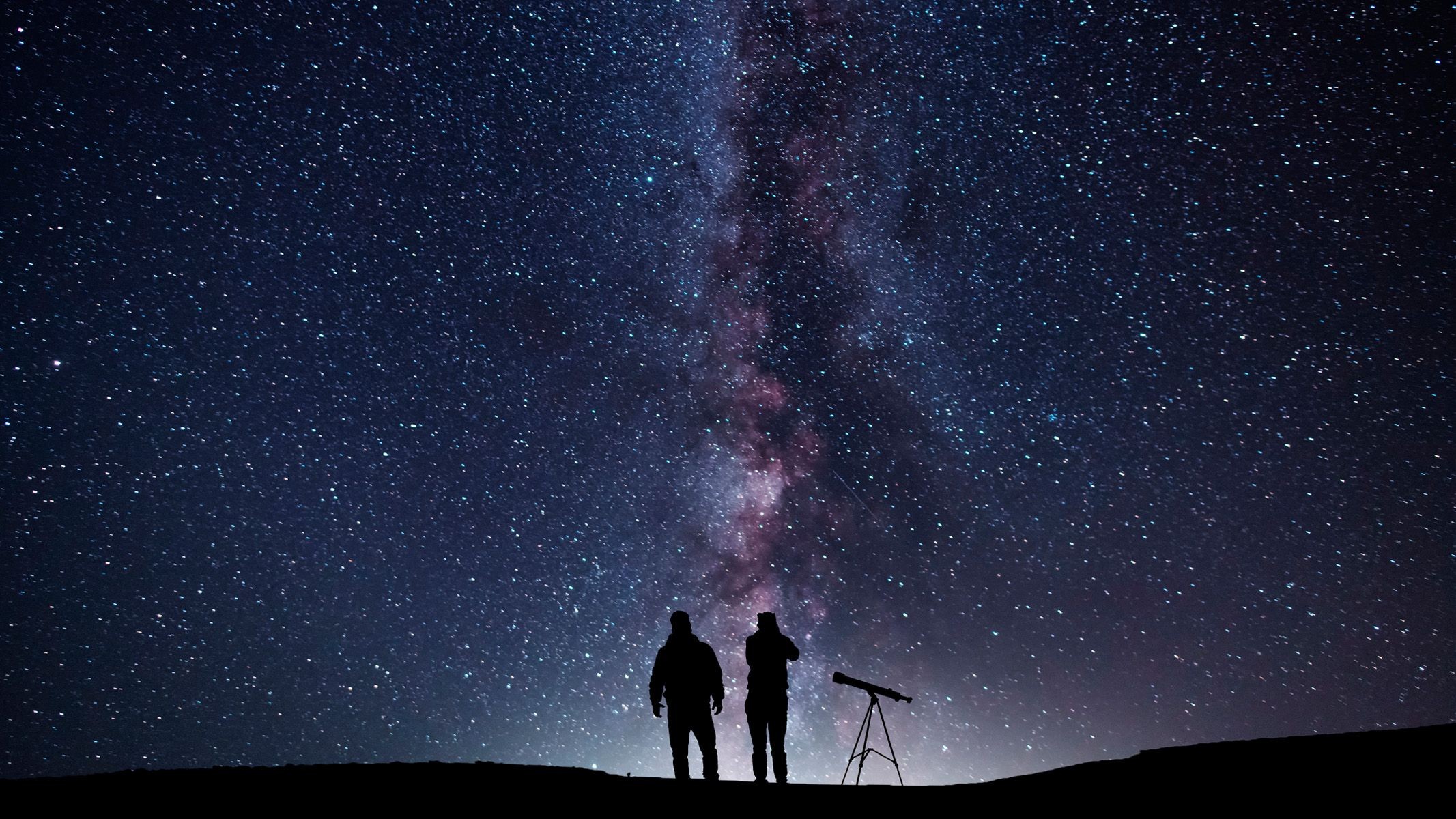
February offers a wealth of celestial events, from lunar phases to planetary alignments. This guide provides a straightforward overview of what to look for, along with practical gear recommendations to enhance your stargazing experience. Whether you’re a seasoned astronomer or just starting out, there’s something for everyone this month.
Lunar Highlights: Full Snow Moon and Crescent Views
February begins with the Full Snow Moon on February 1st, a bright and easily visible spectacle. While stunning with the naked eye, binoculars (like the Celestron SkyMaster 15×70) or a small telescope (such as the Celestron StarSense Explorer LT 114AZ) will reveal greater detail on the lunar surface. Later in the month, keep an eye out for the slim crescent moon in conjunction with Mercury, Neptune, Saturn, and the Pleiades cluster. A 10×42 pair of binoculars should suffice for the Mercury conjunction, while a telescope is essential for spotting Neptune and Saturn’s rings.
Why this matters: The full moon is a visually striking event, but it also washes out fainter objects. Observing during the new moon phase (February 17th) provides the darkest skies, ideal for deep-sky exploration.
Planetary Alignments and Conjunctions
The month features several interesting planetary interactions. On February 15th, Saturn and Neptune will appear close together, though Neptune will require a telescope (at least 6-8 inches) to discern its faint blue hue. The most dramatic lineup occurs on February 28th, with Mercury, Venus, Jupiter, Saturn, Uranus, and Neptune aligning. While the inner planets are visible with the naked eye, larger telescopes (8-inch or greater) are needed to observe Uranus and Neptune effectively.
Why this matters: Planetary conjunctions are rare alignments that showcase the dynamic nature of our solar system. They provide opportunities to observe multiple celestial bodies in the same field of view.
Deep-Sky Stargazing Opportunities
The new moon on February 17th creates optimal conditions for deep-sky viewing. The Milky Way may be visible in dark-sky locations, and objects like the Andromeda galaxy, Orion Nebula, and faint galaxies will stand out with binoculars (Celestron Regal ED 10×42) or a smart telescope (Vaonis Vespera II). The occultation of the Pleiades cluster on February 23rd is another highlight, offering a unique chance to see the moon pass in front of this star cluster.
Why this matters: Deep-sky objects are distant galaxies, nebulae, and star clusters that reveal the vastness of the universe. Dark skies are crucial for seeing these faint objects clearly.
Gear Recommendations
For astrophotography, a camera with high ISO performance (Nikon Z8) paired with a star tracker (Sky Watcher Star Adventurer Mini) is recommended. For casual viewing, a pair of astronomy binoculars or a small telescope will suffice. Smart telescopes (like the Celestron NexStar 6SE) can automate image capture for convenience.
Note: The choice of equipment depends on your budget and desired level of detail.
Conclusion: February 2026 presents a compelling lineup of celestial events. With proper planning and the right tools, even beginners can enjoy the wonders of the night sky. From lunar phases to planetary alignments, this month offers opportunities for both visual observation and astrophotography.