Global sea levels are significantly higher than previous research indicates, due to a widespread “methodological blind spot” in coastal vulnerability studies. This means that flooding and erosion will occur sooner and more severely than anticipated, particularly impacting regions already at high risk. A new analysis reveals that roughly 90% of peer-reviewed research fails to account for critical variables like ocean currents, tides, temperature, salinity, and wind effects. The average underestimation is between 24 to 27 centimeters.
The Scale of Underestimation
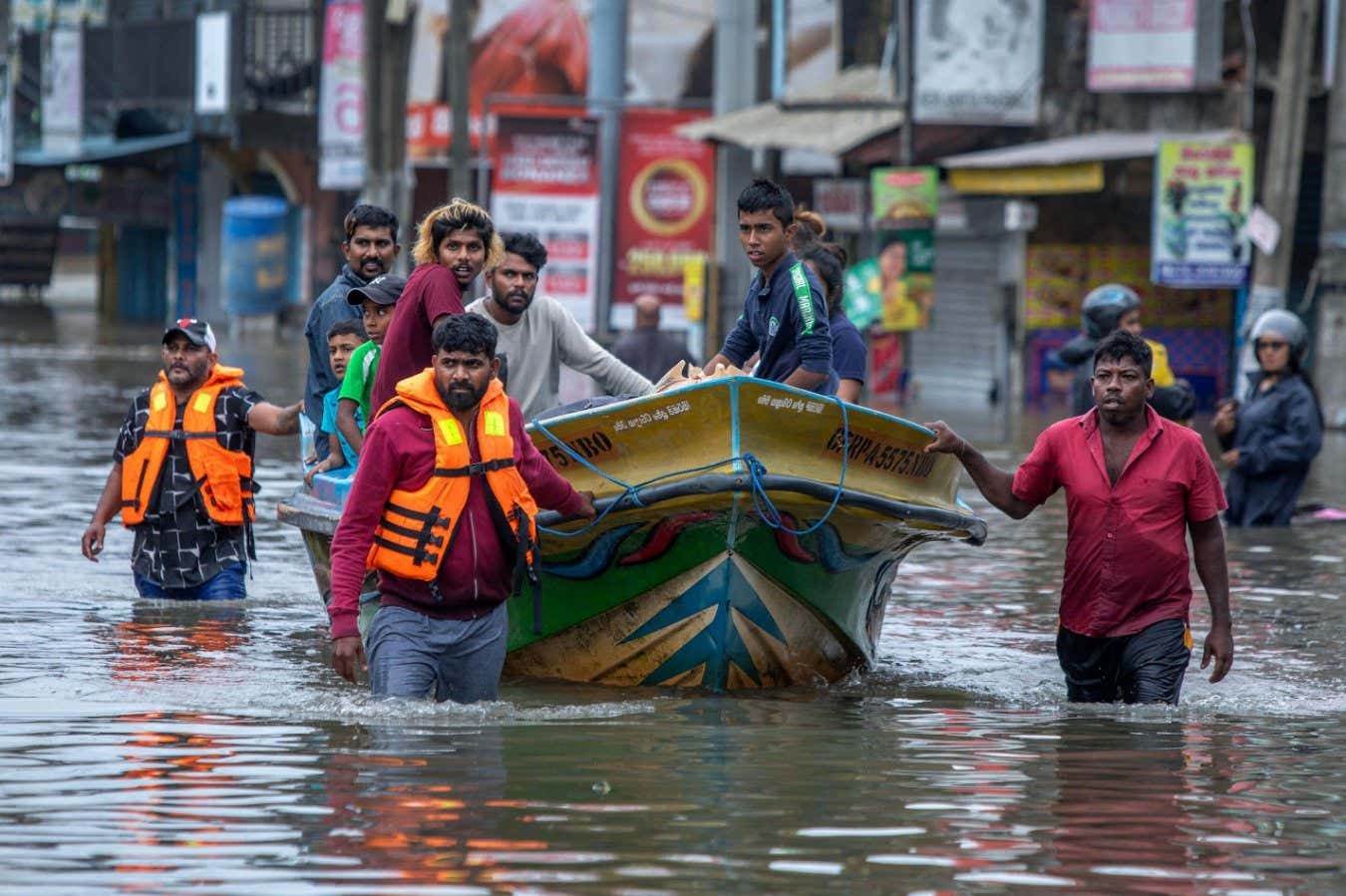
The implications are profound: the number of people displaced by rising sea levels by 2100 could increase by as much as 68% – an additional 132 million people facing displacement. The most vulnerable areas include South-East Asia and Oceania, where sea levels are, on average, one meter higher than previously believed, and in some locations, several meters higher.
This discrepancy isn’t just a matter of academic correction; it impacts real-world policy and aid distribution. As Philip Minderhoud points out, representatives from vulnerable nations seeking support at global gatherings may encounter inaccurate assessments that downplay the urgency of their situation.
Why Were Estimates Wrong? The Geoid Problem
The core issue stems from how sea level is measured. Researchers often rely on the “geoid” – an irregular shape representing mean sea level – without accounting for localized variations. The Earth’s rotation, gravitational anomalies, and climate-driven factors like thermal expansion cause actual sea levels to deviate significantly from the geoid.
Less than 1% of studies correctly calculated current coastal sea levels, often due to inconsistencies in comparing satellite measurements with outdated or mismatched geoid models. This is not merely a technical oversight: it’s a systemic failure to integrate data across disciplines. Climate scientists, geographers, and environmental scientists must work in tighter coordination, as Matt Palmer of the Met Office emphasizes.
The Issue of Climate Justice
The problem is particularly acute in lower-income countries. Data on gravitational variations is less accurate in these regions, leading to even greater underestimations. This injustice means that the areas most vulnerable to sea-level rise also receive the least accurate scientific assessments.
Joanne Williams of the UK National Oceanography Centre stresses the importance of local, long-term, well-calibrated measurements via tide gauges. Expanding data collection in vulnerable countries is critical, not just for accuracy but also for ensuring equitable climate adaptation strategies.
In conclusion : The underestimation of sea level rise is a serious scientific oversight with far-reaching consequences. Correcting this error is not just a matter of refining models, but of ensuring that climate action is grounded in accurate data, especially for the communities most at risk.