Drugs like Ozempic and Wegovy, primarily used for weight loss and diabetes, show promise in reducing complications for heart attack survivors, according to new research. The medications could prevent further tissue damage by improving blood flow in the heart’s smallest vessels – a critical but often overlooked aspect of recovery.
The “No-Reflow” Problem After a Heart Attack
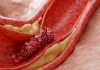
When a heart attack occurs, the main artery supplying blood to the heart becomes blocked (coronary ischemia). While doctors can usually reopen this artery, restoring full blood flow to the entire heart isn’t always possible. This incomplete recovery, known as “no-reflow,” affects the microcirculation – the network of tiny capillaries – and can significantly worsen outcomes.
No-reflow is a major issue because it leads to slower healing, increased risk of heart failure, and higher mortality rates. The study from the University of Bristol and University College London (UCL) suggests that GLP-1 drugs may overcome this hurdle.
How GLP-1 Drugs Relax Constricted Blood Vessels
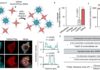
Researchers tested a GLP-1 compound on surgically removed mouse hearts mimicking a heart attack. They found that the compound relaxes pericytes—cells wrapped around capillaries—by activating ion channels in their membranes. This relaxation restores the capillaries to their normal state, allowing blood to flow again.
The key insight is that these drugs don’t just treat the initial blockage; they address the secondary issue of constricted microcirculation, which often limits full recovery.
These findings build on prior research linking GLP-1 to improved heart health in people with existing conditions. The new study suggests that GLP-1 drugs may prevent no-reflow by directly acting on capillaries.
The Connection to Remote Ischemic Conditioning
This discovery also sheds light on a previously puzzling experimental procedure called remote ischemic conditioning (RPc). RPc involves briefly restricting blood flow to a limb to trigger a protective response in the brain, which then opens up capillaries in the heart.
The study reveals that RPc may work by stimulating GLP-1 release, creating a gut-brain-heart connection. The gut is where GLP-1 is primarily produced. This adds new context to why RPc sometimes works: it’s not just a strange physiological trick, but a natural way to boost GLP-1 levels.
What This Means for Patients
While the experiments were conducted on mouse hearts, the results suggest that existing drugs like Ozempic and Wegovy could potentially be repurposed to improve heart attack recovery in humans. This is significant because long-term recovery rates after a heart attack remain a challenge, even with modern treatments.
Researchers caution that further studies are needed to confirm these effects in people. However, the findings highlight a promising new avenue for reducing complications and saving lives. The increasing use of GLP-1 drugs for conditions like obesity and diabetes means that a potentially life-saving treatment might already be widely available.
The team at UCL and Bristol concluded that these findings could offer a “potentially life-saving solution” for heart attack patients.