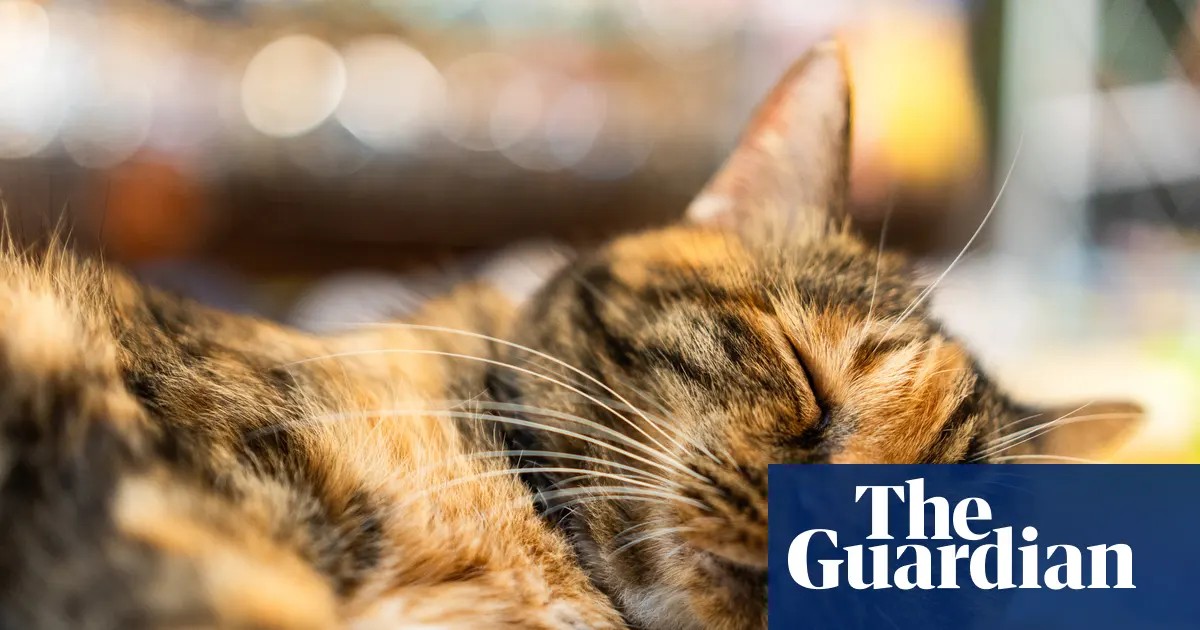
The US National Institutes of Health (NIH) is actively funding new laboratory experiments involving cats, even after officials publicly stated their intention to “phase out” such projects. This discrepancy, revealed by watchdog group White Coat Waste (WCW), raises questions about transparency and the practical implementation of stated policy goals.
Contradictory Statements and New Funding
In July, NIH acting deputy director Dr. Nicole Kleinstreuer declared in a public forum that she believes research on cats and dogs is “unconscionable” and that the NIH is “working tirelessly” to end it. However, since that statement, the agency has approved over $1.7 million in new and extended grants for cat experiments, contradicting the public pledge.
Cruel Experiments Funded by Taxpayers
The newly funded projects include studies involving severe procedures:
- Stroke Research: $486,000 has been allocated to a study where sixty kittens will have portions of their skulls removed, viruses injected into their brains, and strokes induced before being killed.
- Glaucoma Gene Therapy: $439,000 is funding research where three-month-old kittens with glaucoma have viruses injected into their eyes, are restrained for examination, and then euthanized for dissection.
These experiments involve deliberate infliction of pain and distress on animals for research purposes. WCW argues that the NIH’s claim of being “legally constrained” to continue funding existing projects is false, citing internal policies that allow for early termination of grants.
Ongoing Funding and Extended Projects
In addition to new grants, the NIH has extended seven cat studies since July, totaling almost $572,000. Total lifetime funding for these experiments exceeds $38 million. One such study involves cutting the spinal cords of thirty cats and forcing them to walk on treadmills to measure neurological responses. Another uses kittens with neurological disorders, injecting them with experimental treatments and euthanizing them when their condition deteriorates.
Political Pressure and NIH Response
WCW is urging the NIH to cancel existing grants and prohibit new funding for cat testing. The organization has also called for intervention from former President Donald Trump, citing the contrast between the NIH’s actions and other federal agencies that have ceased funding for animal experiments.
An NIH spokesperson defended the agency, stating that Dr. Kleinstreuer’s remarks were a personal perspective and that the agency is conducting a review to transition away from animal models. They also emphasized new policy updates that encourage the use of non-animal alternatives.
Shifting Trends in Animal Research
The NIH spends an estimated $20 billion annually on animal research, involving millions of animals each year, including over 12,000 cats. However, a growing trend towards reducing animal use in US laboratories is accelerating.
- The 2022 FDA Modernization Act 2.0 eliminated the requirement for animal testing before human trials.
- The FDA announced a phase-out of animal testing for certain drugs, starting with monoclonal antibody therapies.
- Congress directed the Department of Veterans Affairs to end research on dogs, cats, and primates by 2026, with cat testing already halted.
- The Navy ceased cat and dog research following WCW revelations about cruel experiments.
- The Centers for Disease Control and Prevention instructed scientists to phase out monkey studies.
The PAAW Act, co-sponsored by Congresswoman Dina Titus, would further prohibit NIH-funded research causing significant pain to dogs or cats.
“Cats and dogs are family, and the NIH should not be using taxpayer dollars to harm them in unnecessary research,” says Congresswoman Titus.
The shift reflects a growing recognition that alternatives, such as organ-on-a-chip technology, computer models, and human data, can provide more relevant research results. The trend suggests that animal testing will continue to decline, despite resistance from some within the biomedical research community.