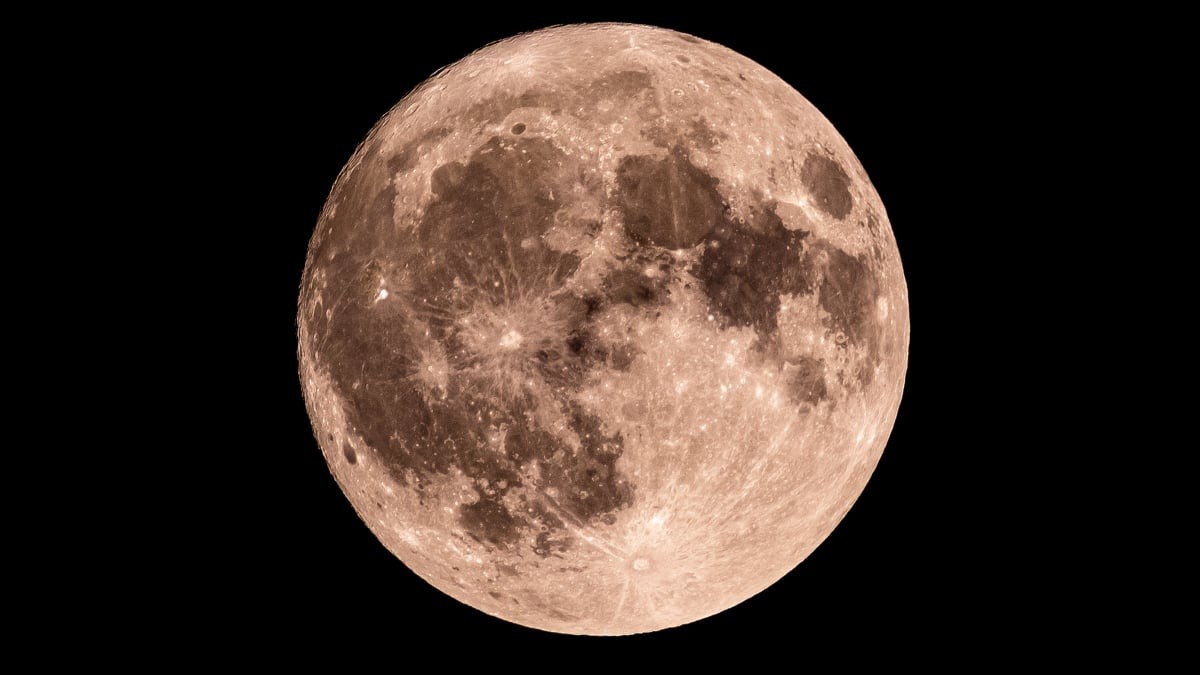
The Moon is currently in its Waxing Gibbous phase, meaning it’s rapidly approaching fullness. As of February 28, 2026, approximately 88% of the lunar surface will be illuminated, creating a bright and prominent sight in the night sky. This phase is ideal for observing lunar features, both with the naked eye and with basic astronomical tools.
What You Can See Tonight
Even without any equipment, observers can easily spot prominent dark areas known as maria (Latin for “seas”) – vast, ancient volcanic plains. Specifically, the Mare Tranquillitatis (Sea of Tranquility) and Mare Crisium (Sea of Crises) will be clearly visible.
With binoculars, additional details come into focus:
– Mare Nectaris (Sea of Nectar)
– Alphonsus Crater
– The rugged Alps Mountains.
For those with telescopes, the lunar surface reveals even more. Expect to see the historic landing sites of Apollo 11 and Apollo 15, as well as the challenging terrain of the Fra Mauro Highlands.
The Lunar Cycle Explained
The Moon’s phases aren’t random; they’re a direct result of its 29.5-day orbit around Earth. As the Moon circles our planet, the amount of sunlight reflecting off its surface changes from our perspective. This creates the eight distinct phases we recognize:
- New Moon: Invisible, as the sunlit side faces away from Earth.
- Waxing Crescent: A sliver of light appears, growing larger each night.
- First Quarter: Half of the Moon is illuminated.
- Waxing Gibbous: More than half is lit, but not yet full.
- Full Moon: Completely illuminated, appearing as a bright disk.
- Waning Gibbous: Light begins to decrease on one side.
- Third Quarter: The opposite half of the Moon is lit.
- Waning Crescent: A shrinking sliver before disappearing into the New Moon phase.
When to Expect the Next Full Moon
The next Full Moon will occur on March 3, 2026, marking the culmination of this lunar cycle. The previous Full Moon was on February 1, setting the pace for this ongoing celestial rhythm. The consistent progression of these phases provides a predictable timeline for lunar observations.
The Moon’s phases are a fundamental part of understanding Earth’s relationship with its natural satellite. Observing these changes helps to appreciate the dynamic interplay between light, shadow, and orbital mechanics.