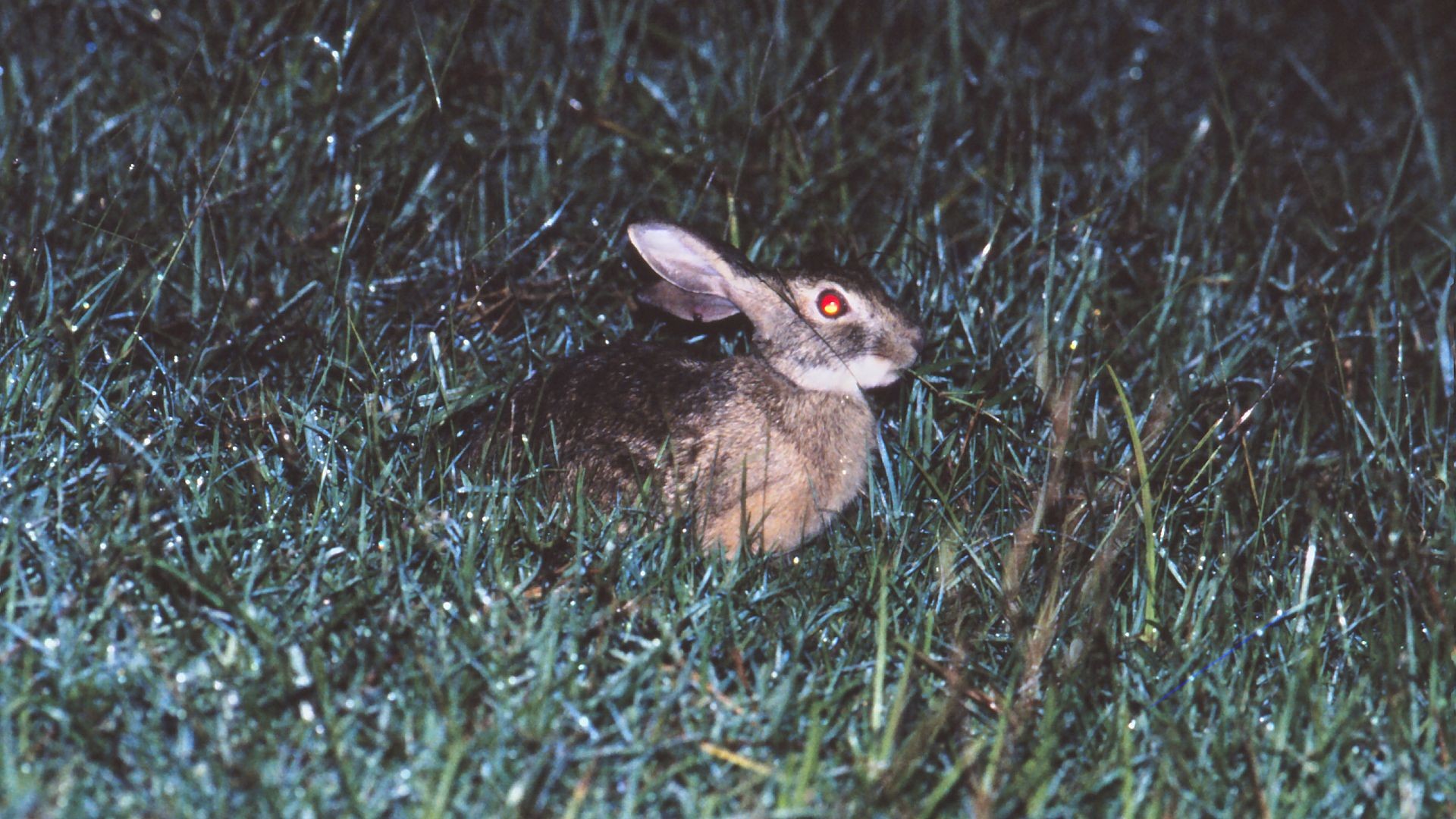
For the first time in 40 years, scientists have verified the presence of the critically endangered Hainan hare (Lepus hainanus ) in a previously undocumented area of its native range… though the confirmation came in the form of a roadkill specimen. The discovery, detailed in a recent study, underscores both the species’ precarious existence and the possibility of overlooked populations.
A Rare Sighting, Grim Circumstances
Researchers with the Kadoorie Farm and Botanic Garden (KFBG) encountered the flattened remains of the hare during fieldwork on Hainan Island, southern China. Despite severe damage, the carcass was definitively identified as L. hainanus, a species native only to this island and one of the least-studied lagomorphs globally. The location of the roadkill — roughly 200 kilometers from the hare’s last known stronghold — suggests that a remnant population may persist in northeastern Hainan.
This matters because the Hainan hare is on the brink of extinction. Its range has shrunk dramatically since the 1970s due to habitat loss and hunting. The rediscovery, even in this tragic form, is significant because it means the species may be more widespread than previously thought, though this also highlights the constant danger it faces.
From Abundance to Near Extinction
The Hainan hare once thrived across the island’s coastal lowlands, with an estimated 10,000 individuals in the 1950s. However, by the late 20th century, populations plummeted. A 2008 report estimated fewer than 500 individuals remained, leading to its designation as “critically endangered” on China’s Red List. Today, confirmed sightings are rare even within the Datian National Nature Reserve, the species’ primary known habitat.
The decline is directly linked to human activity. Agricultural expansion and rapid urbanization have destroyed critical lowland habitats, while unregulated hunting further decimated numbers. The hare’s nocturnal behavior and preference for unprotected areas make it particularly vulnerable.
The Need for Urgent Action
The study authors emphasize that even incidental records, like this one, can guide future conservation efforts. The current lack of systematic surveys makes it impossible to accurately assess the species’ total population.
“Every new record, even single incidental records, can help inform future surveys and proposed conservation actions.”
An island-wide survey is critical to understand the full extent of the hare’s remaining range, identify key threats, and implement effective conservation strategies. Without such data, this critically endangered species risks fading into oblivion unnoticed.
The rediscovery of the Hainan hare in a new location is a bittersweet reminder of its resilience and the urgency of its conservation. Further investigation is necessary to ensure that this rare species has a future on its shrinking island home.