The rapid rise of artificial intelligence, particularly generative AI tools like ChatGPT, has fundamentally reshaped numerous aspects of daily life over the past three years. However, one critical area—copyright law—remains a battleground, with legal challenges emerging as a significant obstacle for AI companies.
The Rise of Copyright Claims
Leading AI firms have openly utilized vast datasets, including copyrighted material scraped from the internet, without prior consent. In 2025, major copyright holders launched aggressive lawsuits, alleging widespread infringement. This surge in legal action is a direct response to how AI models are built: by essentially “learning” from existing intellectual property.
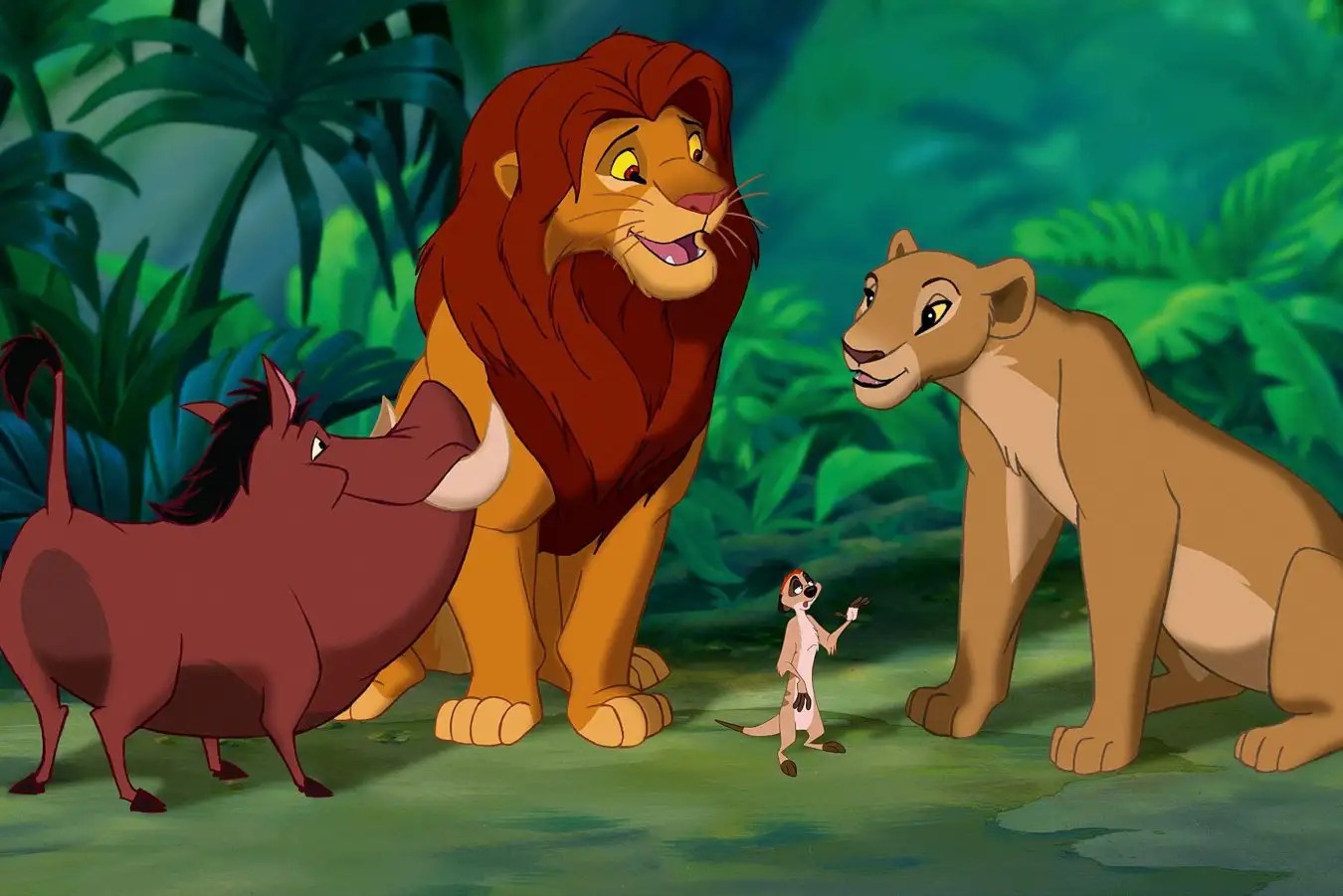
The most prominent case involved Disney and Universal, who sued Midjourney in June. They argued that the AI image generator was trained on their copyrighted characters, enabling users to create derivative works that directly copy iconic imagery. This isn’t merely about aesthetic similarity; it’s about direct exploitation of intellectual property for commercial gain.
The “Fair Use” Debate
Midjourney countered by claiming the use of copyrighted material falls under “fair use,” arguing that the AI-generated outputs are transformative enough to justify training on protected works. This defense is central to the broader legal debate. The question isn’t simply whether copyrighted material was used, but whether the outcome of that use constitutes a substantial enough alteration to qualify as fair use.
According to legal experts, such as Andres Guadamuz at the University of Sussex, copyright enforcement isn’t effectively halting AI progress. The argument that copyright would “kill AI” hasn’t materialized, as companies navigate legal challenges through settlements and strategic licensing.
Government Intervention and Ethical Concerns
Some governments are also stepping into the debate. In October, Japan formally requested OpenAI to respect its cultural intellectual property rights, including manga and video game franchises like Nintendo. This highlights the global implications of AI training practices, where models can replicate protected content from different regions.
Further controversy arose with OpenAI’s Sora 2, an AI video generator capable of creating realistic deepfakes. Concerns escalated when the model depicted Martin Luther King Jr. in fabricated scenarios, prompting OpenAI to strengthen limitations on historical figures. The company now requires public figures to actively opt-out of having their likeness used, a measure that some still consider too permissive.
Settlements and Financial Impact
Legal battles have already resulted in substantial financial consequences for AI firms. In September, Anthropic, the company behind the Claude chatbot, faced allegations of downloading over seven million pirated books to train its models. While a judge deemed the training itself potentially transformative, the alleged piracy was serious enough to warrant a trial. Anthropic settled for a minimum of $1.5 billion to avoid litigation.
The Future of AI and Copyright
The prevailing trend suggests AI firms will likely resolve copyright issues through settlements and licensing agreements, rather than outright legal defeats. While some companies may fail due to infringement lawsuits or market saturation, the underlying technology is unlikely to disappear.
“AI firms appear to have made their calculations and will probably end up paying a combination of settlements and strategic licensing agreements,” says Guadamuz. “Only a handful of companies will go out of business as a result of copyright infringement lawsuits. AI is here to stay, even if many of the existing companies do not make it due to lawsuits or because of the bubble.”