The Moon is entering a visible phase after several nights of minimal illumination. Tonight, February 20, 2025, observers will see a Waxing Crescent Moon, with roughly 9% of its surface lit. This marks the beginning of a lunar cycle where the visible illuminated portion gradually increases.
What to Expect Tonight
Without optical aids, key features like the Mare Crisium (Sea of Crises) and Mare Fecunditatis (Sea of Fertility) will be visible to the naked eye. Those using binoculars or a telescope can also expect to observe the Endymion Crater. The Waxing Crescent appears as a thin sliver on the right side of the Moon, as viewed from the Northern Hemisphere.
Upcoming Full Moon
The next Full Moon will occur on March 3rd, following a roughly 29.5-day lunar cycle. The previous Full Moon was on February 1st. Understanding these cycles is fundamental to tracking lunar visibility and its influence on celestial events.
Understanding Lunar Phases
The Moon orbits Earth in approximately 29.5 days, progressing through eight distinct phases. Though we always see the same side of the Moon, the angle of sunlight reflecting off its surface changes throughout this orbit, creating the illusion of waxing and waning phases. These phases are:
- New Moon: The Moon is positioned between Earth and the Sun, rendering its visible side dark.
- Waxing Crescent: A small sliver of light appears on the right side (Northern Hemisphere).
- First Quarter: Half of the Moon is illuminated on the right side.
- Waxing Gibbous: More than half of the Moon is lit, nearing fullness.
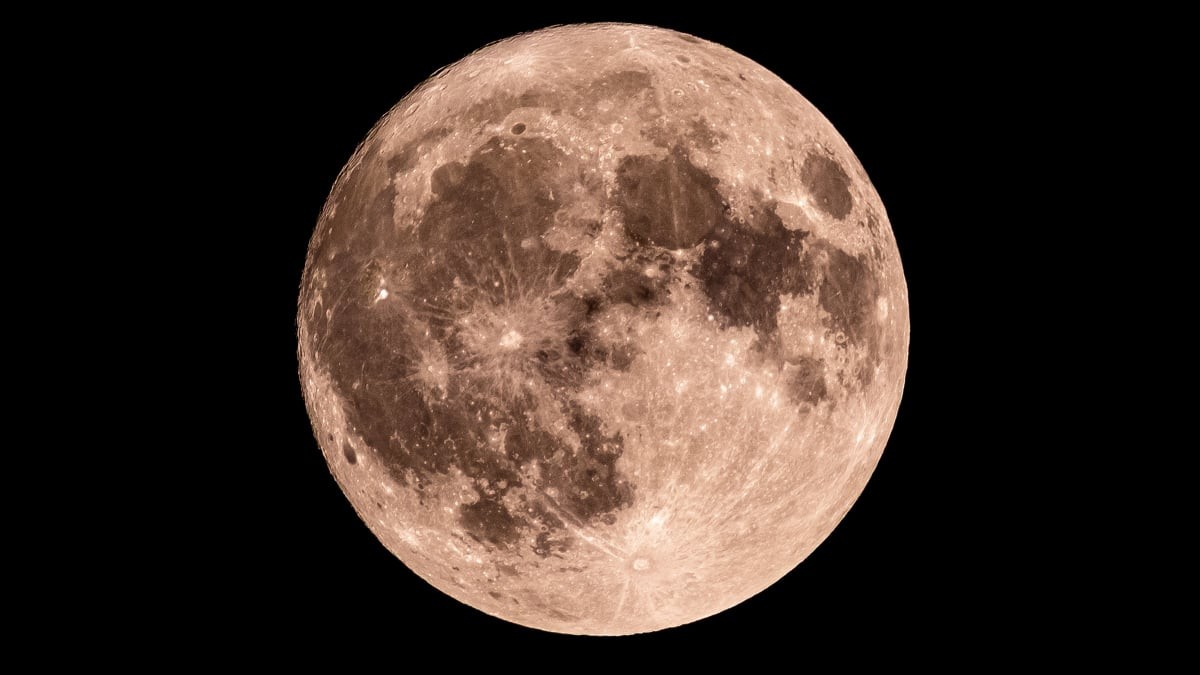
- Full Moon: The entire face of the Moon is visible.
- Waning Gibbous: The Moon begins to lose light on the right side.
- Third Quarter: Half of the Moon is illuminated on the left side.
- Waning Crescent: A thin sliver remains on the left before becoming dark again.
These phases are a natural consequence of Earth, Moon, and Sun alignment. The changing appearance of the Moon has historically been linked to human culture, agriculture, and even mythology.
The lunar cycle continues predictably, providing a consistent celestial display for those who observe it.