


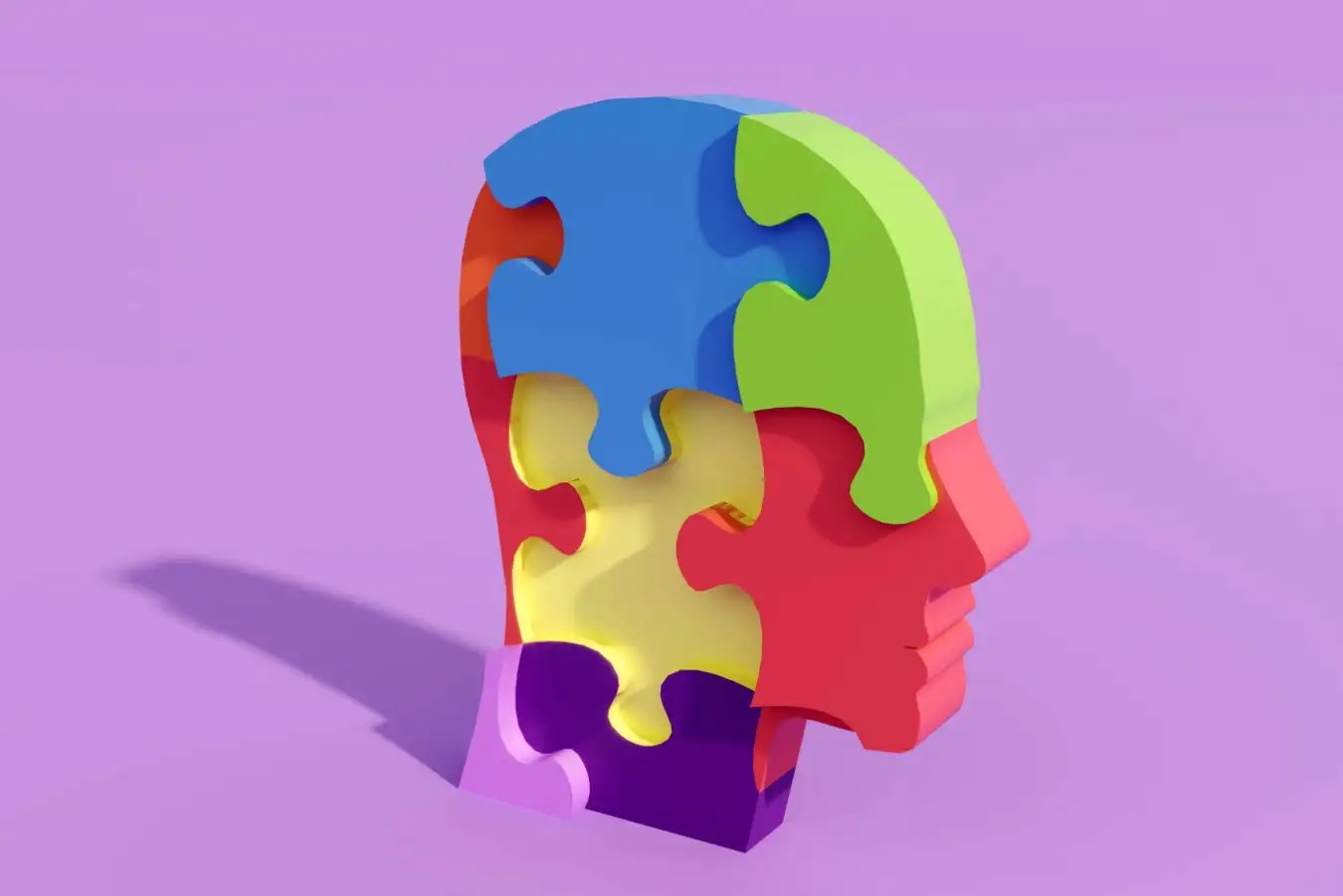
The past year saw a familiar yet harmful pattern: the politicization of autism, most notably through unsubstantiated claims linking common medications like paracetamol to increased diagnoses. When the Trump administration promoted this poorly researched connection, it mirrored a previous wave of misinformation regarding vaccines and autism – both instances sparking intense debate.
This isn’t just about inaccurate science; it’s a distraction. By framing autism as a political talking point, the administration and media outlets divert attention from the tangible needs and ongoing work to support autistic individuals.
The rising rates of autism diagnoses are real, but the reasons are likely more nuanced than any single cause. Experts point to broader diagnostic criteria and increased access to testing as key factors. However, deeper tensions exist: the neurodiversity movement, which views autism as a natural variation rather than a disorder to be cured, clashes with those who advocate for treating severe cases as disabilities requiring intensive care.
The core issue isn’t whether diagnoses are increasing, but how society responds. Political rhetoric risks undermining progress in research, funding, and acceptance.
This debate isn’t new, but the political spin on it is. The real harm comes from exploiting the condition for partisan gain instead of addressing the complex realities faced by autistic people and their families. Misinformation muddies the waters, delaying meaningful solutions and hindering genuine support.
Ultimately, reducing autism to a political football serves only to obstruct progress. A clear, fact-based approach – prioritizing research, inclusivity, and individualized care – is what autistic individuals deserve, not sensationalized claims or divisive rhetoric.


