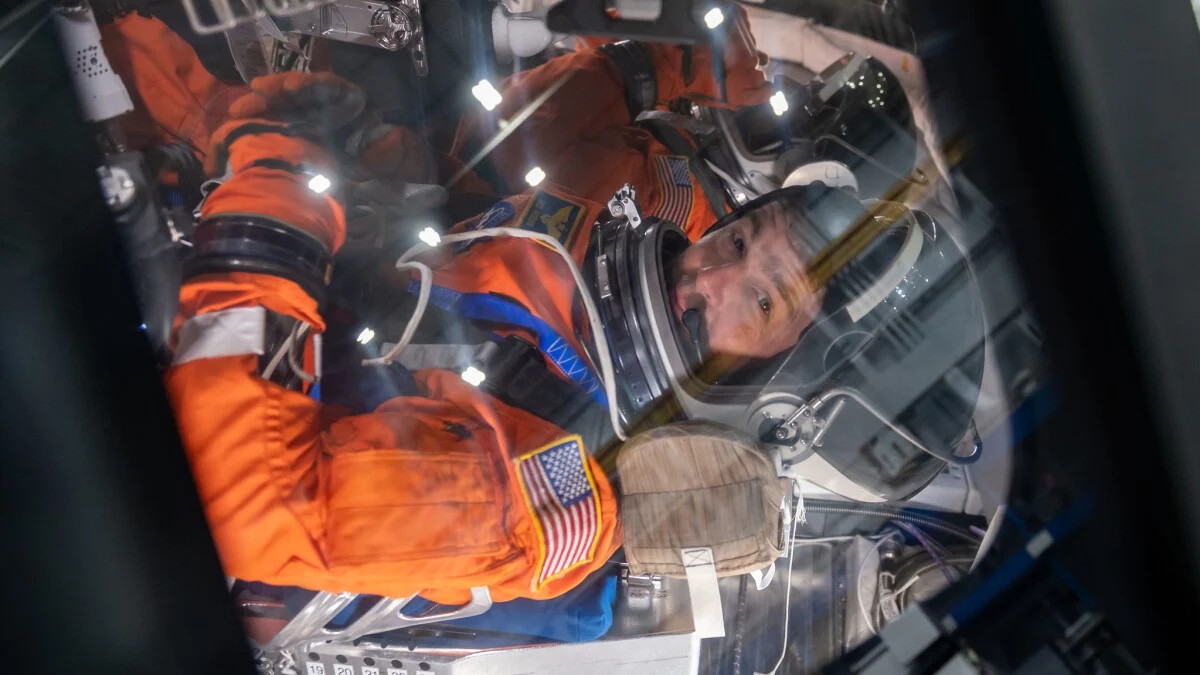
NASA is preparing to launch the Artemis II mission – the first crewed flight to the Moon in over 50 years – even though a critical deep space communication antenna remains offline. The 230-foot-wide DSS-14 dish at the Goldstone Deep Space Communications Complex in California has been out of service for four months following an operational failure in September 2025, where the antenna over-rotated, damaging cables and flooding its fire suppression system.
Despite this, NASA insists the outage will not affect Artemis II communications, stating that the antenna wasn’t factored into mission planning from the start. Agency spokesperson Ian O’Neill confirmed to Mashable that the mission can proceed without it. However, the situation raises concerns given a similar four-and-a-half-hour blackout during the Artemis I mission in 2022, where controllers lost contact with the Orion spacecraft and 16 other missions.
The Fragility of Deep Space Communications
The Goldstone antenna, also known as the “Mars Antenna”, is a vital component of NASA’s Deep Space Network (DSN), the world’s largest system for communicating with spacecraft. The DSN operates three complexes across California, Spain, and Australia to ensure constant coverage as Earth rotates, enabling continuous communication with missions traveling billions of miles from Earth.
This isn’t the first time the DSN has faced setbacks. Past incidents include a welder damaging the DSS-14 dish in 2014 and an earthquake wrecking the antenna in 1992. More fundamentally, the network is aging and overburdened. Data transmission has increased by 40% over the last three decades, exceeding its original capacity. NASA’s Office of Inspector General has repeatedly called for upgrades, and the Deep Space Network Aperture Enhancement Program is adding six new antennas, including one expected to come online this year.
Backup Systems and Future Risks
To mitigate risks, NASA has established backup agreements with international partners like Japan’s JAXA, ensuring alternative coverage in case of further disruptions. A recent audit from the Inspector General highlights that such reinforcements are “crucial” given the “increasing likelihood” of communication failures. Since the 2022 blackout, two additional failures have occurred at Canberra and Goldstone, requiring hardware replacements.
The audit stresses the need for continued improvements in maintenance, operations, and reliability to prevent outages that could jeopardize the Artemis II crew and spacecraft. While NASA assures the mission will proceed safely, the history of the DSN suggests vulnerabilities in a system stretched by demand and prone to unpredictable failures.
The Artemis II launch remains on track for a potential February launch date. However, the incident underscores the delicate balance between ambition and infrastructure, reminding us that even the most advanced space programs depend on reliable, often aging, terrestrial systems.