


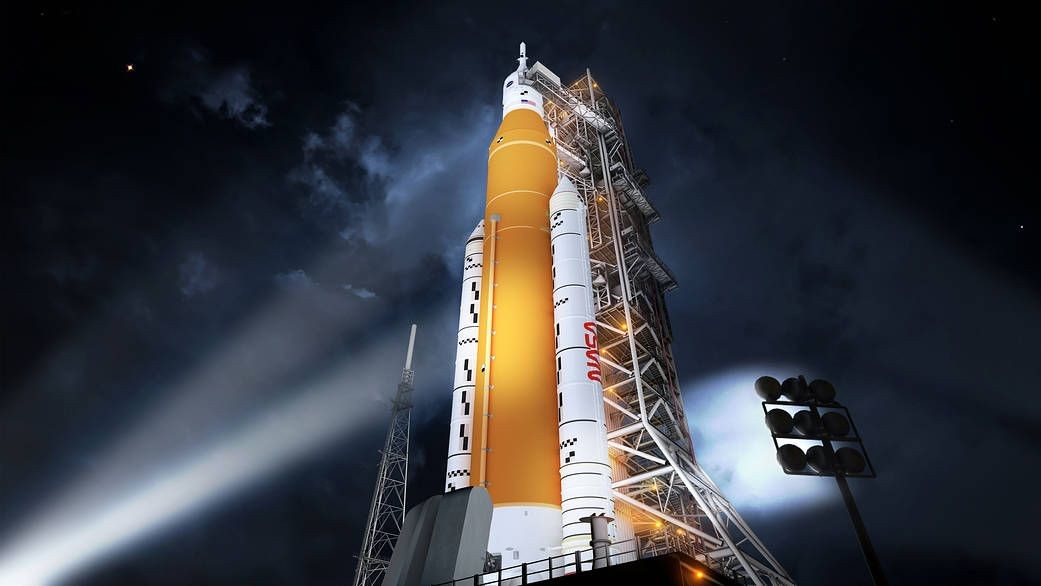
NASA is finalizing preparations to send the first crewed mission around the moon since the Apollo era, with the Artemis 2 rocket poised to roll out to the launchpad as early as January 17th. This mission represents a pivotal step toward establishing a sustained human presence on and around the moon.
The Artemis Program: A Return to Lunar Exploration
The Artemis program’s ultimate goal is to return humans to the lunar surface, with Artemis 2 serving as a critical test flight for future landings. This mission is not just about repeating past achievements; it’s about building a long-term infrastructure for deep space exploration. It will also mark the first time a woman joins a lunar mission, adding a new dimension to space travel.
Mission Details: A 10-Day Lunar Flight
Artemis 2 will carry four astronauts on a ten-day journey that loops around the moon and brings them back to Earth. The primary objective is to rigorously test the Space Launch System (SLS) rocket and Orion spacecraft under real-world conditions. This data is essential for ensuring the success of Artemis 3, which is scheduled to land astronauts on the moon by 2028.
“Crew safety will remain our top priority at every turn, as we near humanity’s return to the Moon,” says Lori Glaze, NASA’s Exploration Systems Development Mission Directorate.
The Rollout: A Slow, Precise Operation
Moving the SLS rocket and Orion spacecraft to the launchpad is a complex undertaking. The rocket stands at 322 feet tall—taller than the Statue of Liberty—and requires a delicate 12-hour crawl from the Vehicle Assembly Building to the launch site at Kennedy Space Center.
Despite being only 4 miles apart, the movement will be deliberate and cautious. NASA is prepared to delay the rollout if weather conditions or technical issues arise. Engineers have been addressing potential problems, including leaks in ground support hardware crucial for supplying Orion with oxygen.
Wet Dress Rehearsal and Final Checks
Following the rollout, NASA plans a “wet dress rehearsal” in late January. This involves fully fueling the rocket with over 700,000 gallons of cryogenic propellants and simulating a launch countdown, including procedures for propellant removal and safety checks. If successful, a Flight Readiness Review will determine the final launch date, currently estimated between February and April 2026.
The Artemis program has faced delays in the past, so these dates remain subject to change. However, the current timeline reflects NASA’s commitment to a crewed lunar orbit mission within the next few years.
The Artemis 2 mission is more than just a symbolic return to the moon; it is a demonstration of advanced technology, international collaboration, and a renewed ambition for space exploration. Its success will lay the groundwork for a permanent lunar presence and further ventures into deep space.


