


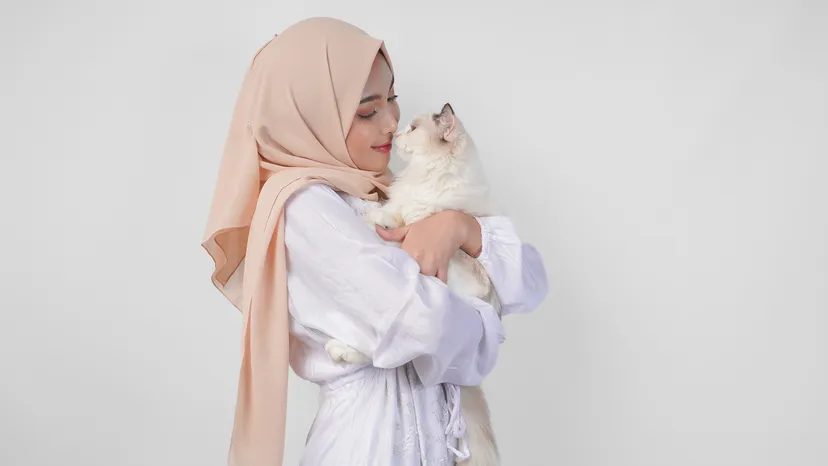
Dogs are said to be social butterflies. They wag their tails, greet you at the door and seem to love everyone they meet. Cats? They are described as cold, distant and indifferent. It’s a stereotype that persists. But it’s mostly wrong.
A cat that looks distant is not necessarily unfriendly. Often they are just being careful. Trust builds slowly in the cat world. If a cat blinks at you slowly, it’s not indifference. It’s a sign of respect. If they sit near you without touching, they are sharing space. That’s affection in cat language. Ignoring you might just mean they’re respecting your boundaries.
The personality of individual cats varies greatly. Breed characteristics set the starting point, but every cat is unique. However, some breeds are consistently more sociable than others. If you’re looking for a partner who actively seeks out contacts, these breeds are usually right up your alley.
Siamese
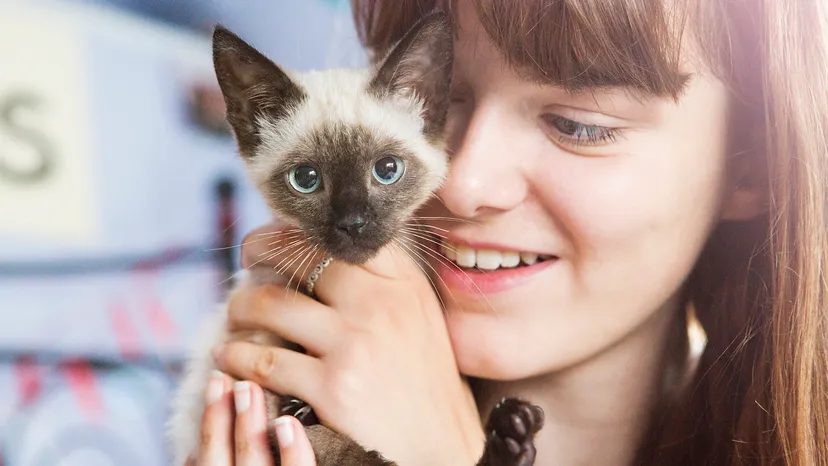
The Siameseese cat is loud. They are loud. They want to be involved in everything you do. If you ignore them, they will remind you of your existence. This isn’t a flaw. It is a trait of their personality. They have a deep bond with their people. They follow you from room to room. They require attention.

The Gentle Giant Personality
If Siamese cats are the talkative friends who demand your immediate attention, Maine Coons are the loyal companions who stick by your side without making a fuss. Despite their intimidating size, they are widely recognized as one of the most affectionate and gentle breeds available. They do not typically demand to be the sole center of the universe like some other breeds but instead prefer to be involved in your daily life from a comfortable distance or right on your lap.
These cats form deep, enduring bonds with their owners. They are often described as dog-like in their devotion, following their humans from room to room and greeting them at the door. This social nature makes them excellent candidates for households that want a pet with a strong personality but a calm demeanor. They thrive on interaction, yet they are rarely demanding or noisy.
Understanding the Maine Coon Breed
Physical Characteristics and Size
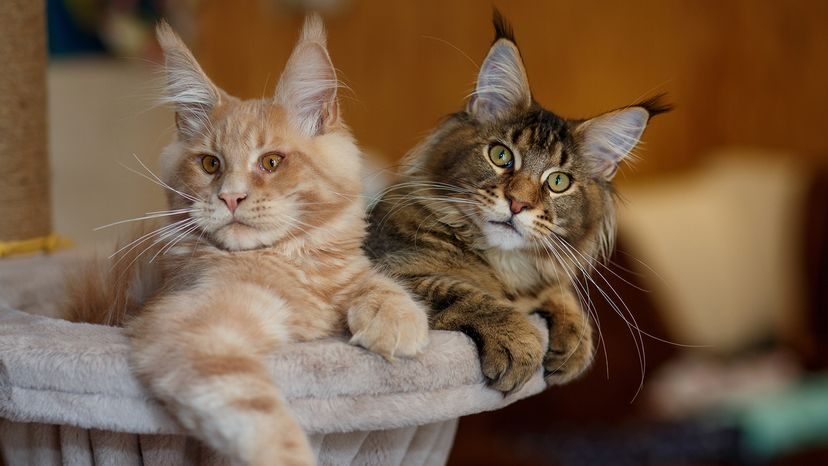
The Maine Coon is one of the largest domesticated cat breeds, with males often weighing between 13 and 18 pounds, though some can exceed 20 pounds. Their substantial size is matched by a robust, muscular frame and a distinctive appearance that includes a rectangular body, a broad chest, and a long, flowing coat. This luxurious fur is water-resistant, a trait inherited from their likely origins in harsh New England winters.
Their ears are large and tufted at the tips, resembling those of the Canadian Lynx, which adds to their wild appearance. The tail is particularly notable—long, bushy, and carried with a graceful arc. These physical traits are not just for show; they evolved to help the cat survive in cold climates, providing warmth and agility in snowy conditions.
Temperament and Social Needs
Maine Coons are known for their playful and friendly nature. They retain their kitten-like playfulness well into adulthood, enjoying interactive toys and games that challenge their intelligence. This breed is highly adaptable and generally gets along well with children, other cats, and even dogs, provided they are introduced properly.
Their intelligence is another defining feature. Maine Coons are quick learners and can be trained to perform tricks or even walk on a leash. This mental stimulation is crucial for their well-being. Without adequate engagement, they may become bored, which can lead to destructive behavior. Providing puzzle feeders or interactive play sessions is an effective way to keep their minds sharp.
Caring for a Maine Coon
Dietary Requirements
Due to their large size and active nature, Maine Coons have specific dietary needs. They require a high-protein diet to support their muscle mass and energy levels. It is important to monitor their food intake, as their tendency to eat can sometimes lead to obesity if not managed correctly. High-quality commercial cat foods formulated for large breeds or those specifically labeled for Maine Coons are ideal choices.
Regular veterinary check-ups are also essential to ensure their heart and joints remain healthy. Some Maine Coons are genetically predisposed to certain conditions, such as hypertrophic cardiomyopathy (HCM) and hip dysplasia. Early detection through regular health screenings can help manage these issues effectively.
Grooming and Maintenance
The Maine Coon’s long, thick coat requires consistent grooming to prevent matting and reduce shedding. Brushing two to three times a week is generally sufficient for maintaining their fur in good condition. During shedding
The Persian Cat: A Study in Contrast
If the Maine Coon is the exuberant, outgoing master of the house, the Persian is the aristocratic guest who arrives early and wants to stay for weeks. Often dismissed as high-maintenance divas, these cats are actually a fascinating example of extremely selective breeding. They’re not just fluffy; They were designed for a specific aesthetic that has remained unchanged for almost a century.
The most defining feature is of course the face. Flat. Round. Squashed. This brachycephalic structure gives them their iconic wide eyes and small ears, creating a look that humans have long associated with innocence and vulnerability. But this look comes with a trade-off. Their tear ducts are often deformed, resulting in the dreaded “tear stains” that need to be wiped away daily. It is the physical reality of their beauty.
Their coats are the other side of the equation. A Persian does not have fur; it has a cloud. The breed standard requires a long, thick and luxurious double coat. Without a special care routine, this cloud turns into a felted mat in a few days. This is not just vanity. It’s about health. Moisture and dirt trapped in thick fur can lead to skin infections. The term “high-maintenance” is not entirely unfair. It is a biological consequence of their design.
Despite their high grooming requirements, Persian cats are known to be low energy. You’re not the type to chase laser pointers or jump on high shelves. They prefer to lie on the couch and observe the household with quiet, distant interest. This makes them ideal for quiet houses or apartments. They are pets in the true sense of the word – present, loving, but rarely demanding.
So why are they still so popular? Because they offer a special companionship. In a world of fast-paced digital notifications and chaotic schedules, the Persian offers a slow, steady presence. They are a living reminder that some things are worth the effort. And for their owners, daily brushing becomes a ritual rather than a chore. A moment of connection on a busy day.
Debate continues as to whether their flat faces cause breathing problems. Vets warn against breeding for extreme traits, but general demand shows no signs of slowing. There is a tension between aesthetic requirements and animal welfare. A complicated knot that pet owners must navigate carefully.
After all, Persian is not for everyone. It takes time, money and patience. But for those who can meet these requirements, the reward is a cat of profound beauty and quiet devotion. They are a testament to human ingenuity, however flawed. And perhaps a reflection of our own desires for perfection.
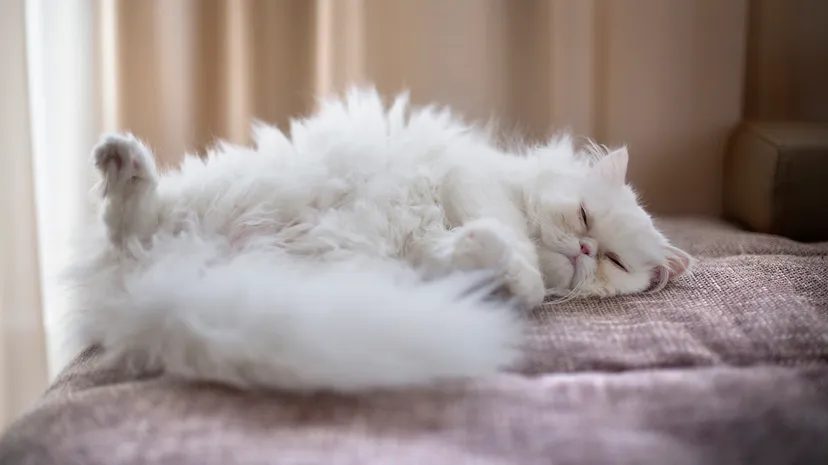

If you are looking for a cat companion that doubles as a stylish decorative pillow, the Persian cat is for you. Bred for their lush, long-haired coat, they are also known for their extremely low-maintenance personalities when it comes to being active. They are classic lap cats.
Their temperament is gentle. Soft. They would rather rest next to their owners than chase laser pointers. For people who prefer peace and quiet over chaos, these cats offer the perfect, calm presence. They are the epitome of peaceful camaraderie.
The Exotic Shorthair Alternative
Exotic Shorthair is a direct answer for those who want a Persian look without the hassle of grooming.
Developed by crossing Persian cats with breeds such as the American Shorthair, this cat is specially designed to retain the Persian’s sweet, calm personality and round, doll-like face. The difference? A fluffy short coat that is much easier to care for.
They have the same gentle attitude. They are not high energy hunters. They are cuddlers. If you like the Persian style but don’t have time for daily brushing, the Exotic Shorthair is a practical option. It keeps the Persian soul but removes the fur drama.
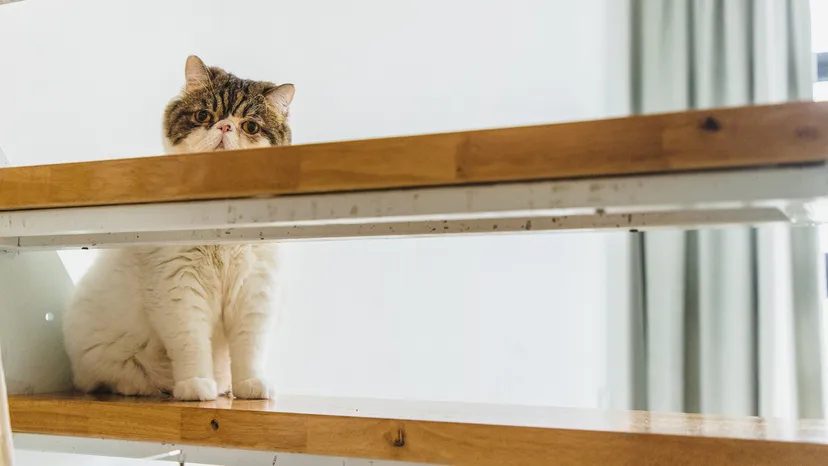
If you want the soul of a Persian but the coat of a regular house cat, look no further than the Exotic Shorthair. Often described as the short-haired cousin of the Persian, this breed offers the same sweet, loving disposition without the high-maintenance grooming routine. They are not just tolerant of affection; they actively seek it out, thriving on cuddles and close human contact.
The Burmese Breed Profile
Why the Burmese Stands Out
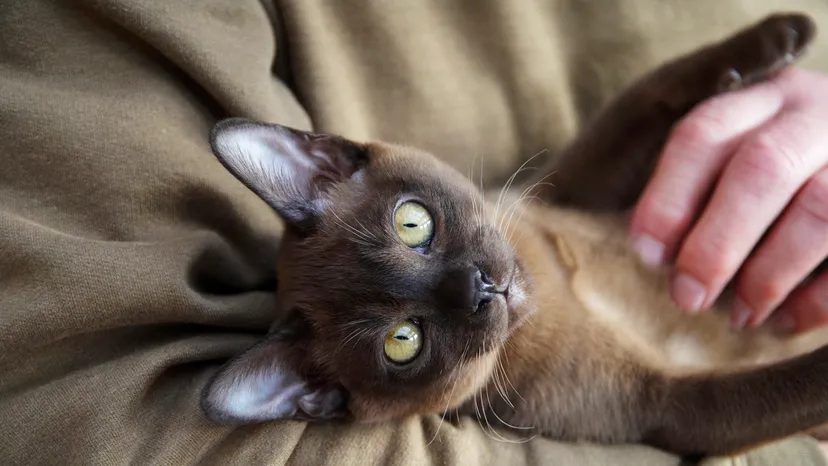
The Burmese is a breed that defies the typical aloof cat stereotype. Originally from Southeast Asia (specifically Burma, now Myanmar), these cats are known for their dog-like loyalty and intense curiosity. They don’t just want to be near you; they want to be on you.
Key Traits of the Burmese
- Personality: Often called “velcro cats,” they follow their owners from room to room. They are playful, vocal (but not shrill), and highly social.
- Appearance: Sleek, muscular bodies with a short, glossy coat that feels like satin. The most common color is sable brown, but they come in blue, champagne, and platinum as well.
- Care Level: Low. Their short coat requires only weekly brushing to remove loose hair.
Health Considerations
While generally robust, Burmese can be prone to certain genetic issues. Owners should be aware of potential risks for:
1. Hypokalemic Polymyopathy: A condition causing muscle weakness.
2. Diabetes Mellitus: Burmese may have a higher predisposition to insulin resistance.
3. Cranial Facial Defects: In some lines, brachycephalic traits can lead to breathing issues, though this is less severe than in Persians.
Who Should Choose a Burmese?
This breed is ideal for people who want a companion that is always involved in their daily life. If you work from home or spend significant time at home, a Burmese will likely view you as its primary entertainment source. They do not do well with long periods of isolation.
Comparison: Exotic Shorthair vs. Burmese
| Feature | Exotic Shorthair | Burmese |
|---|---|---|
| Energy Level | Moderate to Low | Moderate to High |
| Vocality | Quiet | Moderate |
| Grooming | Weekly brushing | Weekly brushing |
| Affection Style | Cuddly, lap-cat | Clingy, interactive |
| Best For | Quiet households, apartments | Active owners, families |
Both breeds offer deep emotional bonds, but their expressions of love differ. The Exotic is content to sit quietly in your lap while you read. The Burmese will paw at your phone, climb your shoulder, and demand a game of fetch. Understanding this distinction helps potential owners choose the right fit for their lifestyle.
What Makes Ragdolls So Unique?
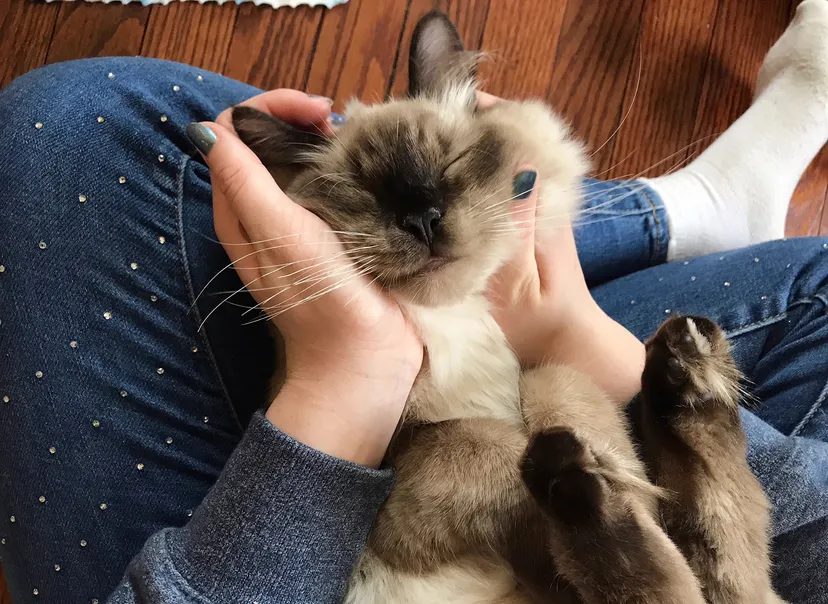
If you’ve ever wondered why some cats seem to melt into your arms like warm dough, meet the Ragdoll. Named for their tendency to go limp and relaxed when picked up, these felines are less like independent predators and more like furry blankets with eyes. They are deeply social creatures that crave interaction, often trailing their owners from room to room like a shadow. This isn’t just a quirky habit; it’s a core part of their identity. They want to be involved in everything you do.
How Do Ragdolls Compare to Other Social Breeds?
Unlike many cat breeds that tolerate their humans, Ragdolls actively seek them out. They are known for their gentle nature and patience, making them ideal for families with children or other pets. Their playful side doesn’t end with kittenhood; they remain kitten-like in their enthusiasm for games and exploration. This curiosity drives them to investigate every new object or sound in the house, but always with a calm demeanor.
Where Do Ragdolls Fit in Modern Homes?
Ragdolls thrive in environments where they receive consistent attention. They are not the type to hide under the bed when guests arrive. Instead, they will likely greet you at the door, expecting pets or playtime. Their need for companionship means they can suffer from loneliness if left alone for long periods. This makes them a poor choice for people who work long hours away from home without a companion pet.
Why Are Ragdolls So Popular Among First-Time Owners?
Their easygoing temperament and minimal grooming needs (their semi-long coat requires regular brushing but no matting issues like some other long-haired breeds) make them accessible. They are adaptable, quiet, and rarely destructive. This combination of traits reduces the stress often associated with new pet ownership, allowing owners to focus on bonding rather than damage control.
What Should You Know Before Adopting One?
While their affectionate nature is a major draw, it also means they need a committed owner. They are not independent cats. They require daily interaction and mental stimulation. Their large size, with males often weighing over 20 pounds, also means they need space to move and jump. Despite their size, they are gentle giants, often unsure of their own strength.
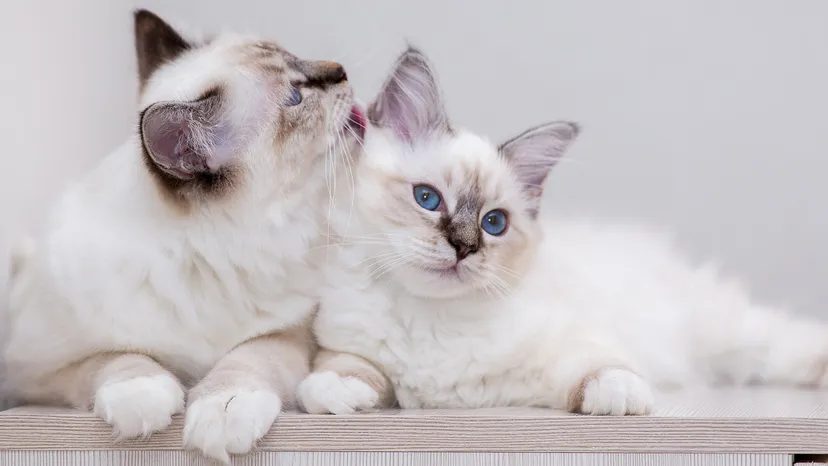
“Ragdolls are known for their striking blue eyes and colorpoint coats, resembling their distant relatives, the Siamese.”
The breed’s history is relatively short, with the first Ragdoll being bred in the 1960s in California. Since then, they have become one of the most popular purebred cats in the world. Their rise in popularity speaks to a growing desire for pets that offer both companionship and a calming presence.
Are Ragdolls Healthy Long-Term Companions?
Generally, Ragdolls are robust cats with a lifespan of 12 to 15 years. However, like all purebreds, they can be prone to certain genetic conditions. Hypertrophic cardiomyopathy (HCM) is a common heart disease in the breed, so regular veterinary check-ups are essential. Responsible breeders test for HCM, which helps ensure the health of future generations. This emphasis on health testing is a key factor in maintaining the breed’s reputation as a reliable and loving companion.
How Do

If you think you’ve seen everything there is to know about cat breeds, the Sphynx is awesome. This breed is known for looking like a small, wrinkled alien or a hairless mole rat. It challenges the very definition of what a cat should be. But don’t let the intimidating appearance fool you. Beneath the peachy downy skin beats the heart of a social, affectionate companion who craves human contact like no other breed.
The science behind the “hairless” look
The Sphynx is definitely not bald. It has a nice layer of down that feels like warm suede or the inside of a peach. This different structure is due to a natural genetic mutation. More specifically, it is an autosomal recessive trait. This means that both parents must have the gene for the kitten to be hairless. It is not the result of human breeding experiments or unethical practices, but rather a spontaneous mutation that was later stabilized by breeders.
The lack of thick fur significantly affects their biology. Without fur to store heat, Sphynx cats have a higher metabolic rate. They burn energy faster to stay warm. This is why they are often described as “warm to the touch”. They are hotter than the average tabby. In fact, they are often obsessively devoted to looking for warm places in the house – for example, laptops, sunbeams or the laps of sleeping owners.
Debunking common skincare myths
Because they lack a protective coat, sphynx cats require special care. That’s not to say they’re high maintenance in a burdensome way, but that’s something else. Their skin produces oils that are normally absorbed into the coat. Without the hair absorbing them, the oils accumulate on the skin. This can lead to a greasy feel and possibly clogged pores if left untreated.
Regular baths are essential, usually once a week. Critics may argue that this is burdensome, but for many owners it is a bonding experience. Cats love attention. Often they purr and purr loudly while bathing. It’s a ritual, not a chore. In addition to bathing, their ears must be cleaned weekly. The wax accumulates quickly without being absorbed by the hair. If this is ignored, infections can occur. Nail trimming and dental care are standard for all cats, but skin care is unique to the hairless profile.
Why the Sphynx is the best indoor companion
Despite their exotic appearance, sphynx cats are deeply domesticated. They were developed in the 1960s and 70s by selective breeding of domestic shorthairs that had the characteristic of hairlessness. The goal was never novelty, but companionship. The result is a cat that is very social. They are often called “velcro cats” because they follow their owners from room to room. They don’t just tolerate the presence of humans; they demand it.
Therefore, they are less suitable for people who are away from home for a long time. They can develop separation anxiety if they are left alone too often. However, for someone who works from home or lives alone, they are ideal. They are playful, intelligent and mischievous. They often learn tricks and can be taught to walk on a leash. As a result, their energy levels remain high into adulthood
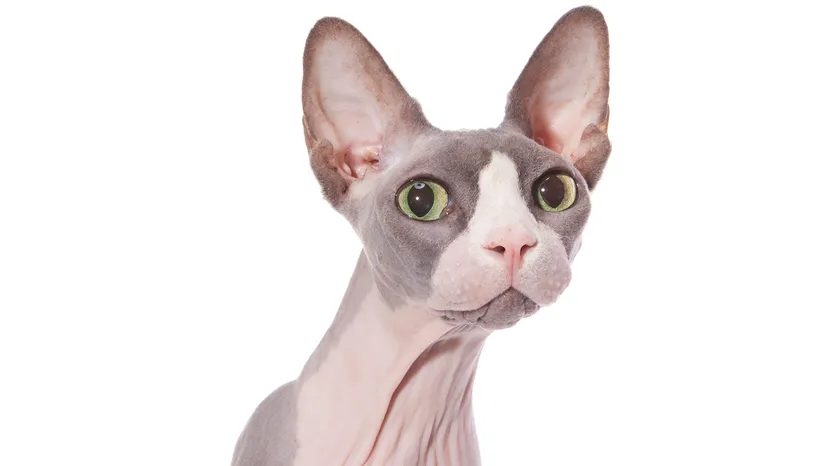
However, they compensate for the lack of fur with warmth. Sphynx cats are naturally social creatures and crave attention. They love to be close to their owners. They also get along well with other pets.
Scottish Fold
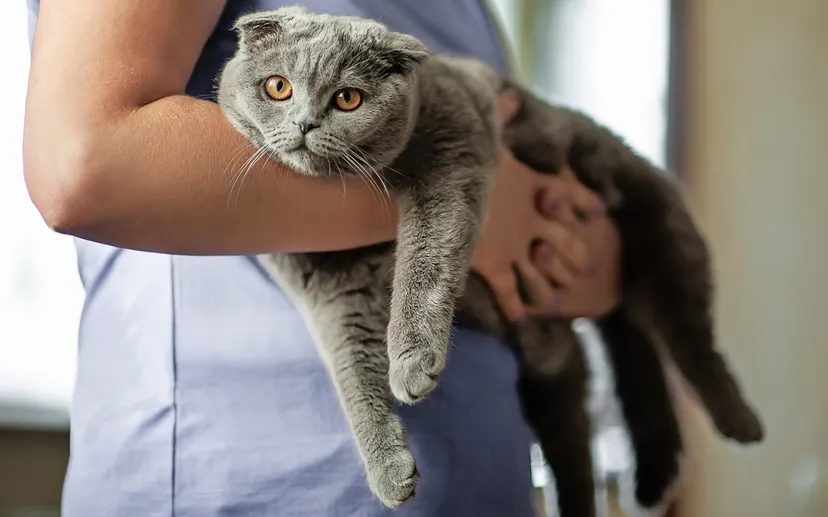
Then there is the Scottish Fold. You will see them first in their ears. The ears fold forward and down. This gives them an owl-like appearance. The look comes from a natural genetic mutation. It affects cartilage throughout the body.
This characteristic defines the breed. It also defines their health risks. The same gene that folds ears can weaken joints. Osteochondrodysplasia is the medical term. It causes painful arthritis. Responsible breeders test for this. They avoid mating two folded cats. This reduces the risk of severe disability.
A cat’s personality matches its appearance. They are cute and adaptable. They do not require continuous play. They prefer to watch from a perch. A folded ear does not prevent them from hunting toys. It just seems like they are listening carefully.
Which breed suits your home? A Sphynx needs warmth and companionship. The Scottish Fold needs gentle handling. Both require specific care. Neither is an low-maintenance pet. They are companions with needs.

9. Abyssinian
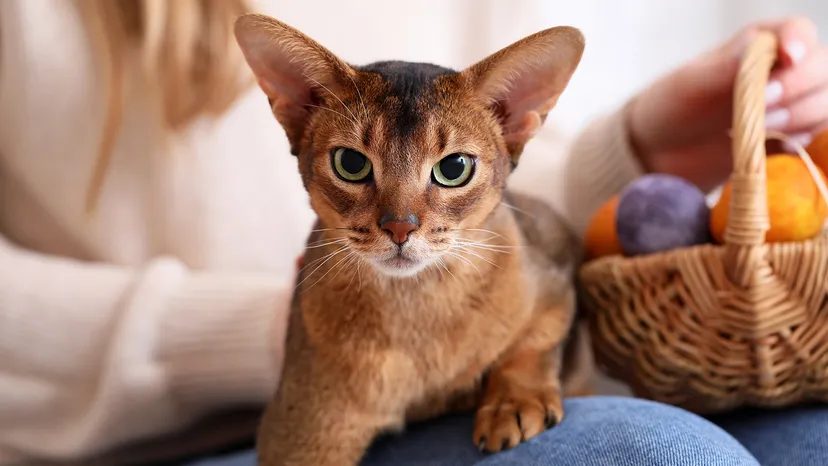
If Scottish Folds are the cute sloths of the cat world, the Abyssinian is a hyperactive sprinter. This breed is characterized by one striking feature: the coat. The Abyssinian was one of the first domestic cats whose fur was genetically described. These distinctive markings are the result of a natural genetic mutation called “agouti”, where each individual strand of hair is a different color. It gives them a wild, wildcat-like appearance, even though their nature is anything but wild.
These cats are very social and have close bonds with their humans. They don’t just sit on your lap; they want to be involved in everything you do. Do you need to fold laundry? The Abyssinian will supervise. Who’s cooking dinner? They walk across the counter to help. It’s not that they are inherently destructive, but they are intellectually curious and need constant stimulation.
This high energy is both their charm and its challenge. They are not easy pets to care for. An Abyssinian left alone with nothing to do can become bored, which often leads to mischief. They thrive in homes where they have vertical climbing space and interactive toys to engage with. Despite this high drive, they tend to be gentle and affectionate, making them wonderful companions for active families who can keep up with their pace.
Tonkinese: a social hybrid with a touch of energy
If the Abyssinian is the life of society and the Birman the calm therapist, the Tonkinese is the charismatic friend who needs you to pay attention to. This breed is a direct cross between Siamese and Burmese, a genetic mix that resulted in a cat that is much more social than the average cat.
They are not content to sit quietly in the background. Tonkinese are energetic and curious, inheriting from both parent breeds, but they temper this intensity with a deep affection for human interaction. They are one of the most sociable cat breeds and often follow their owners from room to room, not out of annoyance, but out of genuine companionship.
For households considering a new pet, this breed stands out for its ability to bond. They are playful and engaging, making them excellent companions for families who want a cat that participates in everyday life rather than watching from afar. Although they retain some independence, their desire for contact means they thrive on interaction, whether it’s fetching or simply resting by your side while you work.
Why is this important? Because many people assume that cats are solitary creatures. The Tonkinese disproves that myth. It offers potential owners a middle ground: the affection of a Burmese mixed with the vocal and active nature of a Siamese, but toned down just enough to be manageable in a typical home.
Burmese cats are not lap cats in the true sense of the word. They are active partners. If you’re looking for a pet that welcomes you at the door and demand engagement, this hybrid is for you. It is a breed designed for connection and not just coexistence.
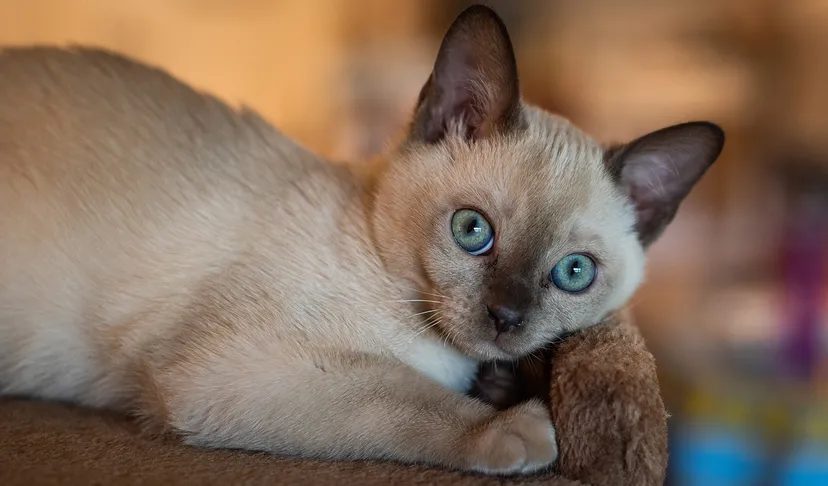

东奇尼猫 给餐桌带来了同样粘人的能量。 作为暹罗猫 和缅甸猫 的混血儿,它继承了父母双方最好(也是最响亮)的特征。 他们不只是坐在你的腿上;他们要求坐在你的腿上。 他们要求参与其中。
这些猫会说话。
不是以一种痛苦的方式,而是以一种“嘿,我在这里,承认我”的方式。
它们在人类周围不断地发出咕噜声,发出一种低频的嗡嗡声,有些人觉得这种嗡嗡声可以让人冥想,而另一些人则觉得让人筋疲力尽。 这是一种人格特质,而不是缺陷。
如果你想要一只更像影子而不是独立室友的宠物,那么这种组合就可以满足你的需求。
Devon Rex 的社会天性
Turning to number 12, Devon Rex offers a different emotional style.
Cats known for their big ears and wavy fur are surprisingly sociable. 它们不躲藏。 They often follow you from room to room and sit on your shoulders or legs while you try to work.
Why are they doing this? Their fur lacks the insulating undercoat of a typical cat, which makes them feel colder. 它们寻求体温。 Their realistic desire for warmth 使它们 relentless 地追求你的膝盖。
“The Devon Rex cat is often described as loyal and social, like a dog.”
They thrive on attention. If left alone for too long, they can become anxious and develop destructive behaviors. When you bring them home, they immediately check every inch of your body, checking your pockets, your hair, and anything else that might bother you.
比较亲昵风格
Not all hugs are created equal.
- 东奇尼猫: Singing, demanding and sociable. 它们想要互动。
- Devon Rex: 身体接触型的, warmth-seeking and loyal. They want to be close.
Both breeds defy the stereotype of being an aloof feline companion. They want to participate in the activity. 如果你喜欢会顶嘴的猫,选东奇尼猫。 If you need a portable furry heating pad, choose the Devon Rex.
The choice depends on the type of noise and the proximity you can tolerate.
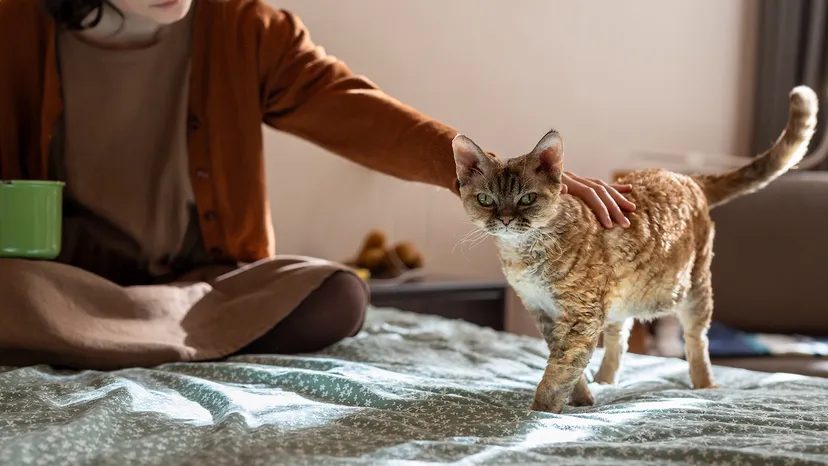
Devon Rex: Pocket Personality Bag
Devon Rex cats may be small in size, but they can grow quite large when playing. The charm of cats is packed into a compact frame. They are not your typical secluded house cat. Instead, they thrive on interaction.
They want to be around people. In general, children are a safe choice for Devon Rex cats. They are patient and playful. They get along well with other pets. In fact, they often seek the companionship of dogs and other cats. This social nature makes them stand out from the independent cat world.
This article was written with the help of artificial intelligence. It is fact-checked and edited by HowStuffWorks editors. This ensures the correctness of the information. It also maintains a friendly tone. You get reliable information without academic rigidity.


