智能手机变得昂贵。 快速地。 硬件军备竞赛——更大的屏幕、更好的摄像头、更快的芯片——已经推高了成本,而这些成本正在打击你的钱包。 没有什么地方比土耳其更痛苦了。
再加上高税收和货币波动,购买一部新的旗舰手机感觉就像买一辆二手车。 这是荒谬的。
但正在发生转变。 中国制造商正在以激进的定价进入市场。 他们不只是销售廉价塑料; 他们销售的是真正有效的优质设备。 与此同时,各大品牌都在降低中档车型的入门价格,以保持竞争力。 这次比赛对你来说是个好消息。 您可以用更少的钱获得更好的技术。
如果您不想在手机上花一大笔钱,但仍然需要能够处理日常任务而不会出现延迟的手机,那就不用再犹豫了。 我们编制了一份 1,000 里拉以下的最佳预算智能手机列表。 从这里开始。
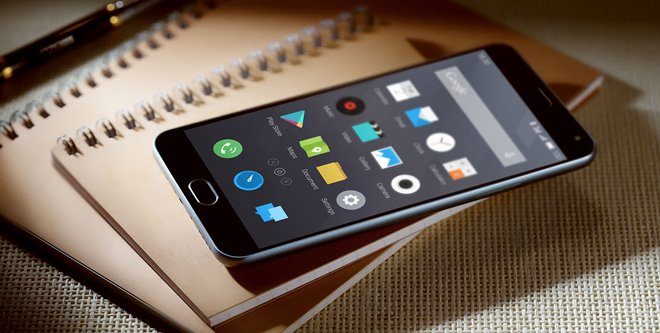
Meizu M2 Note: 840 TL is the best value for money
Let’s start with the Meizu M2 Note. At roughly 840 TL, it punches well above its weight class.
Meizu is known for creating stylish devices with clean software, and the M2 Note is no exception. It has a solid 5.5 inch screen and offers good value for money. Under the hood, it has a MediaTek processor that can handle everyday applications (social media, messaging, light gaming) with ease.
Why is this important? Because most of the phones in this price range save on build quality. The M2 Note is made of metal, which not only looks good, but also dissipates heat more efficiently than the plastic cases of cheaper competitors.
If you ask me what is the best budget smartphone under 1000 TL for daily use, the M2 Note is a strong candidate. It balances performance and design in a way that few other products at this level can. Get a mobile phone without compromise.
Of course you don’t play the latest AAA games at high settings. But it works well enough for checking email, browsing the web, and taking nice photos in bright light. This is a reminder that you don’t have to spend extra money to get a great device.
The market is crowded, but clarity is rare. In a world of overpriced flagships, products like the Meizu M2 Note are a breath of fresh air. They make big companies pay attention. This is good for consumers who just want a good phone.
What will the next model bring? Would a sensor be better? Does it charge faster? Or is it just wrapped in shiny packaging because it’s expensive? Time will tell. But for now, the M2 Note proves that anything is possible when companies prioritize value over vanity metrics.
Meizu made bold promises about hardware quality and affordability with the M2 Note, and surprisingly, they actually delivered. This is not just hype. User reactions have been positive and it is a very interesting option for those who are tired of expensive mid-range phones. A closer look reveals that the device has an octa-core processor clocked at 1.3 GHz. Combined with 2 GB of RAM, you can handle your daily tasks without any delay. You get good performance at an affordable price. The screen is large, 5.5 inches. It’s not huge, but it’s big enough for a comfortable read. The battery capacity is 3100 mAh. This is enough to carry around all day without worrying about finding a outlet. Cameras in this class come standard with a 13-megapixel rear lens and a 5-megapixel front lens. If you need to look at a specific benchmark or build quality details, you can check out our full technical specification.
LG G4 Stylus price point
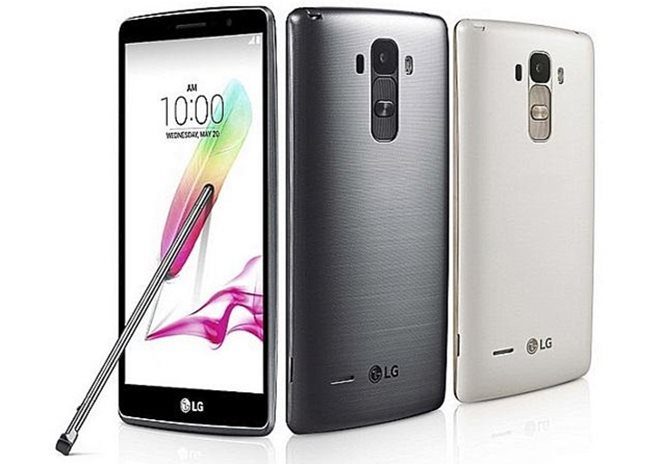
Then there’s the LG G4 Stylus. The price is around 830 TL and it sits in a slightly different bracket. It offers a stylus, which changes the game for note-takers and those who want precise navigation on a large screen. This pricing makes the product accessible to a wider range of users in local markets where currency fluctuations can make flagship phones feel out of reach.
Comparing Value in the Mid-Range
When weighing Meizu vs. LG, your choice is really between raw processing power and practical features. Meizu focuses on core experiences such as display, battery and speed. LG has added physical tools to improve productivity. Which one is better? It depends on what you type into Google at 2am. “Best cheap phones for multitasking” or “How to take notes on Android for cheap.” Meizu does a good job at multitasking. LG offers a physical pen for taking notes.
There is no perfect balance here. Just trade-offs. You may be sacrificing a little processor speed for the convenience of the pen. Or you can use Meizu’s cleaner, faster hardware and use a digital note-taking app instead. Both devices prove that you don’t have to spend a fortune to get a phone that feels capable. The market is crowded. To find the right product, you need to ignore the marketing nonsense and check the specifications. The M2 Note’s 2GB of RAM isn’t that much by today’s standards, but it was enough for its time. LG’s price tag of 830 TL is a specific number that backs up its value proposition. It’s not a flagship killer. This is a practical tool. And sometimes that’s exactly what people need.
Why the Lenovo P70 is the budget king when it comes to battery life
If the LG G4 Stylus is a contender for a mid-range stylus, the Lenovo P70 is a beast that doesn’t need a stylus to dominate the conversation. It is priced at around 780 TL (around $250–$300 depending on the exchange rate at the time of publication) and is aimed at a very specific and underserved niche of people who don’t want to carry a charger with them.
LG offers a sharper screen and updated processor, but the Lenovo P70 solves the daily annoyance of a dead battery.
High capacity battery, reasonable specs
The biggest news isn’t the camera or screen size. This is a 3400 mAh battery. In an era where flagship phones are powered by 4000mAh, Lenovo has packed an incredibly dense battery into a mid-range case. The result?
- Multi-Day Standby: This is more than just an “all day” battery. The battery lasts comfortably for “two days with moderate use”.
- No power anxiety: For commuters or travelers, this was a game-changer.
Under the hood, it runs on a MediaTek MT6592 octa-core processor. It’s not the fastest chip on the market, but it’s good enough for social media, navigation and light multitasking. It has 2 GB of RAM and 16 GB of internal storage, expandable with a microSD card.
The Camera: “Good Enough”
13 MP 后置摄像头 具有 f/2.0 光圈,在日光下表现不错。 不出所料,低光性能处于平均水平。 但对于这个价位的手机来说,它可以拍摄清晰、可用的照片。 5 MP 前置摄像头 虽然很基本,但功能齐全。
It didn’t compete with the LG G4’s camera software or sensor size. It competed on value.
Who Was the Lenovo P70 For?
- Students on a tight budget.
- Parents needing a spare phone that lasts all weekend.
- Anyone who prioritizes battery life over gaming performance.
The Verdict
联想 P70 并不漂亮。 速度并不快。 但它是可靠的。 事实证明,您不需要旗舰规格即可获得出色的手机体验。 您只需要一块不会耗尽的电池。
在拥挤的中端市场中,它通过解决最基本的问题而脱颖而出:让手机保持活力。 尽管电池技术已经慢慢改进,但这一传统至今仍能引起共鸣。
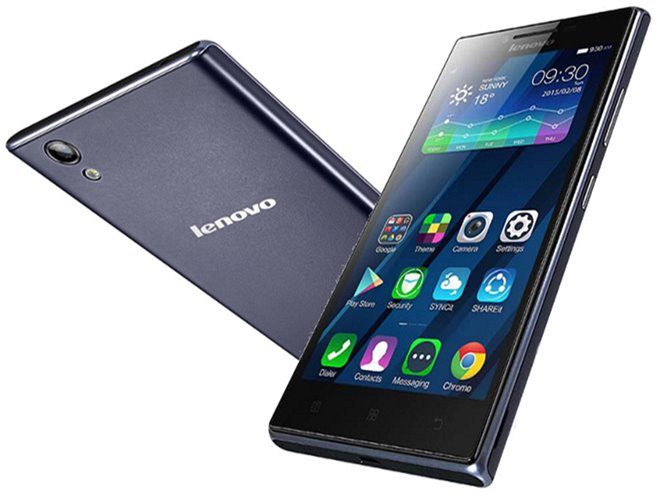
Lenovo has a strong position in the smartphone market, especially in Turkey, where its wide range of models resonates with budget-conscious buyers. The brand isn’t chasing prestige; it’s chasing utility. Most of its devices are good value for money. They offer models that other major manufacturers are not ready to sell in the local market. This makes Lenovo one of the most capable options for budget users.
Let’s take the Lenovo P70 as an example. On paper, it doesn’t look like a luxury product. It has a 1.7GHz octa-core processor and 2GB of RAM. It’s modest. But that’s the point. Thanks to Lenovo’s stable user interface, these specifications do not become a bottleneck for daily work or casual gaming. You get consistent performance without the usual latency issues of cheaper competitors.
The real headline here is the battery.
It has a large capacity of 4,000 mAh. Combine this with a 5-inch 720p HD display and an energy-efficient processor for superior durability. This isn’t just a phone you can use all day. This is the phone that eliminates the need to find an outlet and frees you from frequent use.
Connections have also been improved. P70 includes USB On-The-Go support. This means you can use your phone as a power bank to charge other devices. This little feature solves a big problem when you don’t have a charger.
The camera setup is practical without being flashy. It has a 13-megapixel rear camera and a 5-megapixel front camera. It’s good enough for a sharp social media post or a decent group shot, but it won’t win you any photography awards. Still, it’s a fair compromise for a device that values battery life and value.
Huawei Ascend P8 Lite – 999 TL
For Huawei, the Ascent P8 Lite has joined the fray at TL 999.
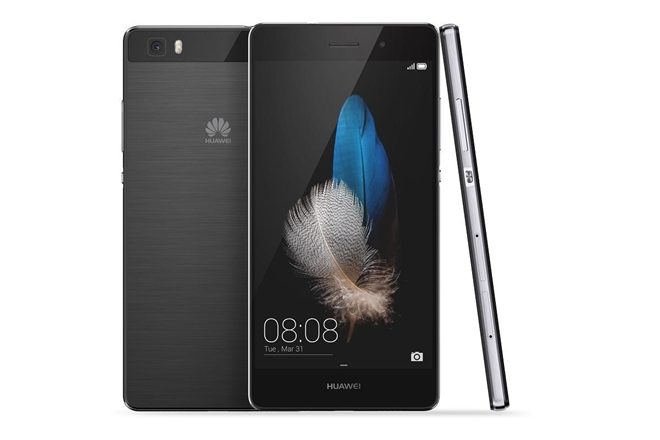
Huawei has been in the global game longer than most of its Chinese counterparts. That head start landed them the company among the top three smartphone vendors in the world. While its high-end models grab the headlines, it has also made inroads into the lower-end models with its Ascent range. The Ascent P8 Lite is a great example of where they are aiming to compete.
It’s not just a cheap cell phone. It brings serious specs at an affordable price.
At the core of the device is a 1.2 GHz octa-core processor. This is very high processing power for this tier. Coupled with 2GB of RAM. With this combination, you can handle daily tasks with ease. The screen is the usual 5 inches with 720p HD resolution. This is clear enough for media consumption. The battery capacity is 2200 mAh. Huawei claims about 11 hours of active use. This is decent battery life for a mid-range device.
Photography is where it gets interesting. The resolution of the rear camera is 13 million pixels. The sensor on the front is 5 million pixels. Both can record Full HD video. For the price, this is a strong feature set.
General Mobile Challenger
Next is the local tournament. We are looking at the General Mobile Discovery 2 Plus. In the Turkish market, this phone costs around 920 Turkish Liras.
Are they direct competitors? It depends on what you value. Huawei offers global brands and more powerful processors. General Mobile offers lower entry price and local support.
Which one is better?
If you want raw processing power and an acclaimed camera system, the Huawei Ascent P8 Lite is a great choice. An octa-core chip and dual Full HD video capability give it an edge. Battery life is also a big plus.
However, budget constraints are important. If 920 TL is a hard limit, Discovery 2 Plus forces you to make a compromise. You get a phone. You might get decent performance. However, you may be sacrificing the chipset depth and camera versatility.
The budget smartphone market is very crowded. Brands squeeze every ounce of performance out of cheaper components. Huawei’s strategy is clear. They don’t just sell equipment. They are selling the idea that you do not have to pay premium prices for premium features.
Will the local brands be enough to attract buyers, or will the weight of the Huawei name and its specifications tip the scales? The answer may lie in how long you intend to keep your device. Long-term users often prefer the robustness of the octa-core chip. Casual users can continue to use cheaper options until it breaks.
The Ascent P8 Lite is still a strong contender in the mid-range segment. This shows that Chinese manufacturers are moving from imitators to innovators. Even at the lower levels, they set new standards.
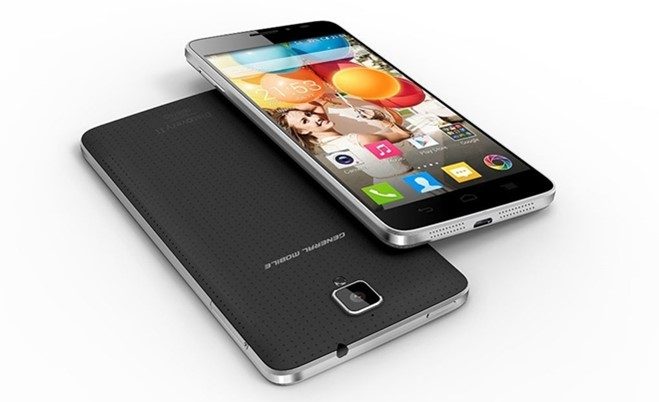
General Mobile didn’t just break into this market. It took over. The Discovery series has become a staple in Turkish households, and the original model is consistently among the best-selling mobile phones in the country. By repeating this success, the brand maintained its momentum. Well, the Discovery 2 Plus stands out not only for its technical features but also for its aggressive pricing strategy.
Let’s talk hardware. Under the hood, the device runs on an octa-core processor with a clock frequency of 2.0 GHz. That’s plenty of muscle is enough for everyday life. Coupled with 2GB of RAM. Some may find this modest by modern standards, but for a budget device, it’s still good. The real win here is the battery. This phone has a 2500 mAh battery that gives you a full day of battery life without having to hunt for an outlet until 3pm.
The camera setup is simple: 13 MP rear camera and 5 MP front lens. It won’t win any photography awards, but in the right light it can take decent pictures. You’re looking at a 5-inch screen protected by Corning Gorilla Glass 3. This glass is important. Adds a layer of durability to protect against the inevitable drops and scratches that come with everyday carry.
For buyers looking for affordable Android performance, the Discovery 2 Plus offers an attractive combination of 8-core performance and solid battery life.
Samsung Galaxy A5: A good option for 999 Turkish lira
Next up is the Samsung Galaxy A5. The price is 999 TL, so it is a completely different price range.
While the General Mobile option prioritize raw processing power and battery capacity in a simple package, the A5 prioritizes build quality and brand ecosystem. This is a mid-level contender. The price suggests that this device is more premium than its plastic-based competitors.
Why is this distinction important? Because cheap smartphones often force people to compromise. With the Discovery 2 Plus, you get a faster processor and a bigger battery, perhaps at the expense of camera nuances and build materials. With the Galaxy A5, you pay for Samsung’s user interface, better screen calibration and a frame that doesn’t break under stress.
It’s not a question of which phone is “better”; It’s about what you value more. Do you need raw multitasking speed and battery life, or do you want a flawless user experience and a device that looks as good as it works?
In a market full of options, the Discovery 2 Plus remains a strong contender for cost-conscious buyers. However, the Samsung Galaxy A5 proves that you can experience premium features for as little as 999 TL. The difference between the two isn’t just in price. This is philosophy. One is made with practicality in mind. The other is builds for desire.
Which route makes more sense for a daily driver?
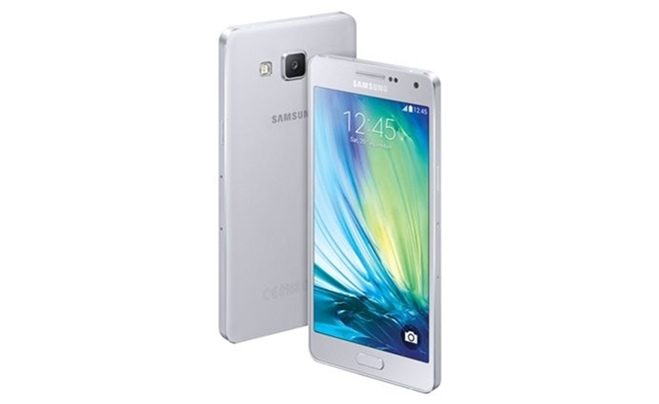
Cheap smartphones under 1,000 TL: Samsung Galaxy A5 and Lenovo A7000
The Samsung Galaxy A5 has finally crossed the most important psychological barrier for budget-minded buyers in Turkey. After a strategic design change to offer a premium metal body for mid-range devices, the price has dropped below 1,000 TL. This is not just a small discount. This phone is placed in a competitive class where every lira counts.
The internal hardware is rudimentary, but functional. The A5 has a Qualcomm Snapdragon 410 processor running at 1.2GHz quad-core. It has 2GB of RAM, which is enough for basic multitasking, but may feel outdated if you’re dealing with heavy applications. The screen is 5 inches with 720p HD resolution. It’s slim and sleek, fitting the ‘metal-clad’ narrative that Samsung is so keen to promote, offering a tactile feel that its plastic predecessors lacked.
Samsung is trying to attract young people to the camera features. The rear camera has a 13-megapixel sensor and the front camera has a 5-megapixel wide-angle lens. The company targets users who prioritize their social media presence and offers dedicated selfie software that enhances these features. However, battery life is a potential weakness. The 2,300mAh capacity is on the small side for a 5-inch display, and heavy users may need to charge it before the end of the day.
The Lenovo A7000 Alternative
如果说 A5 的电池容量令人惊讶,那么联想 A7000 以更低的价格提供了不同的价值主张。 起价约为 620 TL,稳居入门级类别。
虽然该片段在详细介绍 A7000 的完整规格之前就被切断了,但它在这次比较中的出现凸显了 1,000 TL 以下细分市场中激烈的价格战。 买家经常权衡三星的制造质量和联想的原始价值。 金属机身和 13 MP 摄像头是否值得更高的成本? 或者联想是否能以一小部分的价格提供足够的基准性能? 选择通常取决于您是否优先考虑美观和相机软件,或者只是想要以尽可能便宜的方式进入智能手机生态系统。
现在 A5 的价格低于 1,000 TL,预算与中档之间的差距已显着缩小。 它迫使消费者仔细考虑权衡。 您可以获得更好的外观和更好的相机,但与旧的、更便宜的型号相比,您牺牲了电池续航时间和处理能力。 联想的排名较低,吸引了那些需要一款设备来进行通话和基本消息传递而不需要任何装饰的人。 市场是分散的,这两款手机都不是每个人的明显赢家。 它们只是针对同一个问题的不同解决方案:如何在不花费大量资金的情况下保持联系。
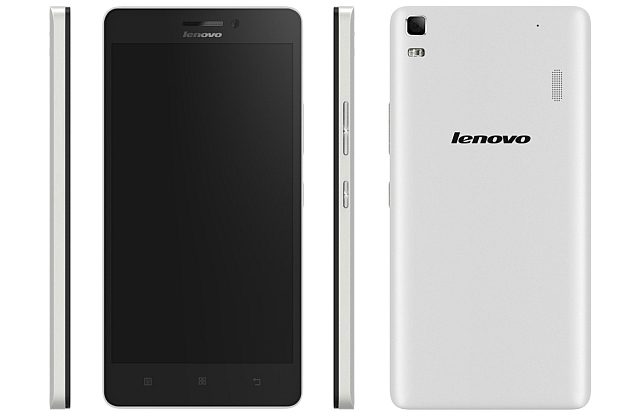
If you’re looking for a cheap phone that doesn’t sacrifice performance, the Lenovo A7000 is worth a look. It sits in the tricky but exciting zone between entry-level and mid-range, proving you don’t need to spend a fortune to get real power.
At its heart is a 1.5 GHz octa-core processor and 2 GB RAM. This combination may sound modest by today’s flagship standards, but it actually delivers impressive performance. You don’t play the most demanding mobile games on Ultra settings, but you can handle everyday tasks smoothly? Multitasking? surprisingly capable.
Next, the camera settings. An 8MP rear camera and 5MP front camera are standard, but the real highlight is the video capabilities. The device records Full HD. For many users, this resolution is the best way to share clips on social media without increasing the file size. This is very practical. It is very practical. It just works.
Where is the battery?
5.5 inch screen 2,900 mAh battery in the frame sounds like something that would normally cause anxiety. Big screen. small battery. Usually, you’re charging by 2 PM. Not here. The A7000 manages efficiency well and offers a long-lasting experience regardless of screen size. You get the screen real estate without the constant tether to a wall outlet.
At around $640 (or local equivalent) this phone punches above its weight. It challenges assumptions about what budget devices can do. Is it perfect? No. But is it worth every penny? Absolutely.
General Mobile Android One 4G: Another strategy on a budget
Then there is the General Mobile Android One 4G, available around 640 TL.
While Lenovo focused on raw data on paper, this device takes a different approach. It leans into the Android One philosophy. What does this really mean to you?
- Native Android Experience: No bloatware. No skin. Just clean Google software.
- Fast Updates: Security patches and operating system updates are available directly from Google without the need for approval processes from carriers or manufacturers.
- Longevity: Phones with Android One program are generally supported for a longer period of time than cheaper phones.
This is a strong contender for users who value software purity and long-term reliability over raw processing speed. It may not have the octa-core muscle of the Lenovo, but it offers a cleaner, more stable experience that doesn’t slow down even after months of updates.
These two phones represent different answers to the same question. How do I get the most out of a limited budget? One gives you power. The other gives you purity. Which is more important in your daily life?
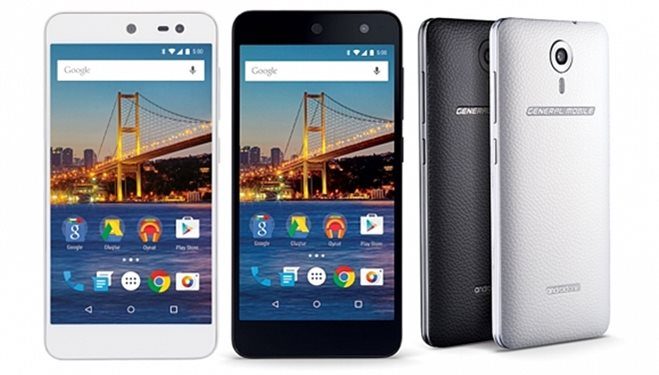
The General Mobile device are co-developed with Google and run a clean version of the Android operating system. This means that users are likely to receive the latest system updates before most other phones. Under the hood is a 1.2 GHz quad-core Snapdragon 410 processor. It has 2GB of RAM and a 2500mAh battery.
The camera setup includes a 13-megapixel rear lens and a 5-megapixel front sensor. It supports Full HD video recording. For those looking for a pure Android experience with no bloatware, this phone offers a solid option at an affordable price. You can find a more detailed review via the original source link.
LG Aka Review
Further down the list you will find the LG Aka. The price is around 760 Turkish lira, so it is a cheap option. The source text is omitted here, but its meaning is clear. This is another entry-level device aimed at cost-conscious consumers who want basic smartphone functionality without breaking the bank.
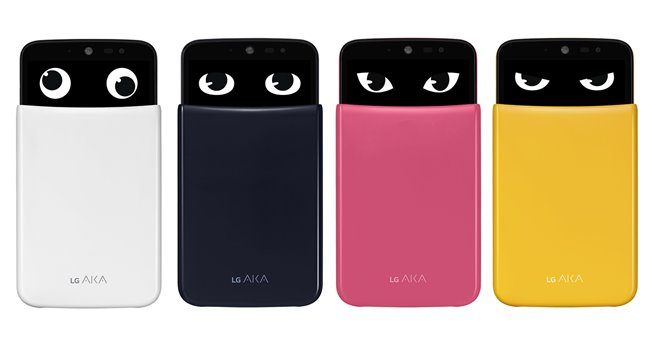
The Phone That Looks Back At You
LG has long been synonymous with flagships, but this device feels like a deliberate detour. It wasn’t trying to out-spec the heavy hitters. Instead, we offer a novelty that you won’t find anywhere else.
The centerpiece? Two digital eyes on the screen.
It does more than just tell the time. They simulate personalities. You can adjust your expressions and change your mood based on the time of day or notifications. It’s a quirky, almost intuitive interface that turns your regular smartphone into a companion.
The internals are modest, but functional.
The 1.2GHz quad-core Snapdragon 400 processor can handle everyday tasks. With 1.5GB of RAM, it’s not designed for long-term gaming. It was built to last. The 5 inch 720p display is clear enough for reading and social media. The 2540mAh battery is the real star here, outlasting many of its competitors with larger batteries.
The camera settings follow the same pragmatic philosophy. An 8 MP rear sensor captured decent photos in good light. Frankly, the 2.1MP front camera is an afterthought. But nobody buys this phone to take selfies.
They buy it for the experience. This is the argument that cell phones don’t need to be supercomputers to be interesting. It just has to have personality.
Samsung Galaxy J7
A Budget Contender With Substance
9) Samsung Galaxy J7 – 900TL
If LG is an eccentric artist, the Galaxy J7 is a solid performer. At a competitive price of 900 TL, it enters the market with no illusions of being a flagship killer. This is an entry-level device, but Samsung knows how to pack value.
The J7 series aims to bridge the gap between cheap plastic budget phones and the high-end Galaxy S series. It has a metallic finish that makes it feel more expensive than it actually is. The build quality was surprisingly sturdy for the price point.
Performance is based on Samsung’s own Exynos chips or Qualcomm’s Snapdragon 400 series, depending on the region. These are powerful processors optimized for battery life rather than raw power. It handles multitasking well unless you are trying to run graphics intensive games.
The display was a standout feature for its class. 5.5 inch Super AMOLED display offers vivid colors and deep blacks. In a field often plagued by lackluster IPS panels, the J7’s display is a breath of fresh air. The text looks clear. Media consumption is fun.
3000 mAh battery provides a long battery life. It easily lasts all day if used sparingly. Charging is standard, not very fast, but reliable.
The camera works well. The 13MP rear camera has an f/1.9 aperture and works well in sunlight. Photos taken in the dark are grainy, but okay for uploading to social media. 5 MP front camera is enough for video calls.
The Galaxy J7 succeeds because it doesn’t try to do everything. We focus on getting the basics right. It offers luxury and a great display at an affordable price. This is a sure bet. Sometimes you just need security
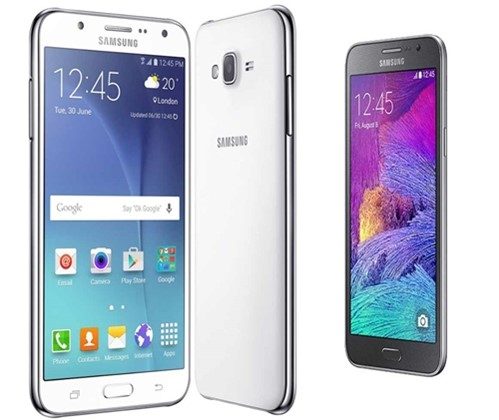
Large display case
Samsung’s entry into the large screen market is simple. They developed the Galaxy J7 for people who actually watch content on their phones. If you are tired of staring at small screens while diligently watching programs, this device is for you.
Hardware supports this lifestyle. You get a 5.5-inch, 720p HD resolution screen. It’s not 4K, but it’s clear enough for streaming video. Combine that with a 3,000mAh battery and you’ve got a phone that lasts all day. No more searching for a store before an evening trip.
Behind the scenes, Samsung has chosen its own Exynos processor, which operates at 1.5 GHz. Coupled with 1.5 GB of RAM. Some reviewers may think 1.5GB is a bit much by today’s standards, but it’s plenty for this level of hardware. This phone offers solid performance in its price range. Handle your daily tasks promptly.
相机功能
摄影设置同样平衡。 后镜头是一个 13 兆像素传感器。 这足以在光线良好的情况下拍摄详细的照片。 对于自拍和视频通话,前置摄像头提供 5 兆像素。 它不是同类产品中最高分辨率的,但它可以完成社交媒体更新的工作。
Introducing the Challenger: HTC Desire 816
Next is the HTC Desire 816. Priced at 940 TL, it is slightly cheaper than Samsung’s budget range models. Why should you consider it?
HTC takes a different approach to design. Samsung focuses more on specs like battery size and processor speed, while HTC tends to lean more on sound quality and build materials. The Desire 816 is part of HTC’s effort to offer a first-class user experience in a mid-range price range. It has two speakers in the front, which is rare in this price range. This is a big advantage for music lovers and those who watch videos without headphones.
Reference value
Now, who will win?
The Samsung Galaxy J7 has a longer battery life and a slightly larger screen. It’s a safer choice for productivity and long viewing sessions. Exynos chips are very reliable, and Samsung’s software support is generally long-lasting.
However, the HTC Desire 816 brings something different. sound. If you value audio clarity and stereo output over raw processing power, you might be more comfortable with the HTC. Camera performance is comparable, but HTC’s design generally feels more unique in the hand.
Actual usage
In everyday use, both phones have the same limitations. 1.5 GB of RAM in 2024 is already tough. Heavy applications can be reloaded frequently. Multitasking requires discipline. Using maps, music players, and social media apps at the same time causes lag.
But what about their target audience? they are working.
Samsung is for realists. The battery lasts longer. The screen is big. Performance is sufficient.
HTC is for budget enthusiasts. The sound is rich. The structure is solid. Prices are competitive.
判决
这两款手机都不是旗舰杀手
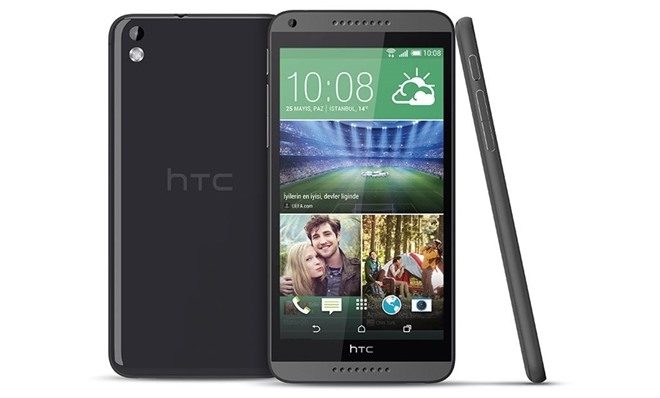
If you’re looking for an HTC Desire 816 review to see if your older mid-range phone still works, this model may be the compromise you need. Designed for those who want a large screen without paying a high price.
The screen is the star here. It has a 5.5-inch display with 720p HD resolution. This size provides a true big screen experience, which makes media consumption and reading comfortable. This is one of the few affordable options in this segment that prioritizes screen real estate.
Inside: Specifications and performance
The internal hardware is mediocre by today’s standards, but durable. The phone works with a Qualcomm 400 processor with a clock frequency of 1.6 GHz. You get four cores to handle your daily tasks. The memory limit is 1.5 GB of RAM.
This combination does not provide high performance. It does not offer the best performance for intensive gaming or intensive multitasking. However, it works in normal use. This usage model is supported by a 2,600 mAh battery. It doesn’t have extreme battery life, but it’s enough for a full day of moderate use. You can expect enough battery life for most daily activities without a charger.
Camera function
In photography, cell phones try to balance quality and cost. The rear camera has a 13 megapixel BSI (Backside Illumination) sensor. This technology helps improve light sensitivity and is a good choice for a device in this price range. There is also face recognition, which makes it easier to open and organize photos.
The front camera is 5 million pixels. It’s good enough for video calls and basic selfies. It doesn’t claim to replace a dedicated camera, but it’s good for the practical role you’d expect from a mid-range device.
Is it still relevant?
HTC Desire 816 occupies a specific niche. Not suitable for advanced users. Not suitable for people looking for the latest technology. It is suitable for people who want a large screen and basic smartphone features while staying within the same budget.
The question is whether you can accept the screen size limitations. If your primary needs are media consumption and basic connectivity, the 5.5-inch HD panel is good value. If you need processing power for modern applications, the 1.5GB RAM limitation will quickly become frustrating.
This device is in the gray area of the market. Too old to compete with the current flagships, yet too capable to be considered junk. It has a special purpose. Whether its purpose suits your needs depends entirely on your priorities. The hardware is outdated. The screen is still its strongest asset. Use it as is, not what it wishes it could be.