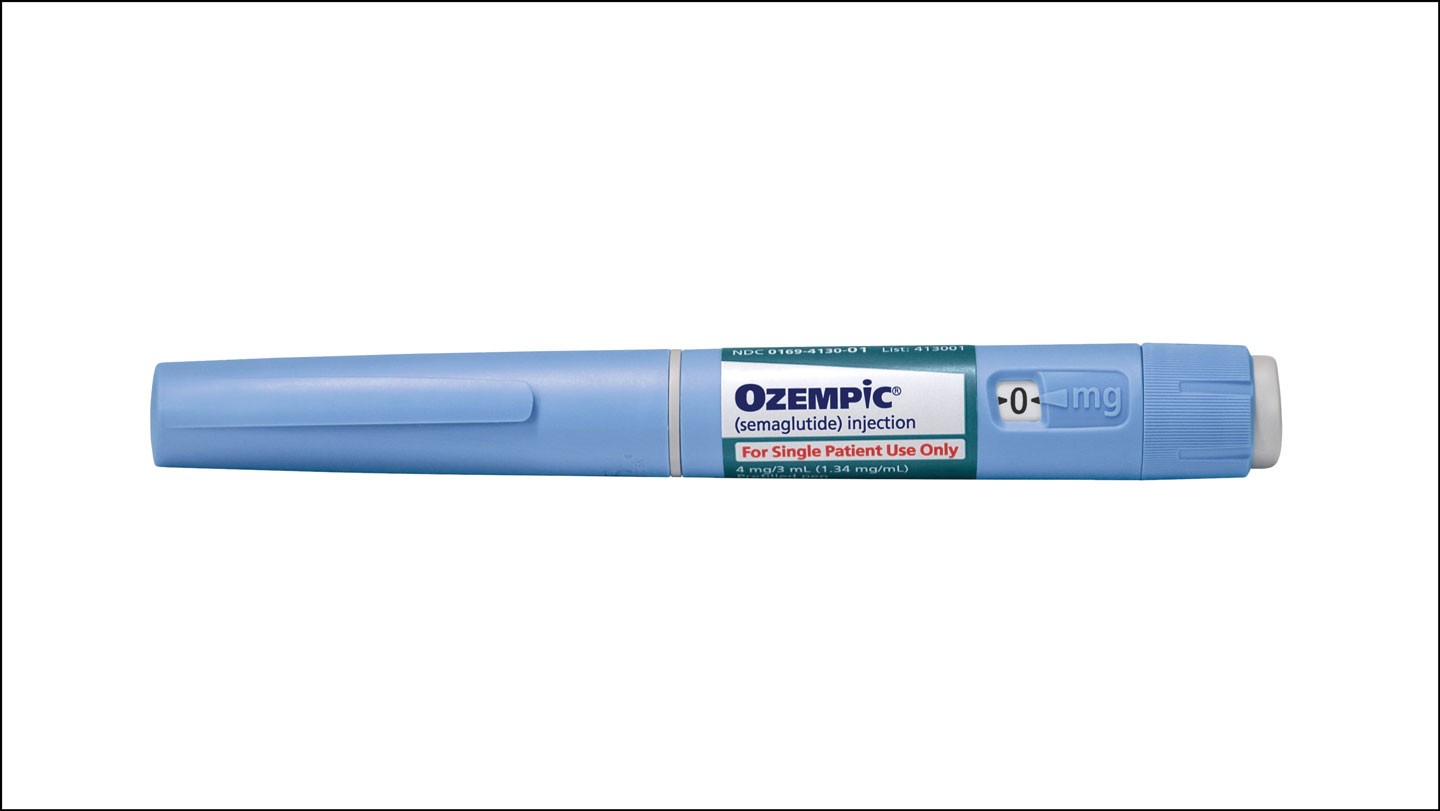
The rise of GLP-1 receptor agonists—drugs such as Ozempic, Wegovy, Mounjaro, and Zepbound—has revolutionized the treatment of obesity and type 2 diabetes. But as millions of patients begin taking these medications for longer periods, a critical question has emerged beyond weight loss and metabolic health: Do these drugs prevent cancer?
The short answer is: We don’t know yet.
While early data offers tantalizing hints of benefit, the scientific consensus remains inconclusive. At the recent American Association for Cancer Research (AACR) meeting in San Diego, experts emphasized that while the potential is promising, the evidence is currently too fragmented to draw definitive conclusions.
Why the Data Is “Messy”
The relationship between GLP-1 drugs and cancer is complex. On one hand, several studies suggest these medications may improve survival rates in cancer patients and reduce the incidence of obesity-related cancers. On the other hand, some research has raised cautious flags, including a potential link to increased kidney cancer risk in certain populations.
“The data are kind of messy,” said Jennifer Ligibel, an oncologist at Dana-Farber Cancer Institute. “GLP-1 drugs have really revolutionized weight loss, but I think it’s still an open question about their effect on cancer.”
Historically, concerns were also raised regarding thyroid cancer in lab animals, though more recent human studies suggest this risk is likely negligible. Despite these mixed signals, experts agree that the current landscape lacks the robust, long-term data necessary to declare GLP-1s as cancer preventatives.
The Promise of Weight Loss and Metabolic Health
Why are researchers hopeful? The connection lies in the biology of obesity. Excess weight is a major driver of cancer risk due to chronic low-level inflammation, immune dysfunction, and elevated levels of hormones like insulin and leptin.
Stephen Hursting, a nutrition and cancer researcher at the University of North Carolina at Chapel Hill, explains that GLP-1 drugs reverse many of these metabolic abnormalities. Since bariatric surgery—which induces significant weight loss—is clearly linked to lower cancer risk, it is logical to assume that drugs achieving similar weight loss outcomes might offer similar protective benefits.
However, there is a key distinction: GLP-1 drugs are not yet proven to prevent cancer. They are proven to treat obesity and diabetes, two conditions that increase cancer risk. Reducing the risk factors is not the same as directly preventing the disease.
Why We Don’t Have a Definitive Answer Yet
Several factors contribute to the current uncertainty:
- Recency of the Drugs: The most potent GLP-1s, such as tirzepatide (Mounjaro/Zepbound), have only been widely available for weight loss for about two and a half years. Cancer development often takes decades, making it impossible to assess long-term preventive effects in such a short window.
- Evolving Formulations: Newer drugs and dosages are constantly entering the market, meaning much of the existing data does not reflect current usage patterns.
- Varied Patient Populations: Studies often differ in their participant demographics, making it difficult to compare results across different research groups.
Addressing Safety Concerns
Some patients worry that GLP-1 drugs might cause cancer. According to the experts interviewed, current evidence does not support widespread alarm.
- Jennifer Ligibel noted that patterns suggesting harm are inconsistent and not backed by strong preliminary data.
- Jiang Bian, a health data scientist at Indiana University, stated he is not worried, noting that he has personally used tirzepatide for two years without concern.
While vigilance is necessary, especially regarding specific cancers like kidney cancer, the overall risk profile does not currently outweigh the established benefits for weight and metabolic management.
The Path Forward: What Do We Need to Know?
To move from speculation to certainty, the scientific community needs better data. Randomized clinical trials are the gold standard, but they are impractical for studying cancer prevention over 20-year periods. Instead, experts advocate for a hybrid approach:
- Real-World Data: Analyzing health outcomes of millions of patients taking these drugs in daily life.
- Targeted Animal Studies: Using lab models to identify which cancers are most responsive to GLP-1 mechanisms.
- Long-Term Monitoring: Tracking patients over longer durations to observe late-stage effects.
Key open questions include whether these drugs reduce the incidence of cancer and, crucially, whether they improve outcomes for people already diagnosed with cancer—a area where data is currently scarce.
Expert Advice for Patients
For those considering or currently taking GLP-1 drugs, experts emphasize that these medications are tools, not magic bullets.
- Lifestyle Remains Critical: Diet quality and physical activity are still essential. GLP-1 drugs can lead to muscle loss if not managed with proper nutrition and exercise.
- Individual Variation: Not everyone responds to these drugs; some patients see minimal weight loss.
- Long-Term Strategy: Understanding when to start and stop these medications is crucial, as weight regain is common after discontinuation.
Conclusion
While GLP-1 drugs offer significant benefits for weight loss and metabolic health, their role in cancer prevention remains unproven. Current data suggests potential promise through the reversal of obesity-related risk factors, but definitive answers require more long-term research. Patients should view these medications as powerful aids for metabolic health while maintaining a holistic approach to wellness.